


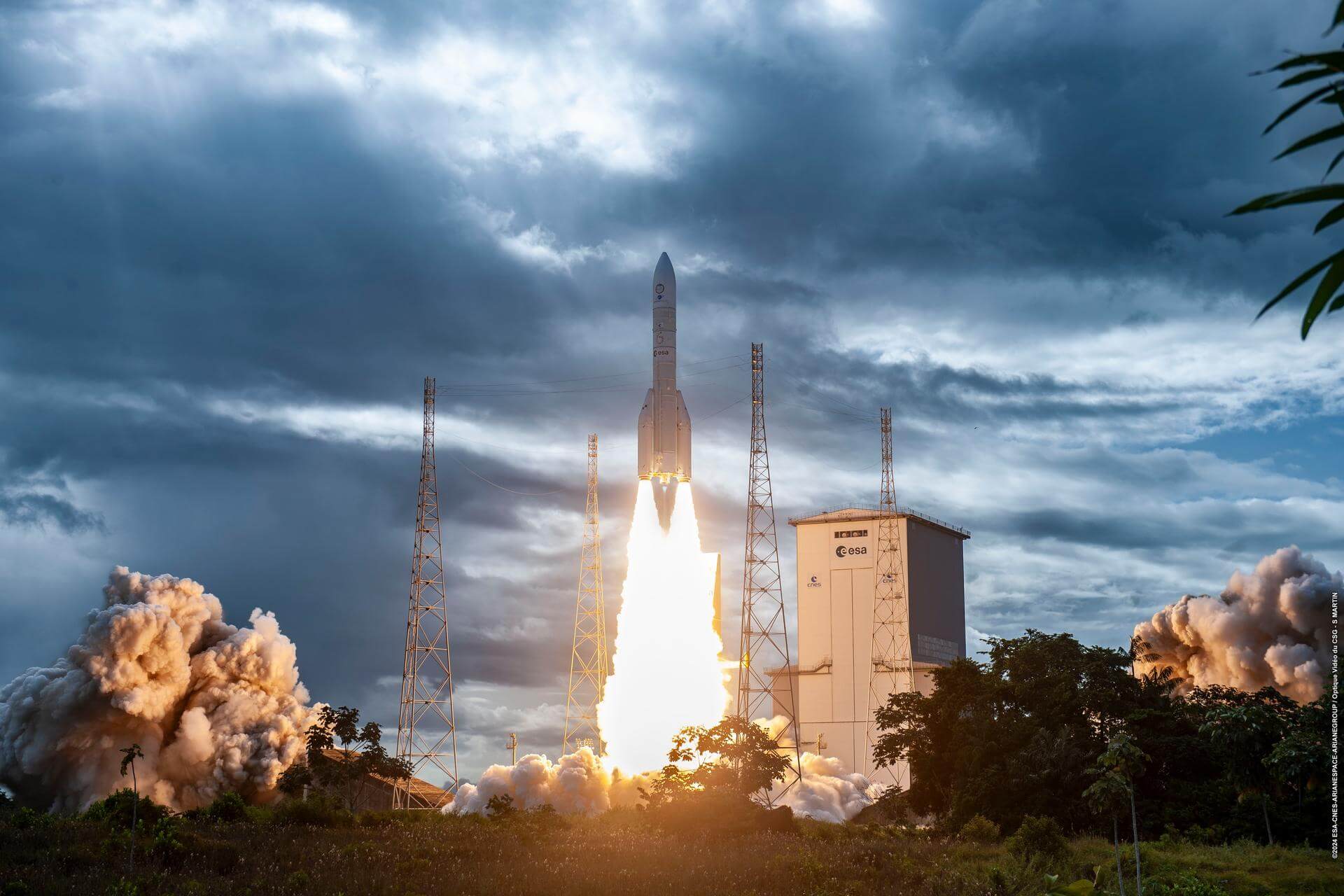
Space Brief 23 Feb 2025
SpaceX launches Starlink satellites from both coasts, while first 3D atmospheric map of an exoplanet reveals extreme weather patterns, and Starlink missions push total count over 8,000 satellites.



Launch Date
Unknown
Launch Site
Unknown
Launch Pad
Unknown
Launch Vehicle
Unknown
NORAD ID
100027
International Designator
2026-160AC
Epoch
Wed, 22 Jul 2026 11:39:40 GMT
Apogee
Calculating...
Perigee
Calculating...
Inclination
70.00°
Right Ascension
4.87°
Eccentricity
Calculating...
Argument of Perigee
279.95°
Period
90.97 min
Mean Motion
15.83 rev/day
Latitude
Calculating...
Longitude
Calculating...
Altitude
Calculating...
Velocity
Calculating...
Name
STARLINK-38094
Alternative Name
N/A
Type
Status
Owner
Unknown
Country
N/A
Constellation
N/A
Related Satellites
Major Events
N/A
1 A0027U 26160AC 26203.48588876 -.00842219 00000+0 -43306-2 0 9996
2 A0027 70.0027 4.8718 0005336 279.9546 80.1054 15.82970260 2543
Source: Celestrak
Length
N/A
Diameter
N/A
Span
N/A
Dry Mass
N/A
Launch Mass
N/A
Shape
N/A
Radar Cross Section
Unknown
Visual Magnitude
Unknown
Color
Unknown
Material Composition
Unknown
Payload
Unknown
Purpose
Unknown
Mission
Unknown
Manufacturer
Unknown
Life Expectancy
Unknown
Bus
Unknown
Configuration
Unknown
Motor
Unknown
Equipment
Unknown
Power System
Unknown
ADCS
Unknown
Transmitter Frequency
Unknown
Learn more about satellites and other related topics.
SpaceX launches Starlink satellites from both coasts, while first 3D atmospheric map of an exoplanet reveals extreme weather patterns, and Starlink missions push total count over 8,000 satellites.
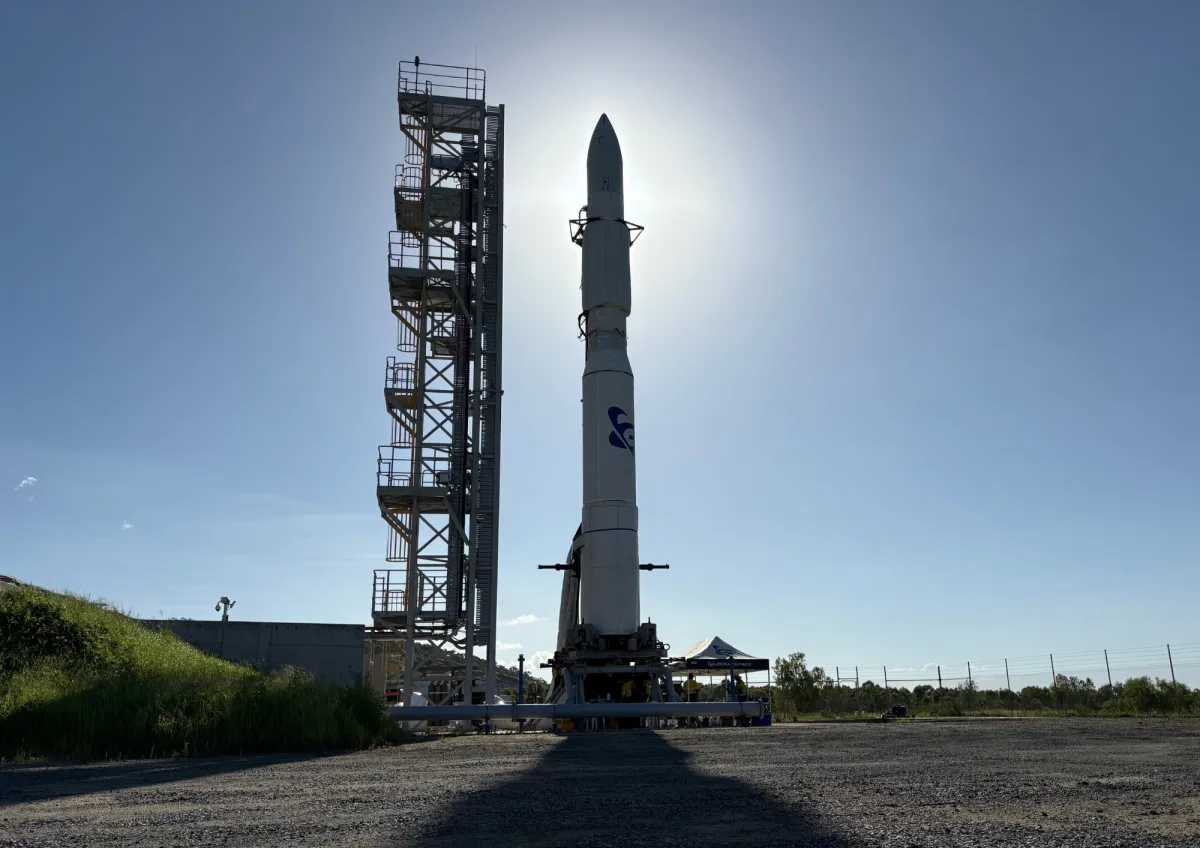
Today's brief highlights the US Space Force's new space conflict doctrine, Ukraine's search for Starlink alternatives, and updates on regional military activities affecting space dynamics.
Today's brief covers a Pentagon review of satellite launch options, Kongsberg's completed maritime satellite network, York's new satellite launch, DARPA's project cancellation, and more.
Today's highlights include new satellite launches by SpaceX, technical hiccups for an Indian navigation satellite, and insights into the future of satellite servicing.
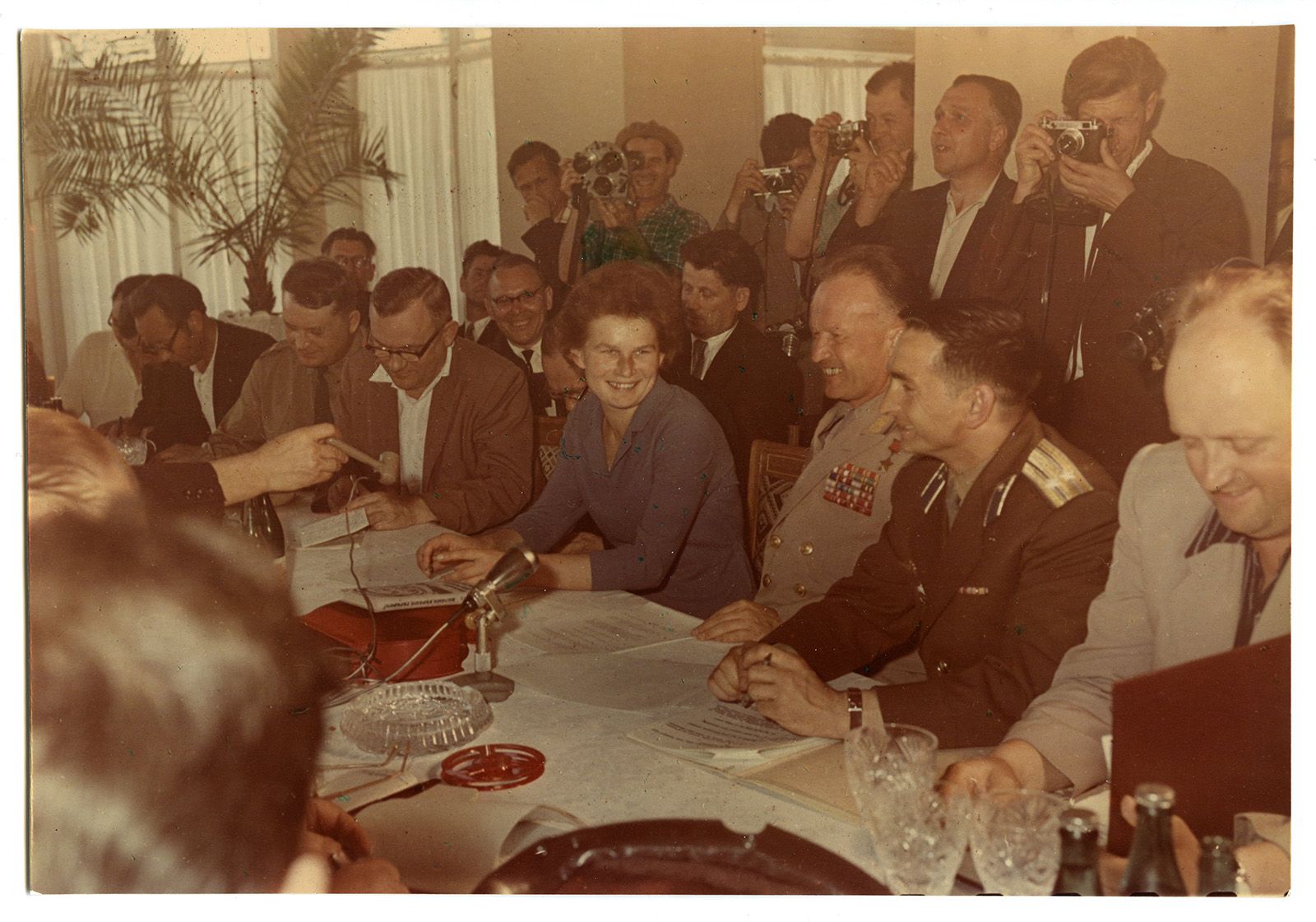
On 16 June 1963, a 26-year-old former textile worker named Valentina Tereshkova launched aboard Vostok 6 and spent nearly three days alone in orbit. She flew 48 times around the Earth, longer than every American astronaut combined, and spotted a dangerous flaw in her descent program that ground controllers had missed.

Exploring new defense agreements with Eutelsat, advances in U.S. Space Force projects, and updates on NATO's strategic discussions.
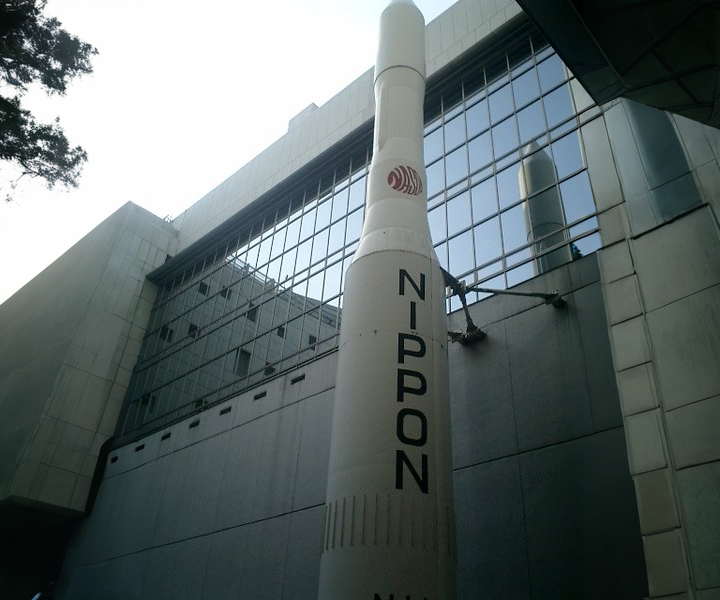
Forty-eight years ago, a pioneering satellite named Kiku 2 propelled Japan into the exclusive group of nations capable of operating satellites in geostationary orbit
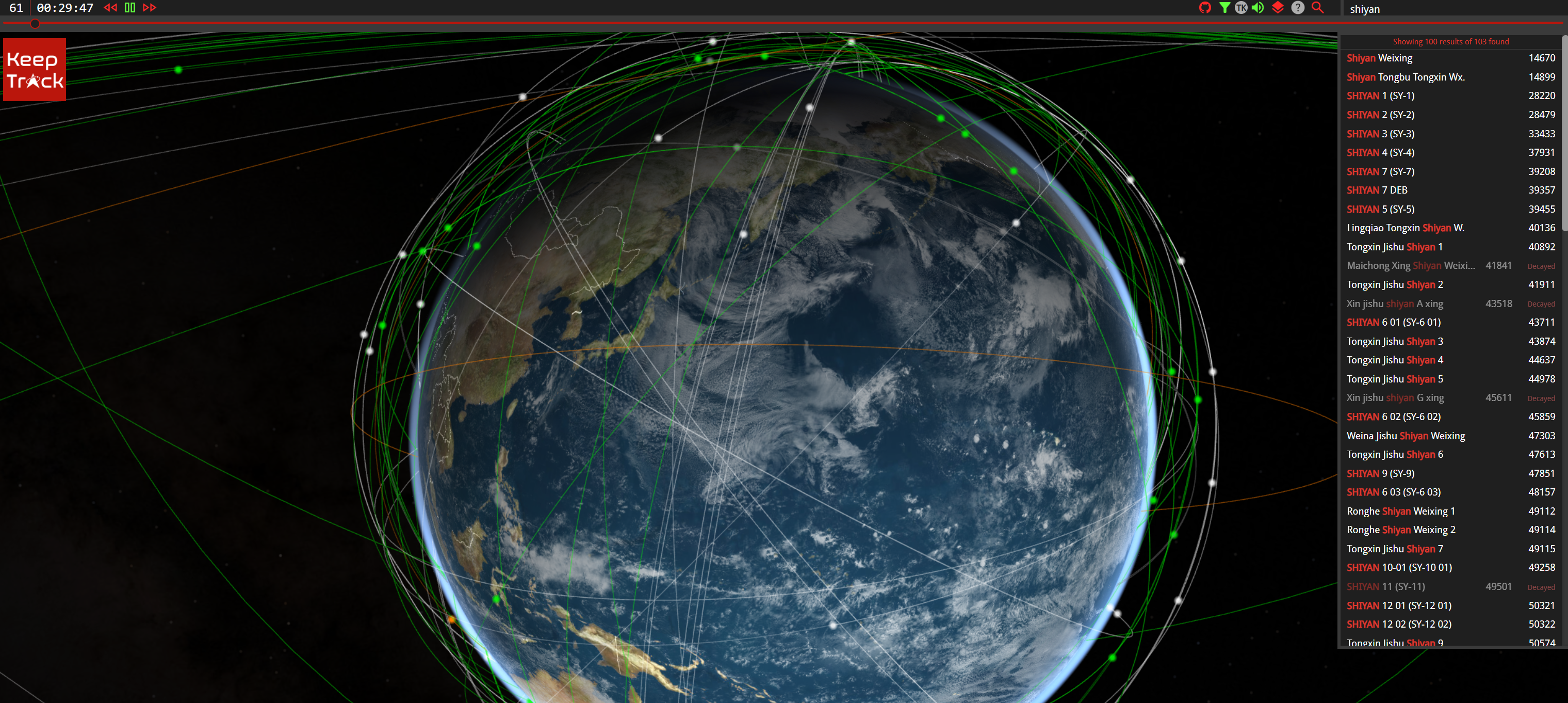
The master ledger of everything orbiting Earth: how tens of thousands of satellites, rocket bodies, and debris fragments are tracked and numbered