

X Report 18 Aug 2025
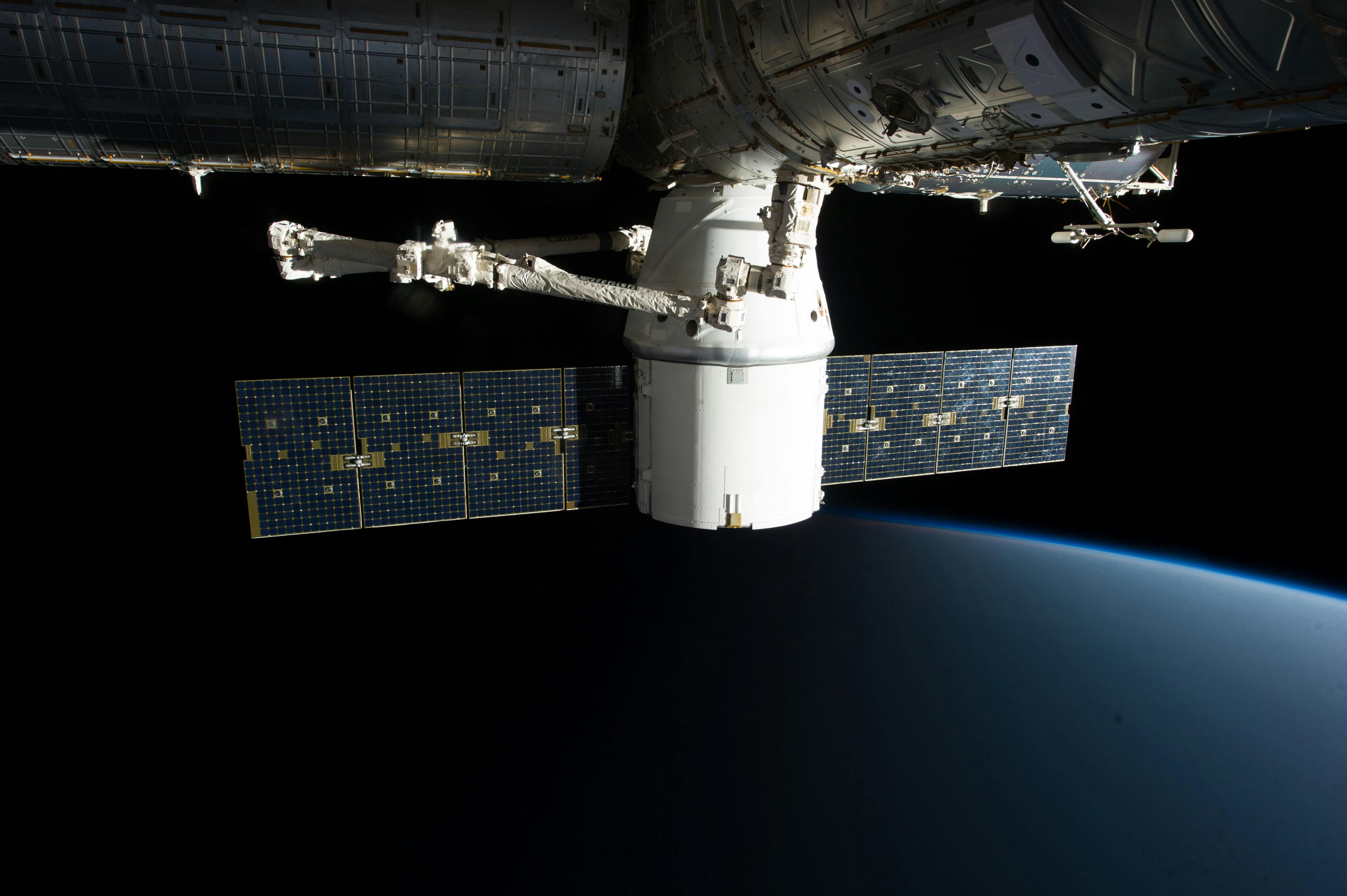
SpaceX's 100th Falcon 9 mission successfully launched 24 Starlink satellites, continuing to expand its broadband constellation.



Launch Date
April 30, 1976
Launch Site
AFWTR
Launch Pad
Unknown
Launch Vehicle
Unknown
NORAD ID
09996
International Designator
N/A
Decay Date
Unknown
Name
OPS 6431 DEB
Alternative Name
deb USN satellite
Type
Status
Owner
Naval Research Laboratory
Country
United States
Constellation
N/A
Related Satellites
Major Events
N/A
Length
0
Diameter
0
Span
0
Dry Mass
0
Launch Mass
0
Shape
N/A
Radar Cross Section
Unknown
Visual Magnitude
Unknown
Color
Unknown
Material Composition
Unknown
Payload
Unknown
Purpose
Unknown
Mission
Unknown
Manufacturer
Unknown
Life Expectancy
Unknown
Bus
Unknown
Configuration
Unknown
Motor
Unknown
Equipment
Unknown
Power System
Unknown
ADCS
Unknown
Transmitter Frequency
Unknown
Learn more about satellites and other related topics.
SpaceX's 100th Falcon 9 mission successfully launched 24 Starlink satellites, continuing to expand its broadband constellation.

SpaceX stock surged 19% on its Nasdaq debut as Musk targets $1 trillion revenue by 2030. Starlink 17-54 marks the 1,500th satellite launched in 2026.

Today's Space Brief covers the landing of the X-37B spaceplane after a 434-day mission, the postponement of SDA's satellite launch, and the fiery debris from SpaceX's Starship over The Bahamas.

Today's briefing covers SpaceX's ambitious launch and temporary setback with their Super Heavy booster, adjustments in South African telecommunications laws influenced by Starlink, and the U.S. Navy's strategic shifts amidst changes in unmanned combatant acquisitions.
Discover the latest developments in hypersonic missile production, defense innovation strategies, and satellite infrastructure resilience impacting military operations.
Today's Space Brief covers potential changes in the procurement strategies for the Space Force, developments in missile detection technology, and budgetary impacts on space programs.

Today's Space Brief covers a notable satellite deployment in LEO, a leadership shift in Blue Origin's defense wing, and ongoing recovery efforts for NASA's MAVEN orbiter.
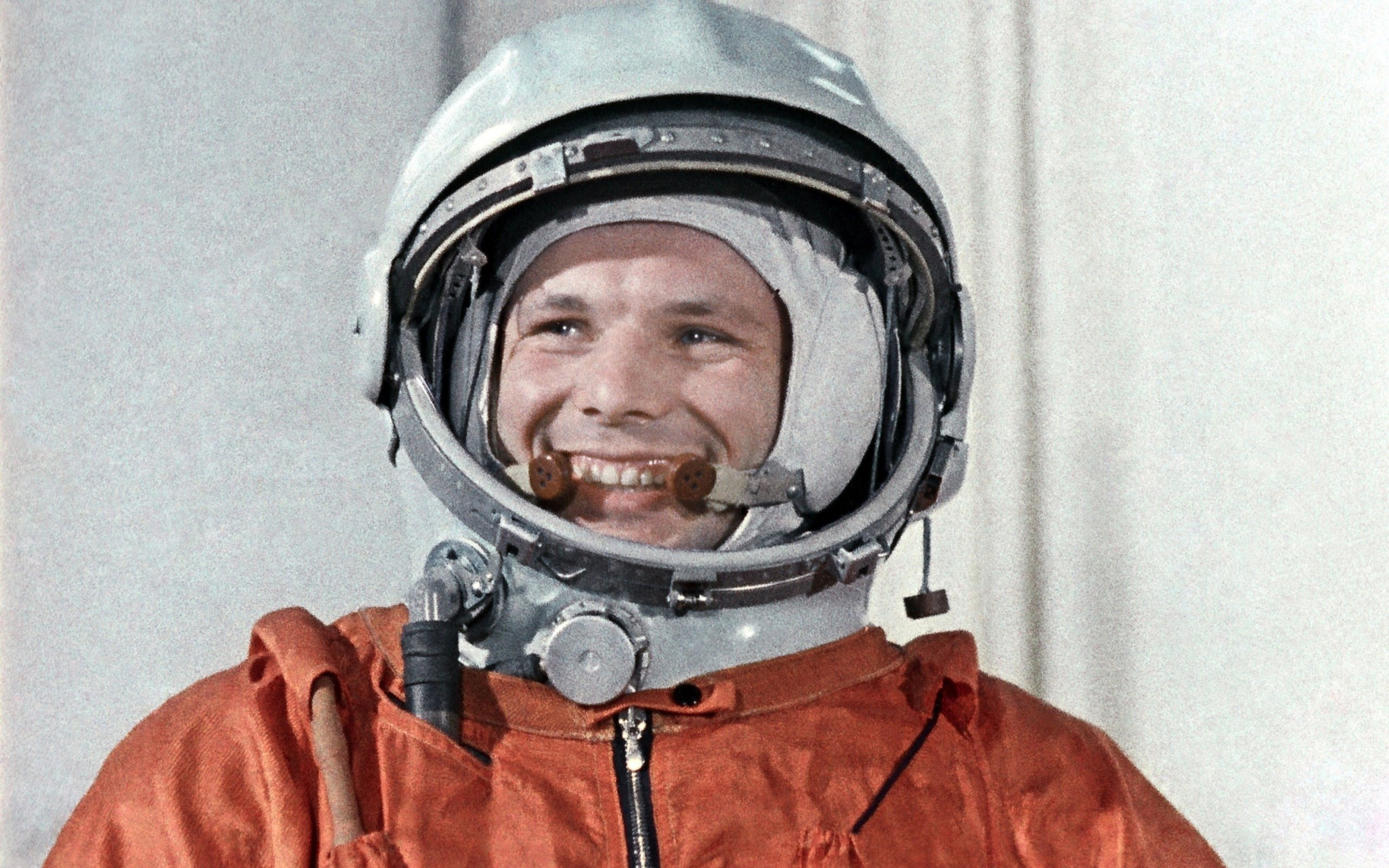
On April 12, 1961, a 27-year-old Soviet pilot rode a modified ICBM into orbit and came back alive after 108 minutes. Exactly twenty years later, two Americans climbed aboard an untested spacecraft covered in 31,000 ceramic tiles and bet their lives that the math was right.