


X Report 1 Dec 2024
SpaceX continues its collaboration with the NRO, while gearing up for lunar missions and a contract for NASA's Dragonfly mission to Titan.


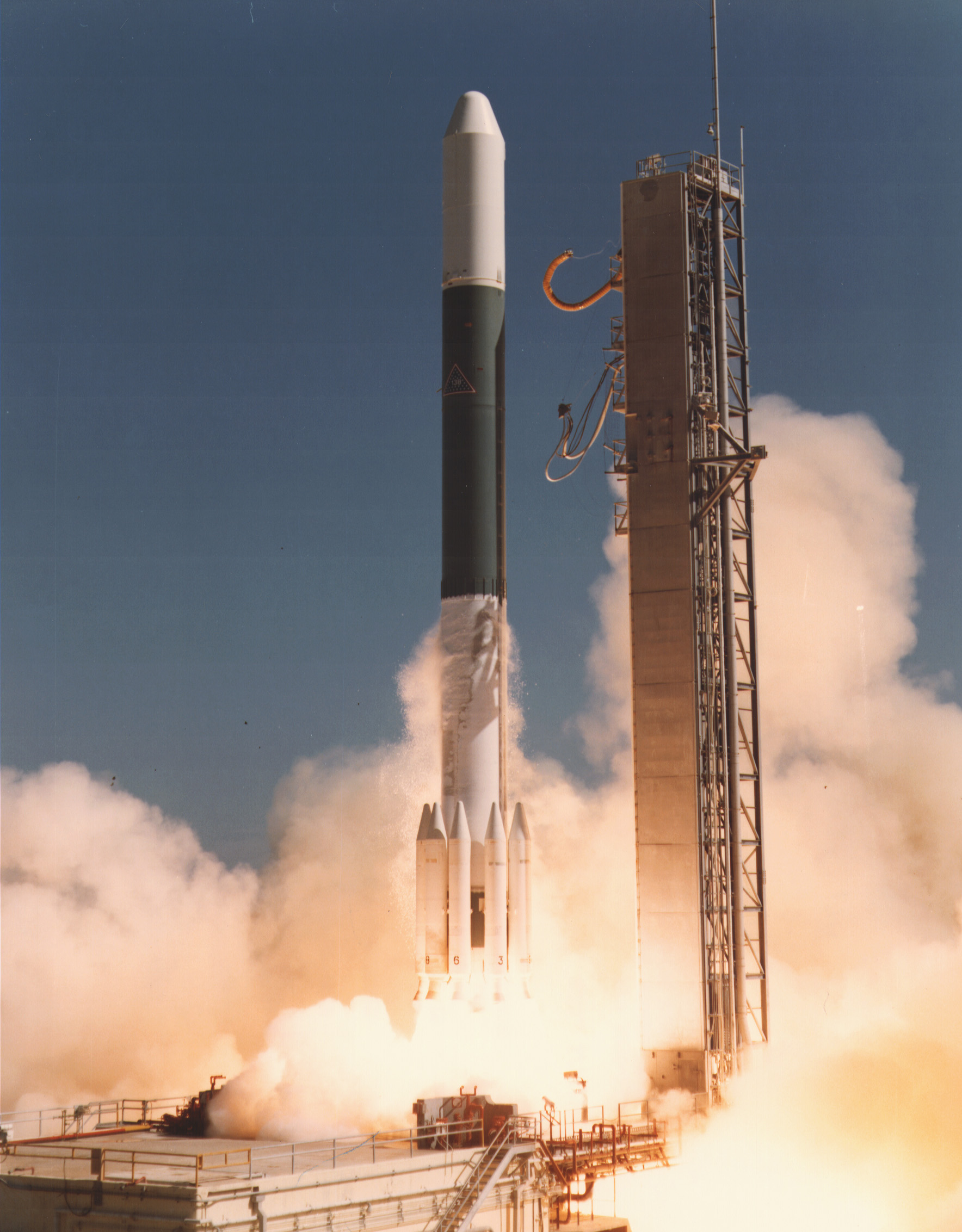
Launch Date
July 8, 1976
Launch Site
Launch Pad
LC17A
Launch Vehicle
Delta 2914
NORAD ID
09009
International Designator
1976-066A
Epoch
Sun, 19 Jul 2026 23:18:52 GMT
Apogee
Calculating...
Perigee
Calculating...
Inclination
7.82°
Right Ascension
304.82°
Eccentricity
Calculating...
Argument of Perigee
228.00°
Period
1438.64 min
Mean Motion
1.00 rev/day
Latitude
Calculating...
Longitude
Calculating...
Altitude
Calculating...
Velocity
Calculating...
Name
PALAPA 1
Alternative Name
Palapa A1
Type
Status
Owner
PER
Country
Indonesia
Constellation
N/A
Related Satellites
Major Events
N/A
1 09009U 76066A 26200.97143851 .00000111 00000+0 00000+0 0 9992
2 09009 7.8240 304.8219 0004307 227.9951 138.5391 01.00094464128275
Source: Celestrak
Apologies, there is no summary for this satellite yet. I am working to generate these for every object in the catalog, but it is going to take time.
Length
1.6
Diameter
2.2
Span
3.7
Dry Mass
208
Launch Mass
282
Shape
Cyl + Dish
Radar Cross Section
5.072
Visual Magnitude
Unknown
Color
Unknown
Material Composition
Unknown
Payload
Palapa A1
Purpose
Communication
Mission
Communication
Manufacturer
HSES
Life Expectancy
7 years
Bus
HS-333
Configuration
HS-333D
Motor
FW5
Equipment
12 C-band transponders
Power System
Solar cells (body mounted), batteries
ADCS
Unknown
Transmitter Frequency
Unknown
Learn more about satellites and other related topics.
SpaceX continues its collaboration with the NRO, while gearing up for lunar missions and a contract for NASA's Dragonfly mission to Titan.

Today's briefing covers Rocket Lab's plans following a record-breaking year, efforts to recover NASA's MAVEN orbiter, and the potential relocation of space shuttle Discovery.

Today's update highlights Boeing's challenges with the Starliner, Europe's IRIS2 constellation advancement, China's CAS Space's global ambitions, and vivid new telescope images of cosmic events.
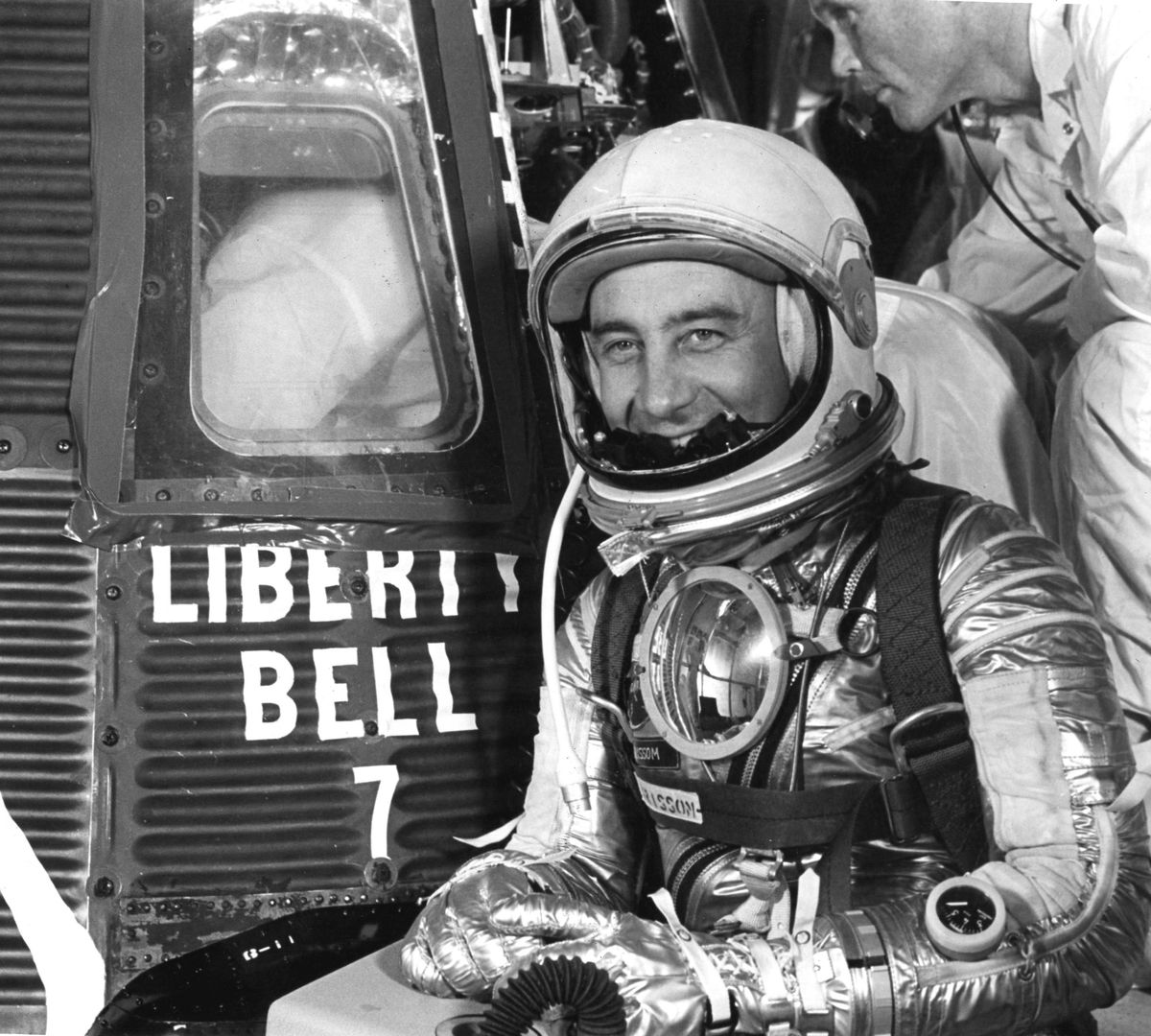
Sixty-four years ago, NASA made a decision that would shape the future of human spaceflight by selecting three astronauts to compete for America's first journey into space
Astroscale selects Isar Aerospace to launch ELSA-M, a commercial deorbit mission targeting defunct satellites in LEO. Over 20,000 trackable debris objects now in orbit.
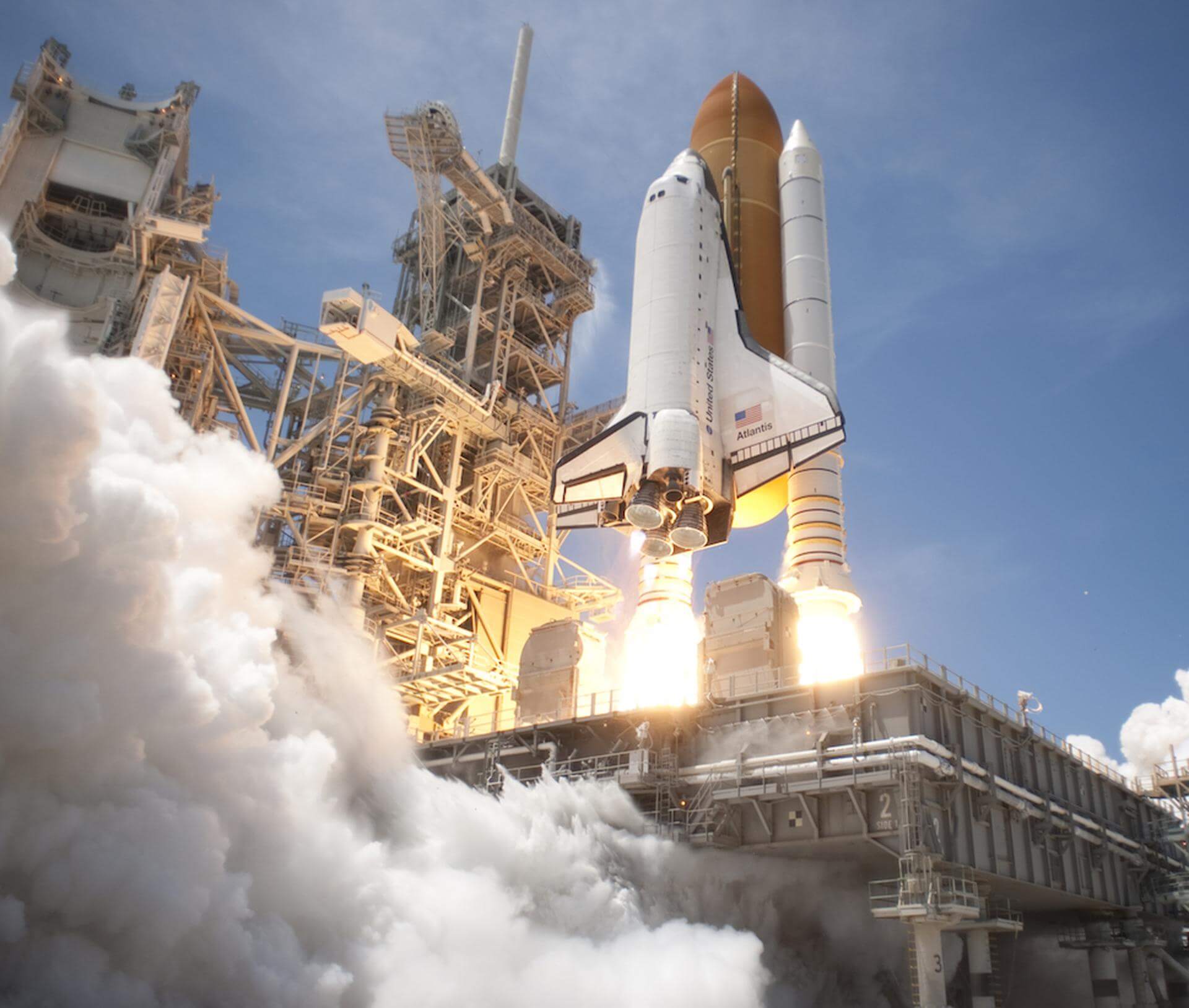
Rocket Lab to acquire Iridium's 66-satellite LEO constellation for end-to-end vertical integration. Deal includes spacecraft manufacturing, launch, and on-orbit operations control.
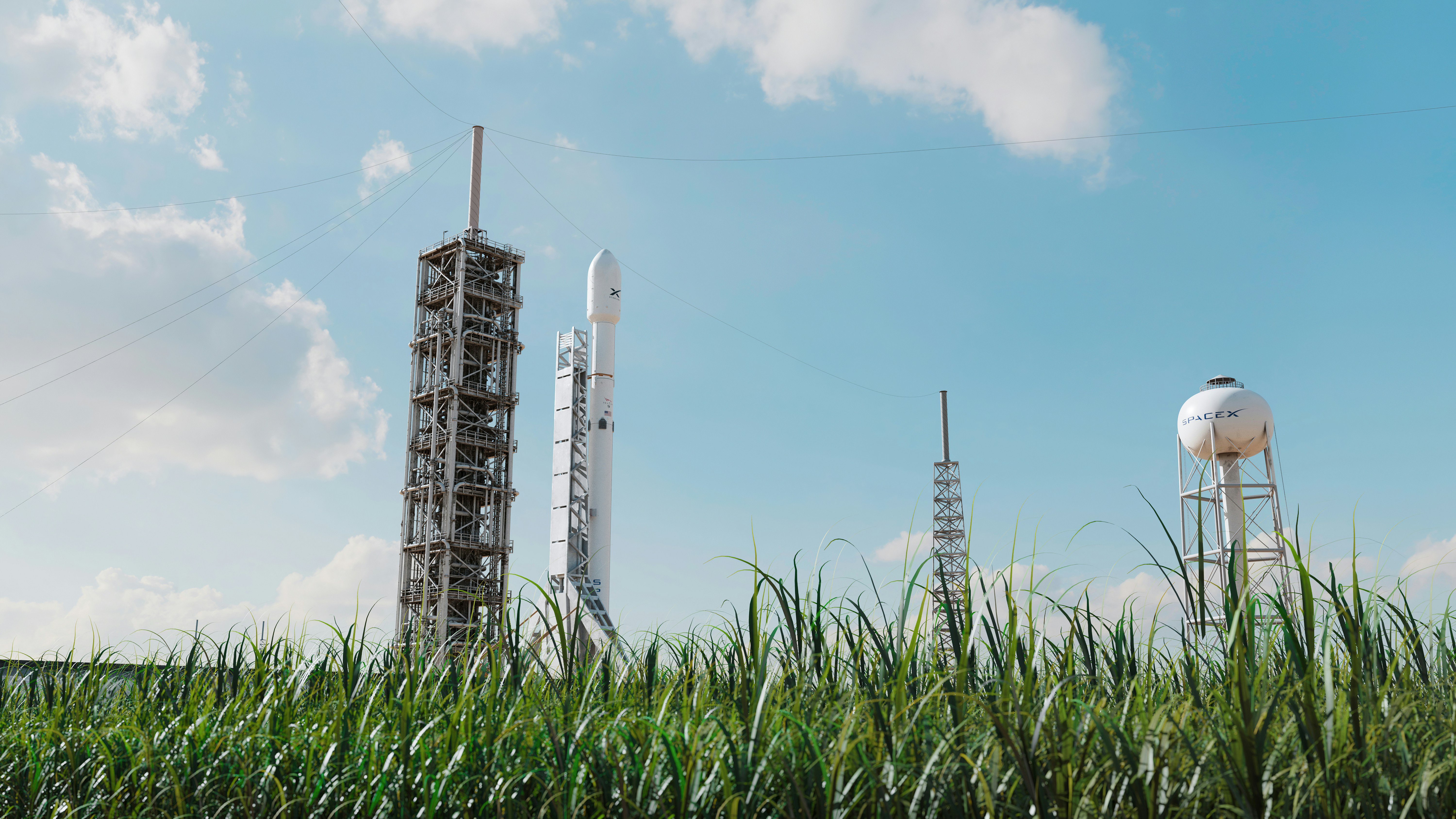
SpaceX embraces community support during Hurricane Melissa while advancing its Starbase infrastructure and launching more Starlink satellites.
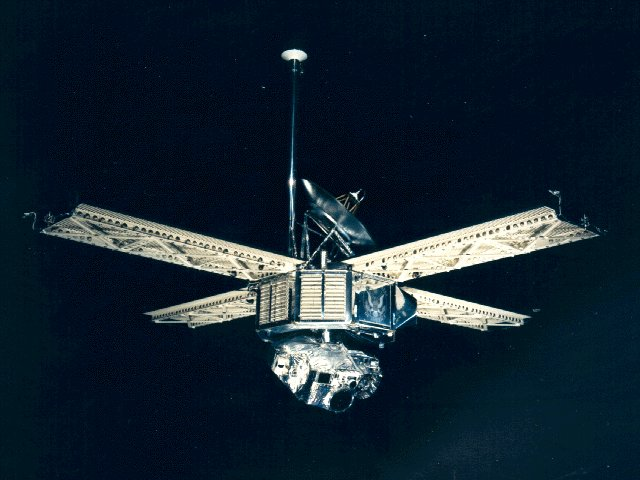
Fifty-six years ago, a revolutionary spacecraft launched toward the Red Planet after being saved from disaster by two quick-thinking technicians who risked their lives to prevent a rocket collapse