


Space Brief 6 Dec 2025
Discover the latest developments in hypersonic missile production, defense innovation strategies, and satellite infrastructure resilience impacting military operations.



Launch Date
May 22, 1976
Launch Site
AFWTR
Launch Pad
SLC5
Launch Vehicle
Scout B-1
NORAD ID
08868
International Designator
1976-047D
Epoch
Sat, 18 Jul 2026 21:41:52 GMT
Apogee
Calculating...
Perigee
Calculating...
Inclination
100.07°
Right Ascension
345.57°
Eccentricity
Calculating...
Argument of Perigee
190.69°
Period
104.22 min
Mean Motion
13.82 rev/day
Latitude
Calculating...
Longitude
Calculating...
Altitude
Calculating...
Velocity
Calculating...
Name
SCOUT B-1 DEB
Alternative Name
P76-5 despin weight
Type
Status
Owner
STP
Country
United States
Constellation
N/A
Related Satellites
Major Events
N/A
1 08868U 76047D 26199.90407978 .00000074 00000+0 11559-3 0 9999
2 08868 100.0699 345.5707 0049844 190.6914 301.1149 13.81707827521929
Source: Celestrak
Length
0
Diameter
0
Span
0
Dry Mass
0
Launch Mass
0
Shape
N/A
Radar Cross Section
0.046
Visual Magnitude
Unknown
Color
Unknown
Material Composition
Unknown
Payload
Unknown
Purpose
Unknown
Mission
Unknown
Manufacturer
Unknown
Life Expectancy
Unknown
Bus
Unknown
Configuration
Unknown
Motor
Unknown
Equipment
Unknown
Power System
Unknown
ADCS
Unknown
Transmitter Frequency
Unknown
Learn more about satellites and other related topics.
Discover the latest developments in hypersonic missile production, defense innovation strategies, and satellite infrastructure resilience impacting military operations.

Today's brief highlights significant advancements in satellite launches, new defense contracts, and technological integrations between major firms in the space sector.
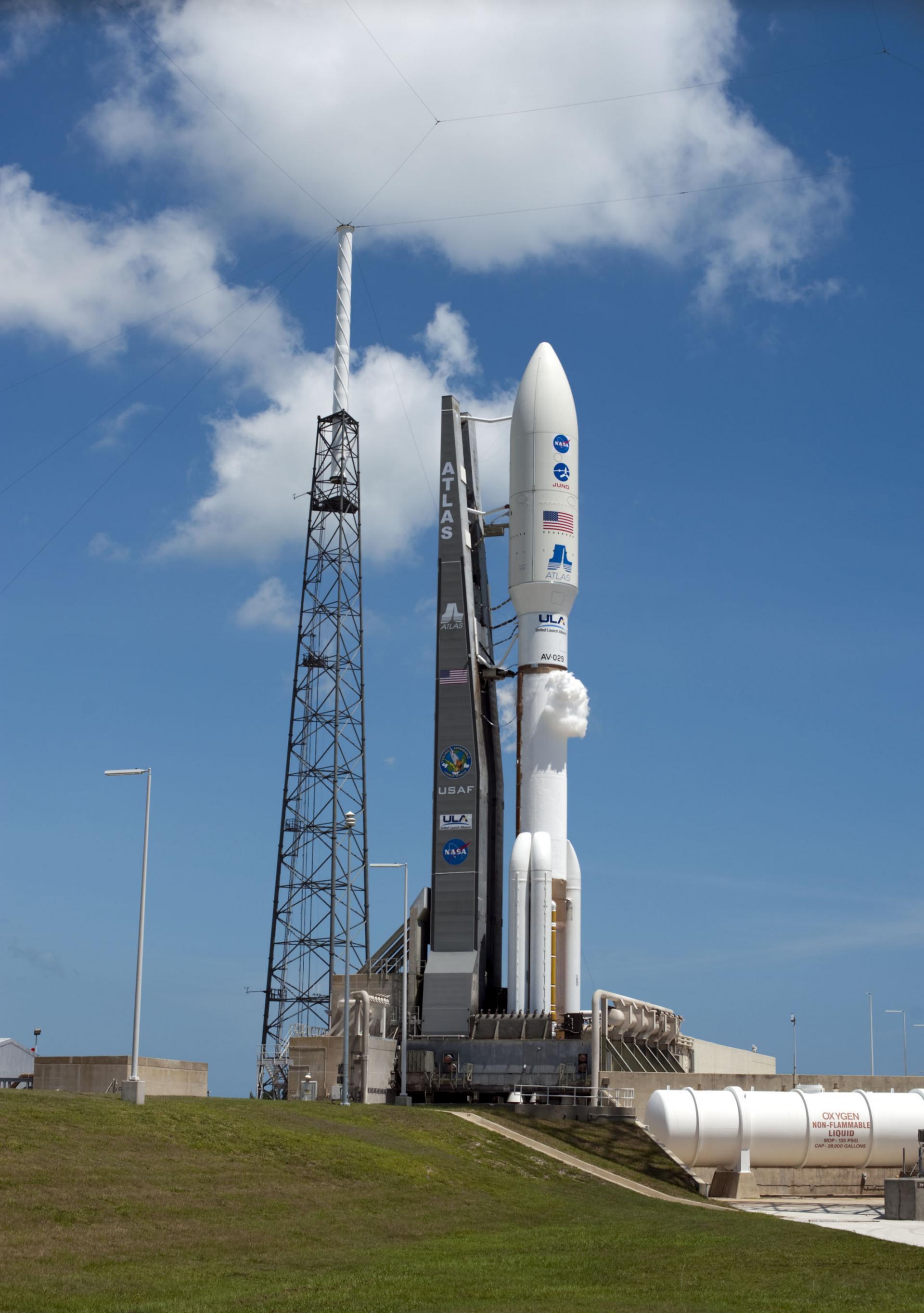
Today's highlights include SpaceX's new rocket-reuse record with a spy satellite launch, Space Force's funding strategies, and a European defense summit addressing security concerns.
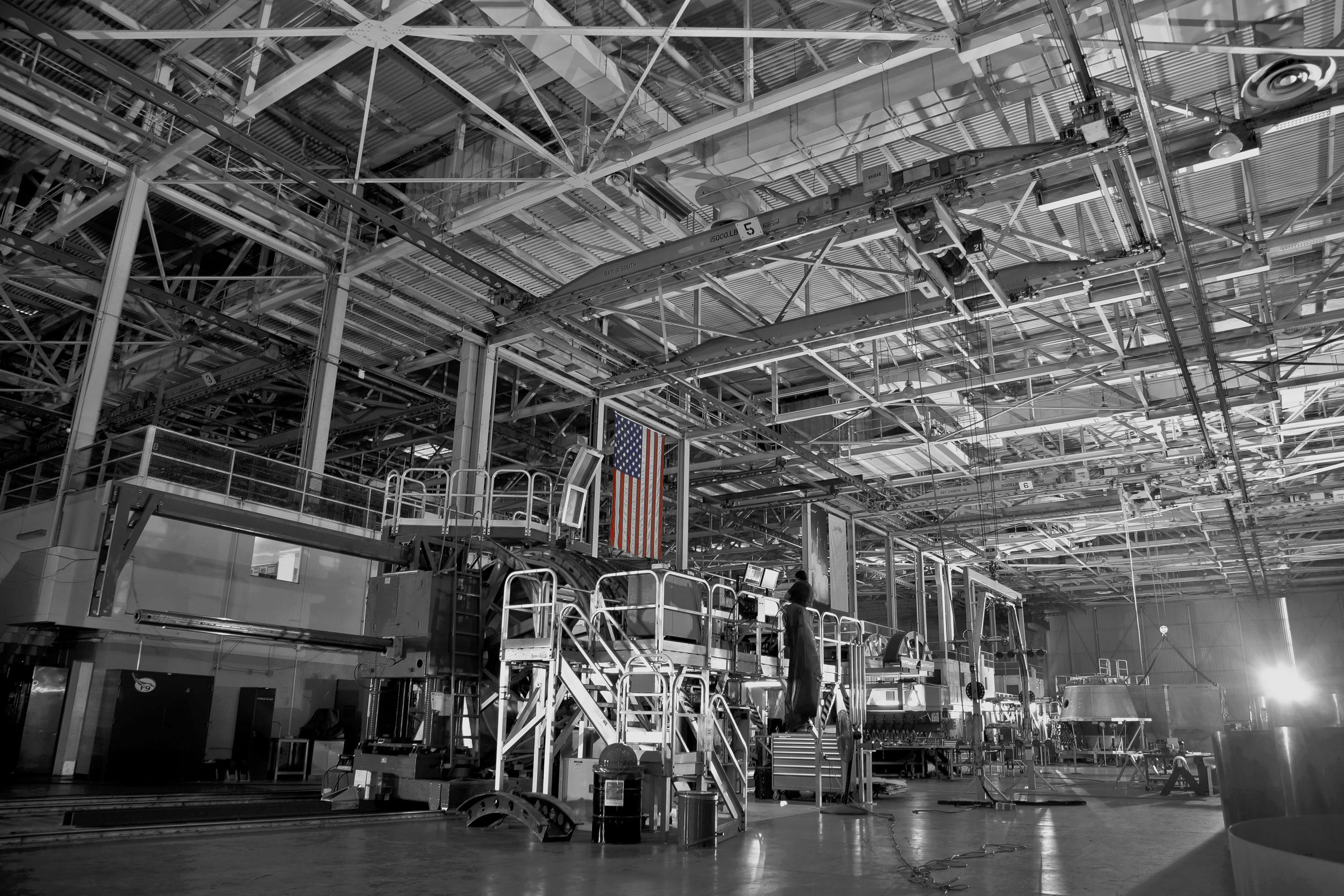
SpaceX reveals plans for Florida Starship launches, NASA teams up for dual missions, and FCC boosts satellite connectivity.
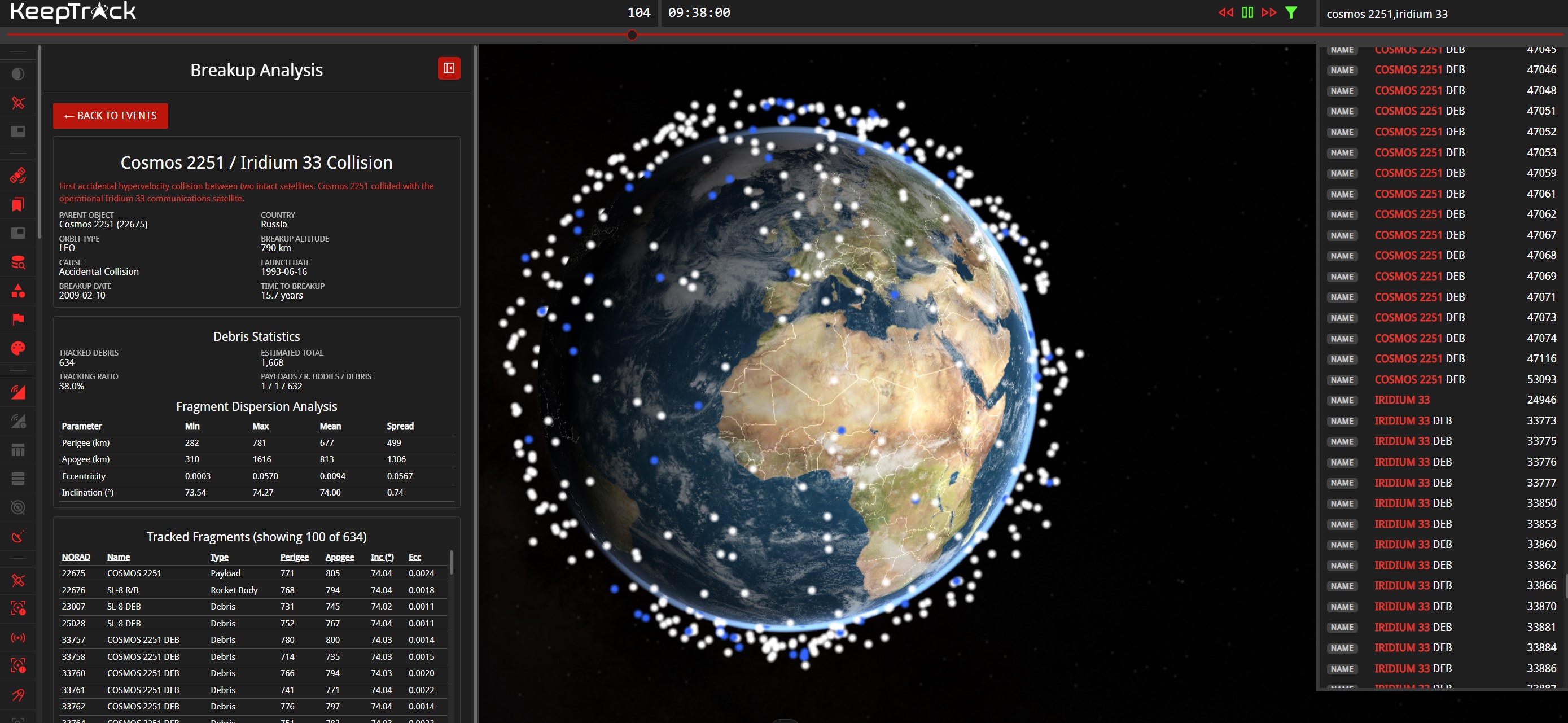
On February 10, 2009, an active Iridium communications satellite and a derelict Soviet military spacecraft slammed into each other 789 kilometers above Siberia. The collision produced more than 2,300 pieces of trackable debris that are still up there. Seventeen years later, the Iridium-Cosmos collision remains the event that made space debris a policy problem the world could no longer ignore.
Today's coverage includes China's recent satellite launch, the Space Force's challenges with current tracking capabilities, and advancements in nuclear propulsion from Ohio State.
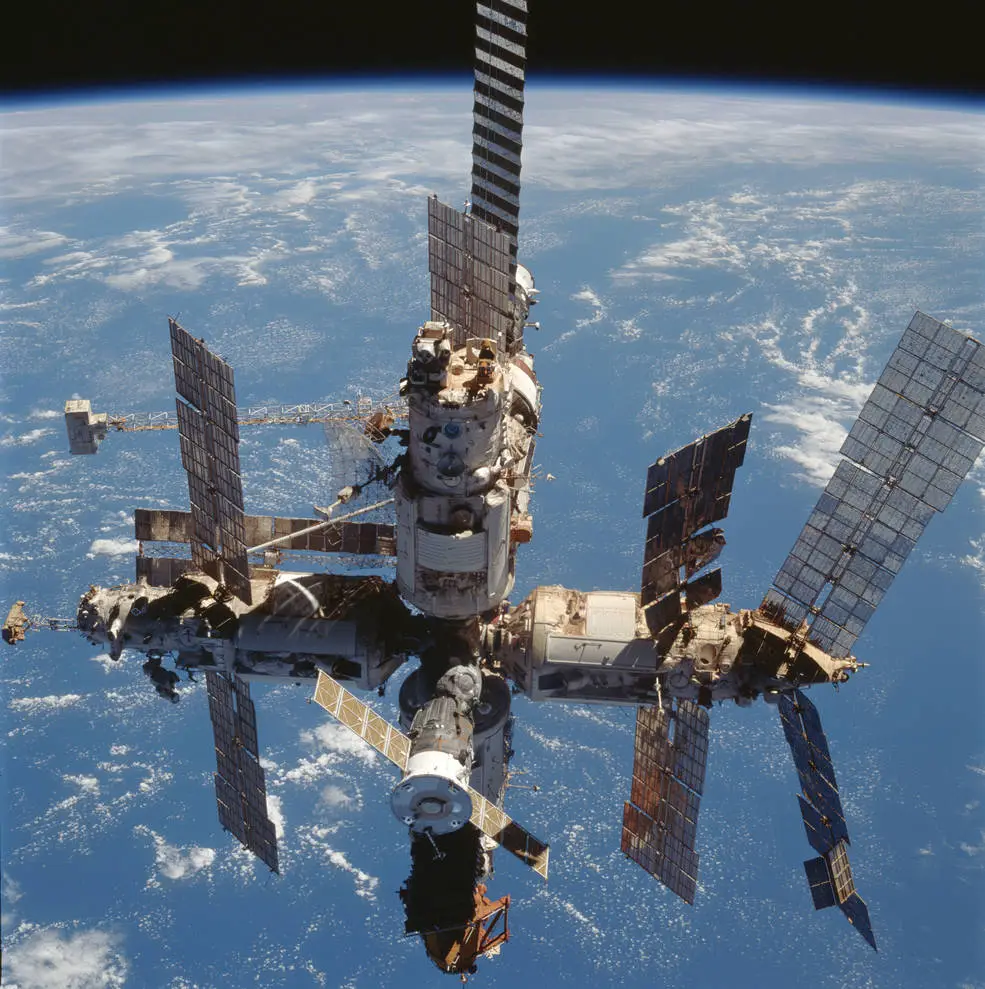
Thirty-nine years ago, a Proton rocket carried the core of the Mir space station into orbit, launching an unprecedented era of continuous human presence in space and international cooperation
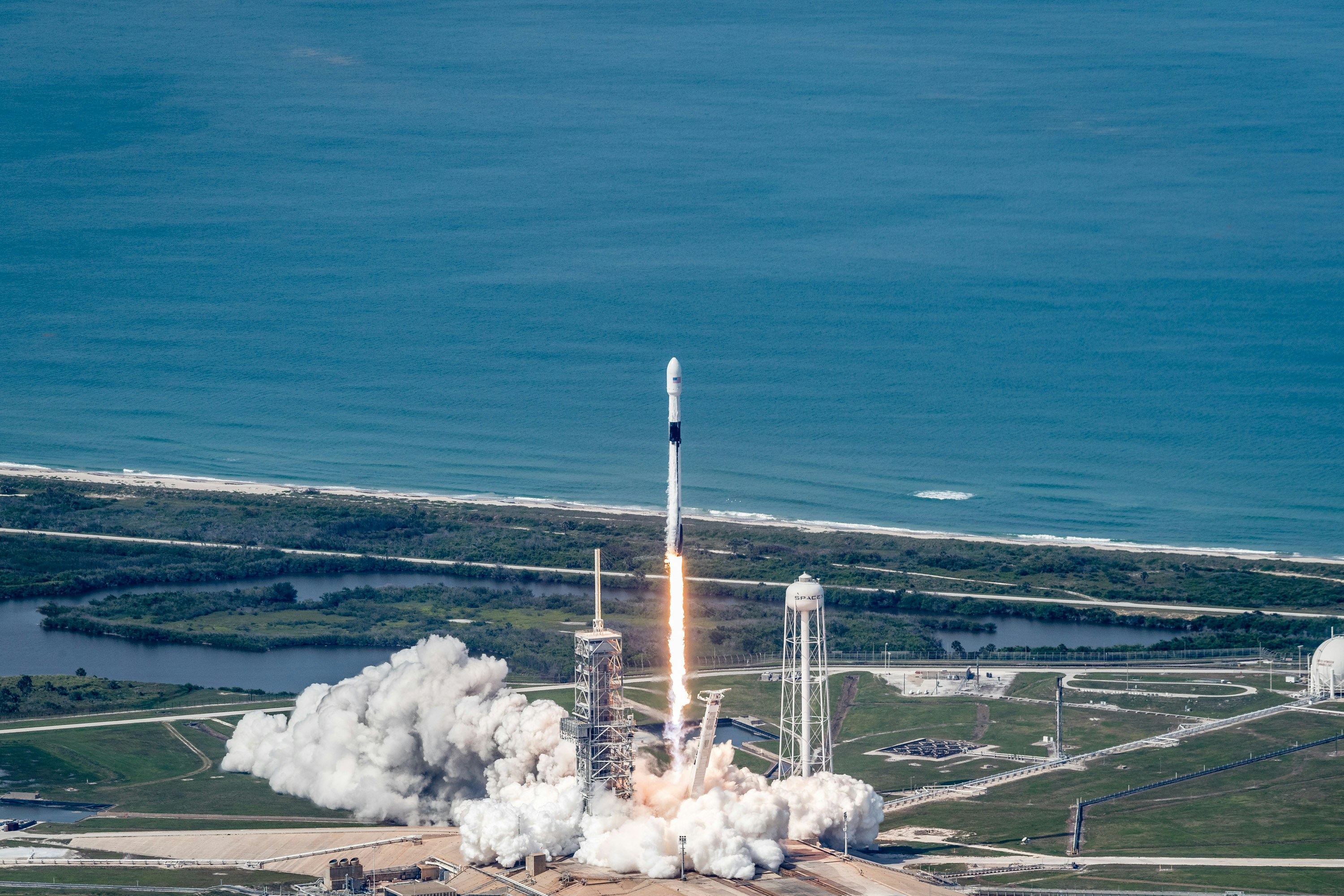
SpaceX continues to make strides in satellite deployment with a successful launch. The European Space Agency's new satellite enhances global atmospheric forecasting, showcasing the expanding role of launches in improving environmental monitoring.