


X Report 30 May 2025
SpaceX embarks on another milestone as it prepares to launch an advanced GPS satellite for the U.S. Space Force today, aiming for a record 170 launches this year.


Launch Date
December 4, 1975
Launch Site
AFWTR
Launch Pad
SLC4E
Launch Vehicle
Titan IIID
NORAD ID
08469
International Designator
1975-114C
Decay Date
12/6/1975
Name
TITAN 3D R/B
Alternative Name
Titan 23D-13 Stage 2
Type
Status
Owner
SAMSO
Country
United States
Constellation
N/A
Related Satellites
Major Events
N/A
Length
7.9
Diameter
3
Span
7.9
Dry Mass
2650
Launch Mass
2650
Shape
Cyl
Radar Cross Section
Unknown
Visual Magnitude
Unknown
Color
Unknown
Material Composition
Unknown
Payload
LR91AJ11 23D-13
Purpose
Unknown
Mission
Unknown
Manufacturer
MM
Life Expectancy
Unknown
Bus
Titan Stage 2
Configuration
Unknown
Motor
Unknown
Equipment
Unknown
Power System
Unknown
ADCS
Unknown
Transmitter Frequency
Unknown
Learn more about satellites and other related topics.
SpaceX embarks on another milestone as it prepares to launch an advanced GPS satellite for the U.S. Space Force today, aiming for a record 170 launches this year.
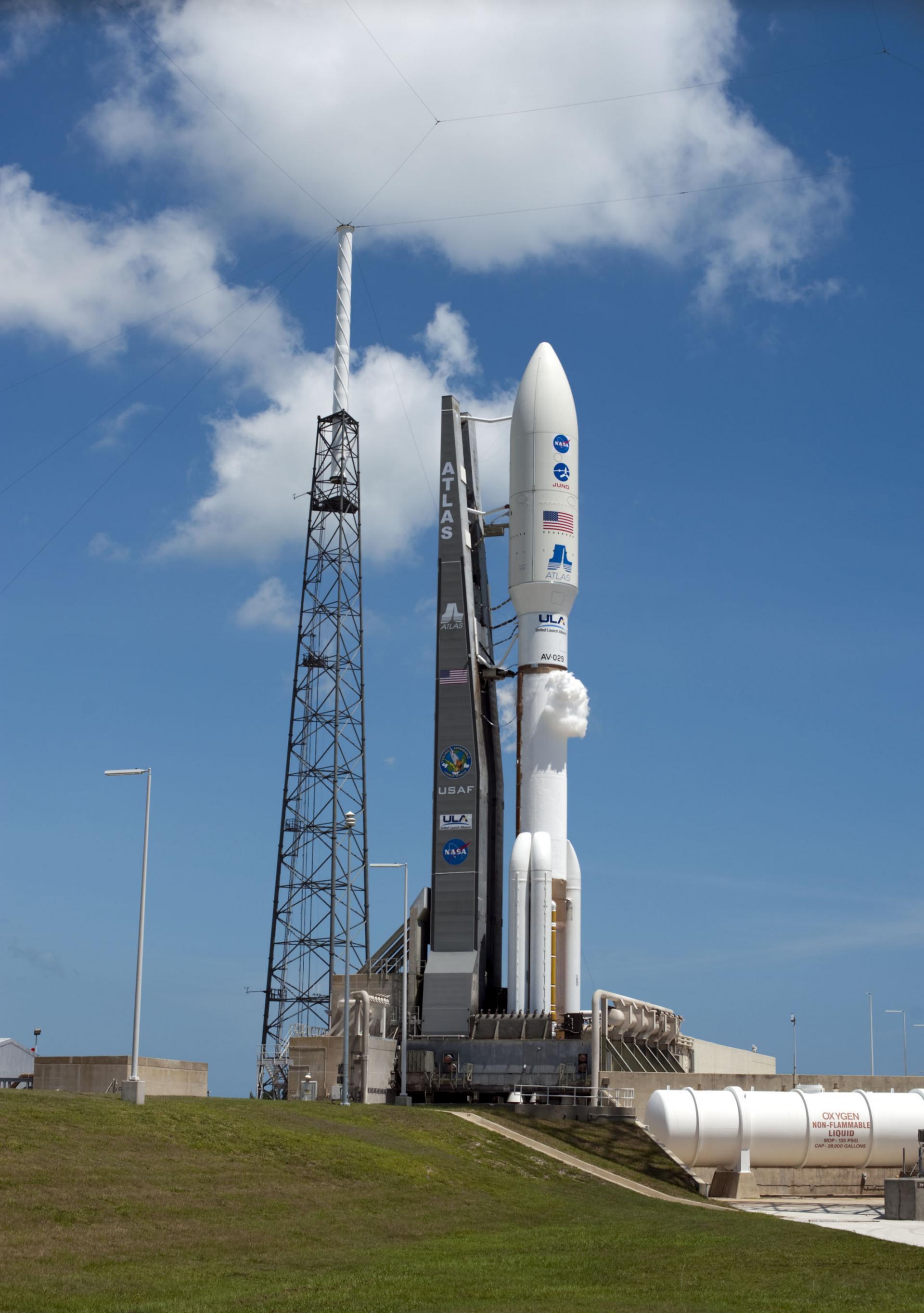
Today's brief covers the redeployment of decommissioned missile technologies to orbital duties, Germany's plans for a sovereign communications network, and fresh developments in hypersonic testing through Rocket Lab.

SpaceX's Starship gains military attention, a feather-light achievement, and a busy week for Falcon 9.

Today's headlines include new launch schedules, military industrial base challenges, and NASA's exploration of historic Cold War sites. Discover significant space events and satellite insights.
Today's highlights include China's Yaogan-40 satellite launch, military contracts for rocket studies, and SpaceX's 500th booster landing.

SpaceX successfully launched 28 Starlink satellites from Cape Canaveral, while Starship prepares for its ninth test flight next week.
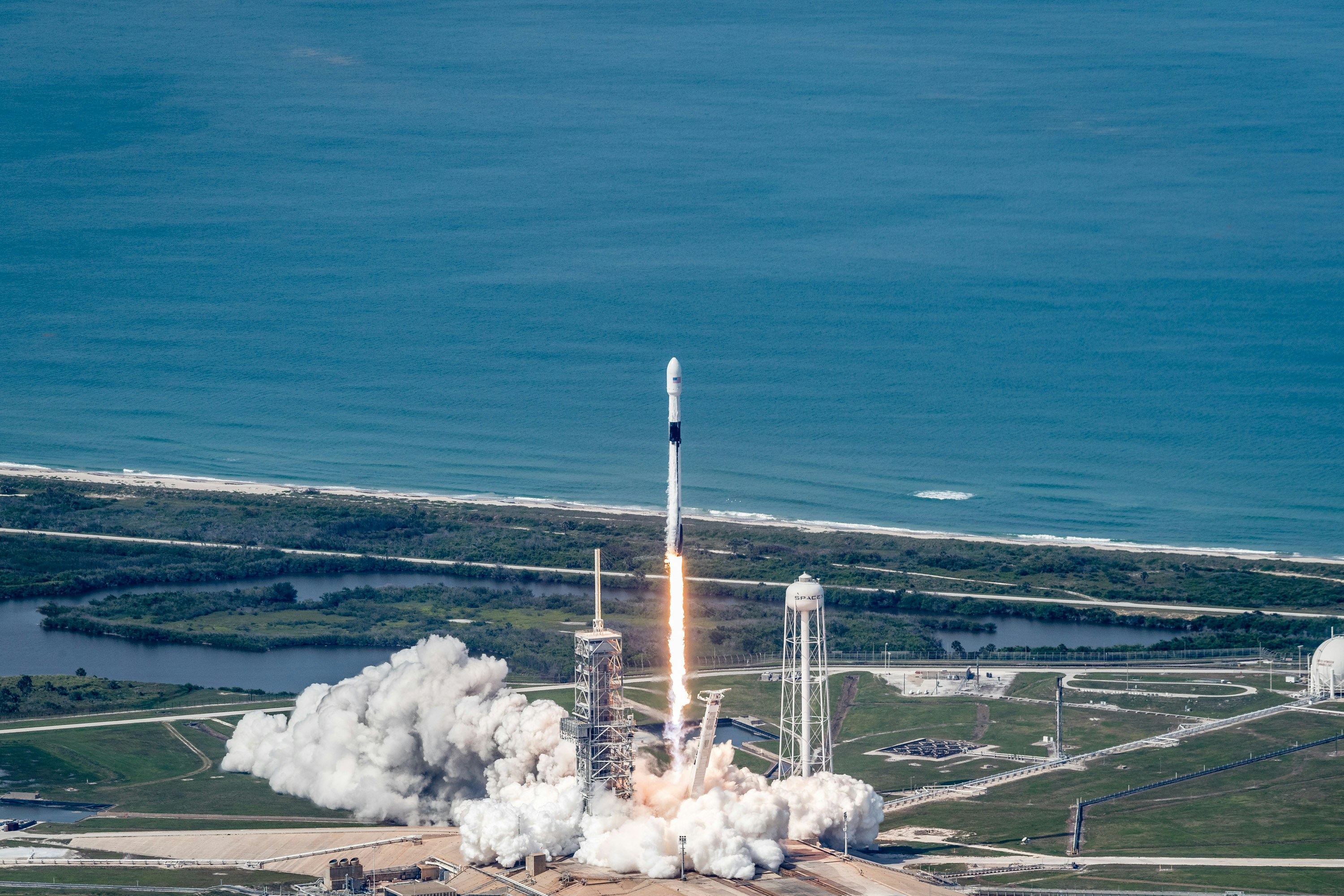
SpaceX conducted multiple successful launches this week, adding to its Starlink constellation and marking significant milestones in its ongoing missions.
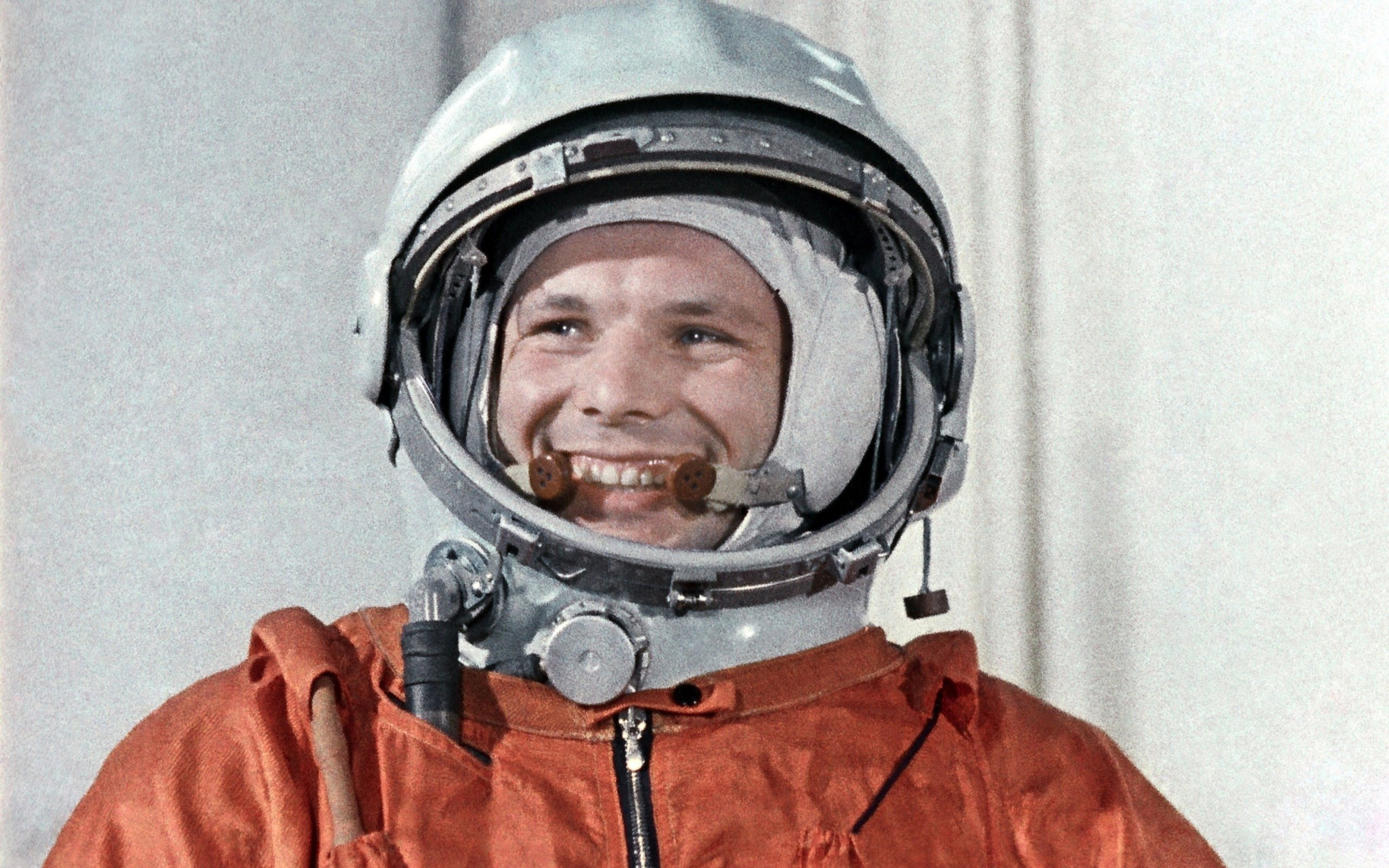
On April 12, 1961, a 27-year-old Soviet pilot rode a modified ICBM into orbit and came back alive after 108 minutes. Exactly twenty years later, two Americans climbed aboard an untested spacecraft covered in 31,000 ceramic tiles and bet their lives that the math was right.