

Space Brief 29 Aug 2025
Today's Space Brief highlights emerging technologies in space, a contract for U.S. Space Force missions, developments in military operations, and updates on drone advancements.


Launch Date
October 15, 1965
Launch Site
Launch Pad
Unknown
Launch Vehicle
Unknown
NORAD ID
05719
International Designator
N/A
Decay Date
7/30/1975
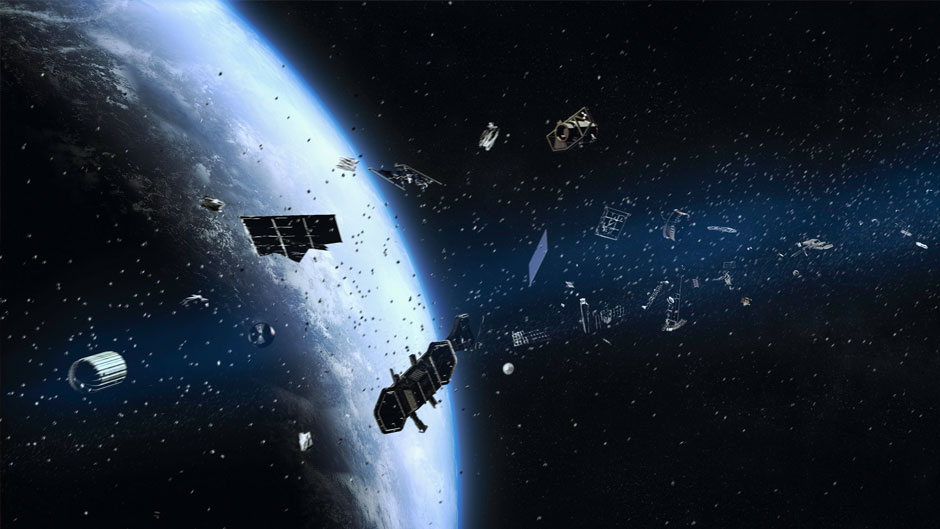
Name
TITAN 3C TRANSTAGE DEB
Alternative Name
deb Transtage 4
Type
Status
Owner
AFSSD
Country
United States
Constellation
N/A
Related Satellites
Major Events
N/A
Length
0
Diameter
0
Span
0
Dry Mass
0
Launch Mass
0
Shape
N/A
Radar Cross Section
Unknown
Visual Magnitude
Unknown
Color
Unknown
Material Composition
Unknown
Payload
Unknown
Purpose
Unknown
Mission
Unknown
Manufacturer
Unknown
Life Expectancy
Unknown
Bus
Unknown
Configuration
Unknown
Motor
Unknown
Equipment
Unknown
Power System
Unknown
ADCS
Unknown
Transmitter Frequency
Unknown
Learn more about satellites and other related topics.
Today's Space Brief highlights emerging technologies in space, a contract for U.S. Space Force missions, developments in military operations, and updates on drone advancements.
SDA hands L3Harris and Sierra Space $1.75B to build missile warning satellites for Pentagon's Golden Dome shield, targeting 2028 demonstration under accelerated schedule.
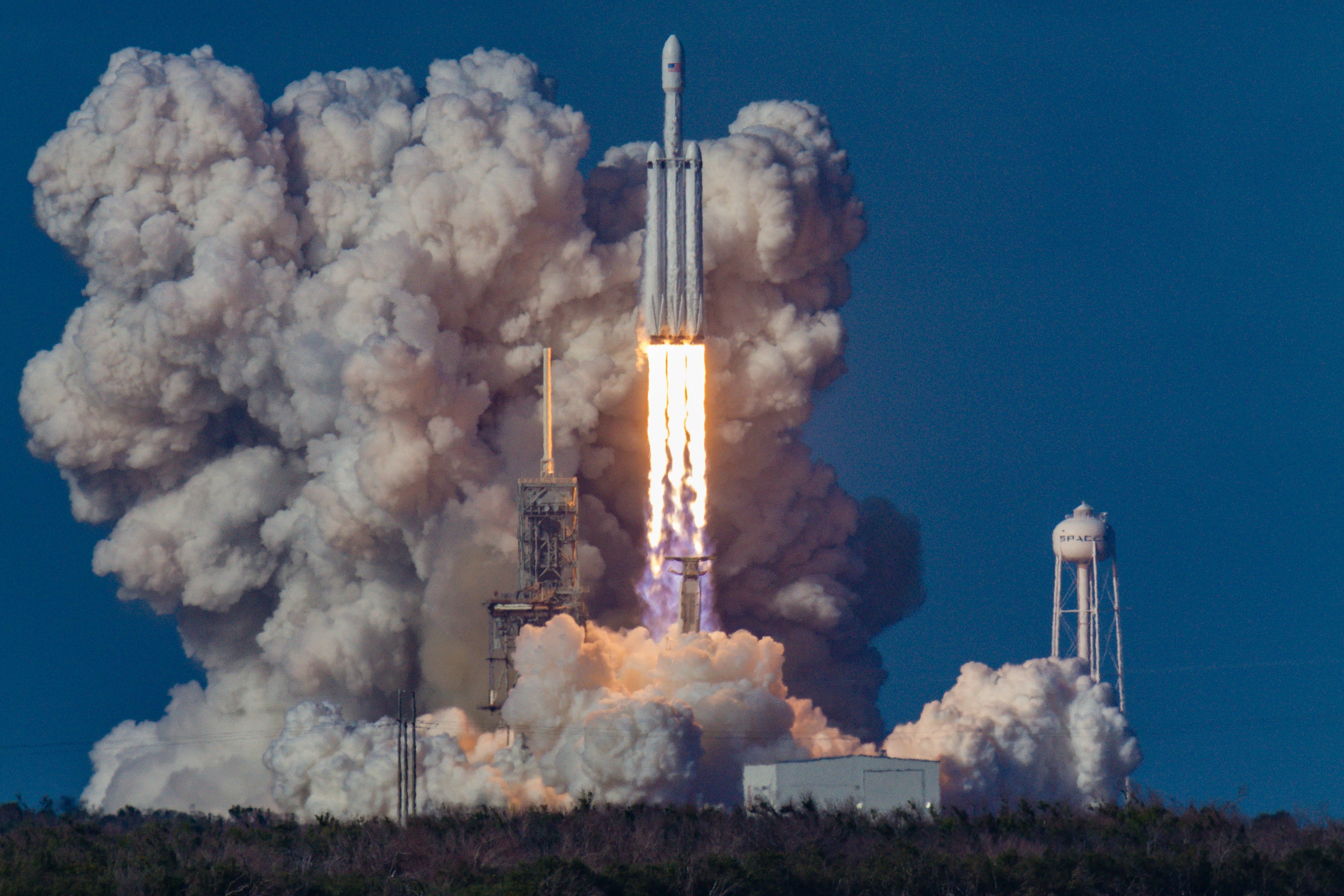
Falcon Heavy completed its 12th flight ever on April 29, ending an 18-month stand-down by lofting the 6-ton ViaSat-3 F3 comsat to GTO.
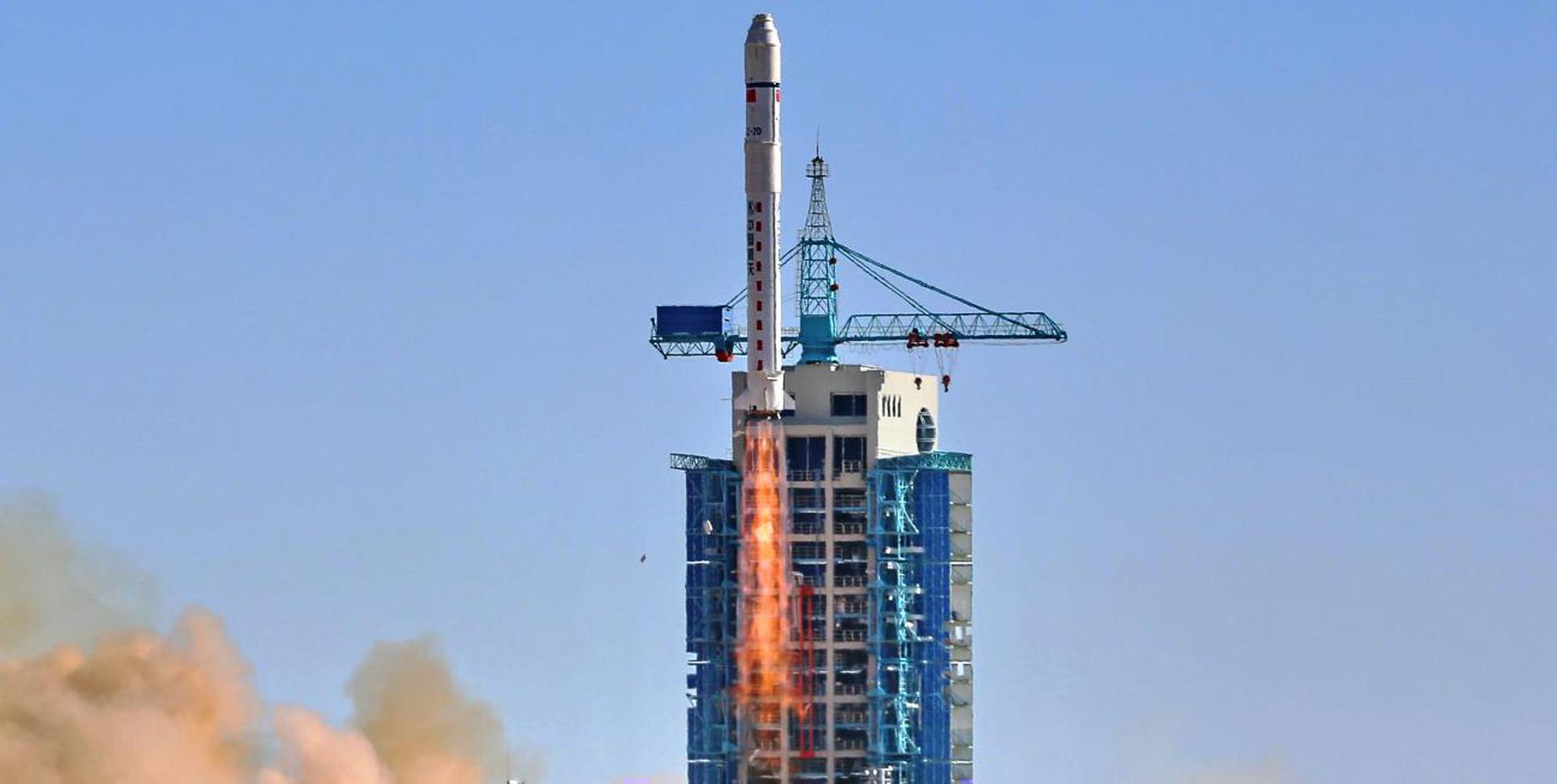
Blue Origin's fourth New Glenn rocket exploded during static fire at LC-36, Cape Canaveral, destroying the fully stacked vehicle and pad infrastructure. Amazon Leo launch postponed indefinitely.

SpaceX achieves new milestones with Starlink launches, and Elon Musk's influence is a point of discussion. Telesat makes strides amid Starlink's growing dominance.
SpaceX unveils Stargaze space situational awareness system during 13th launch of January. Reports surface of SpaceX-xAI merger talks ahead of potential IPO. Dual-coast Starlink launches from CA and FL.

On April 22, 2026, the FAA published a final rule implementing per-launch user fees for commercial space transportation — the first time the U.S. government has charged payload-based fees for rocket launches. Starting at 25 cents per pound with a $30,000 cap, the fees are modest today. By 2033, they won't be.

SpaceX successfully launched 28 Starlink satellites from Cape Canaveral, while Starship prepares for its ninth test flight next week.