


1 Million AI Data Centers in Orbit Threaten Astronomy | KeepTrack X Report
SpaceX's proposed 1-million-satellite AI data center constellation alarms astronomers as Falcon 9 logs its 25th Starlink launch of 2026.


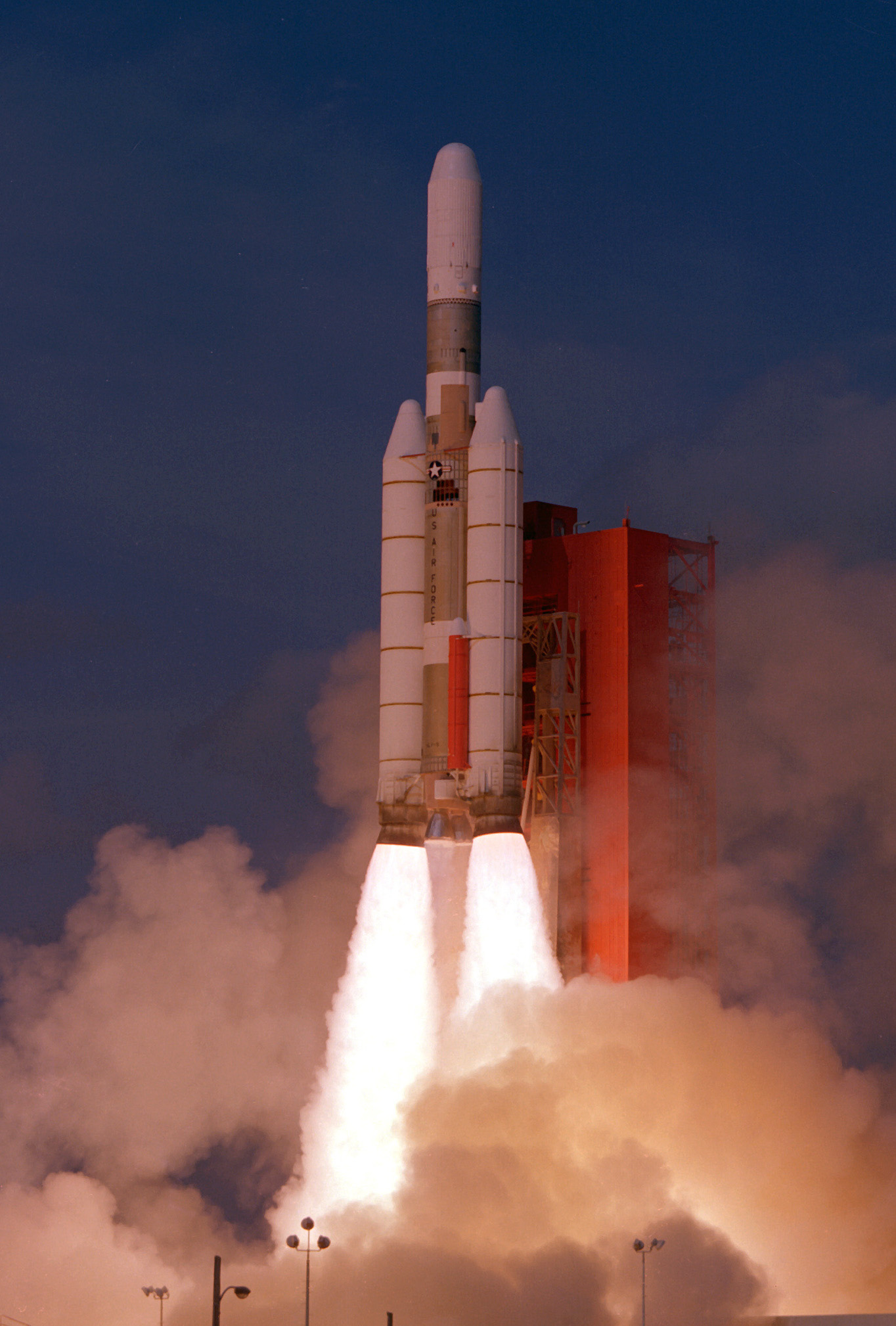
Launch Date
November 3, 1971
Launch Site
Launch Pad
LC40
Launch Vehicle
Titan IIIC
NORAD ID
05587
International Designator
1971-095A
Epoch
Sun, 19 Jul 2026 14:38:38 GMT
Apogee
Calculating...
Perigee
Calculating...
Inclination
1.51°
Right Ascension
252.47°
Eccentricity
Calculating...
Argument of Perigee
357.14°
Period
1436.21 min
Mean Motion
1.00 rev/day
Latitude
Calculating...
Longitude
Calculating...
Altitude
Calculating...
Velocity
Calculating...
Name
OPS 9431 (DSCS 2-1)
Alternative Name
DSCS II F-1
Type
Status
Owner
SAMSO/DCA
Country
United States
Constellation
N/A
Related Satellites
Major Events
N/A
1 05587U 71095A 26200.61016970 -.00000120 00000+0 00000+0 0 9999
2 05587 1.5107 252.4697 0004832 357.1413 167.2575 01.00263733122347
Source: Celestrak
Apologies, there is no summary for this satellite yet. I am working to generate these for every object in the catalog, but it is going to take time.
Length
3.6
Diameter
2.7
Span
3.6
Dry Mass
500
Launch Mass
526
Shape
Cyl
Radar Cross Section
2.6104
Visual Magnitude
Unknown
Color
Unknown
Material Composition
Unknown
Payload
DSCS II A-1
Purpose
Communication
Mission
Communication
Manufacturer
TRW
Life Expectancy
5 years
Bus
DSCS II
Configuration
Spin-stabilization, despun antennas
Motor
?
Equipment
2 X-Band transponders
Power System
Solar cells, batteries
ADCS
Unknown
Transmitter Frequency
Unknown
Learn more about satellites and other related topics.
SpaceX's proposed 1-million-satellite AI data center constellation alarms astronomers as Falcon 9 logs its 25th Starlink launch of 2026.
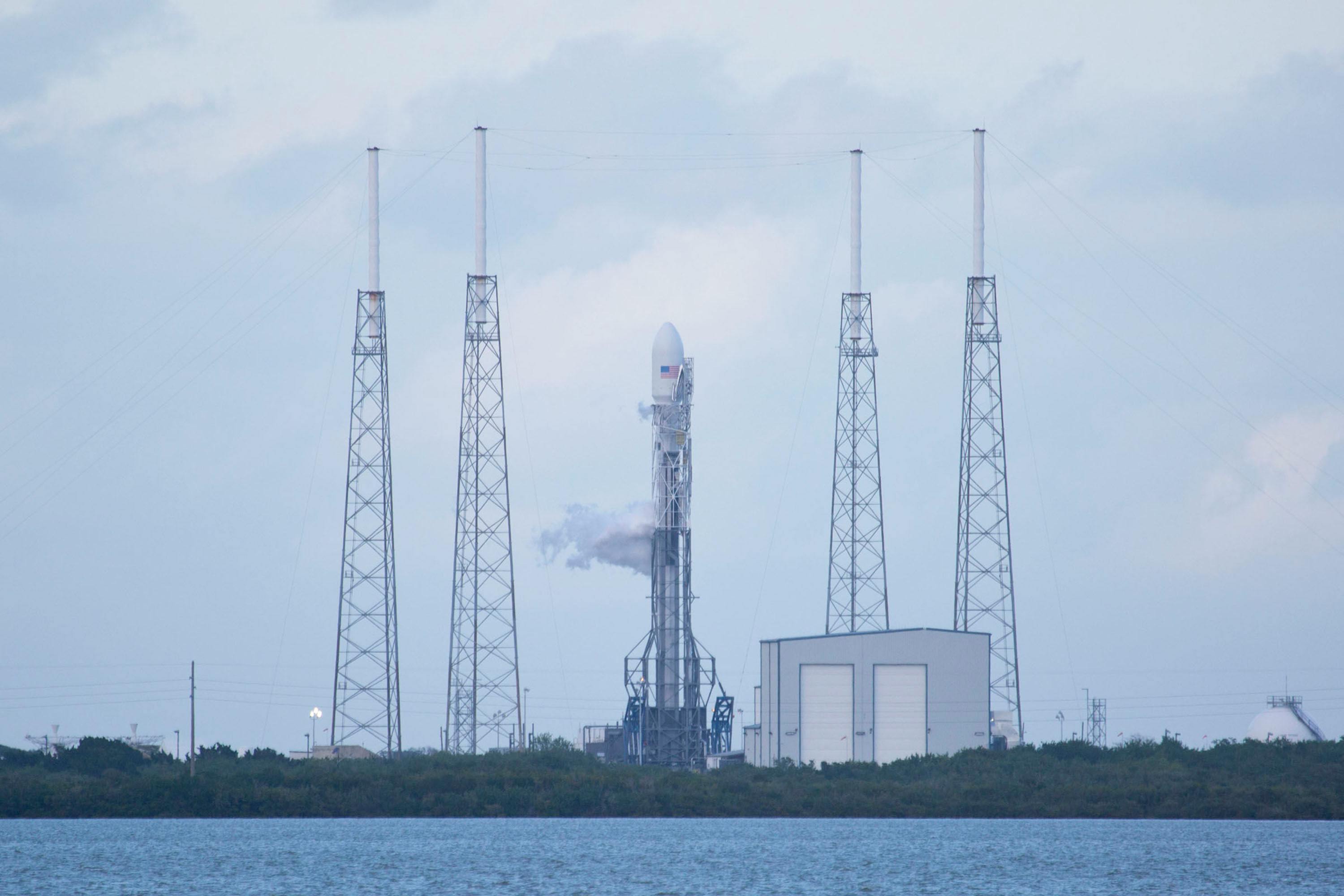
SpaceX cancels Texas land-swap deal amid growing Starship presence and launches 20 Starlink satellites using the 400th Falcon 9 rocket.
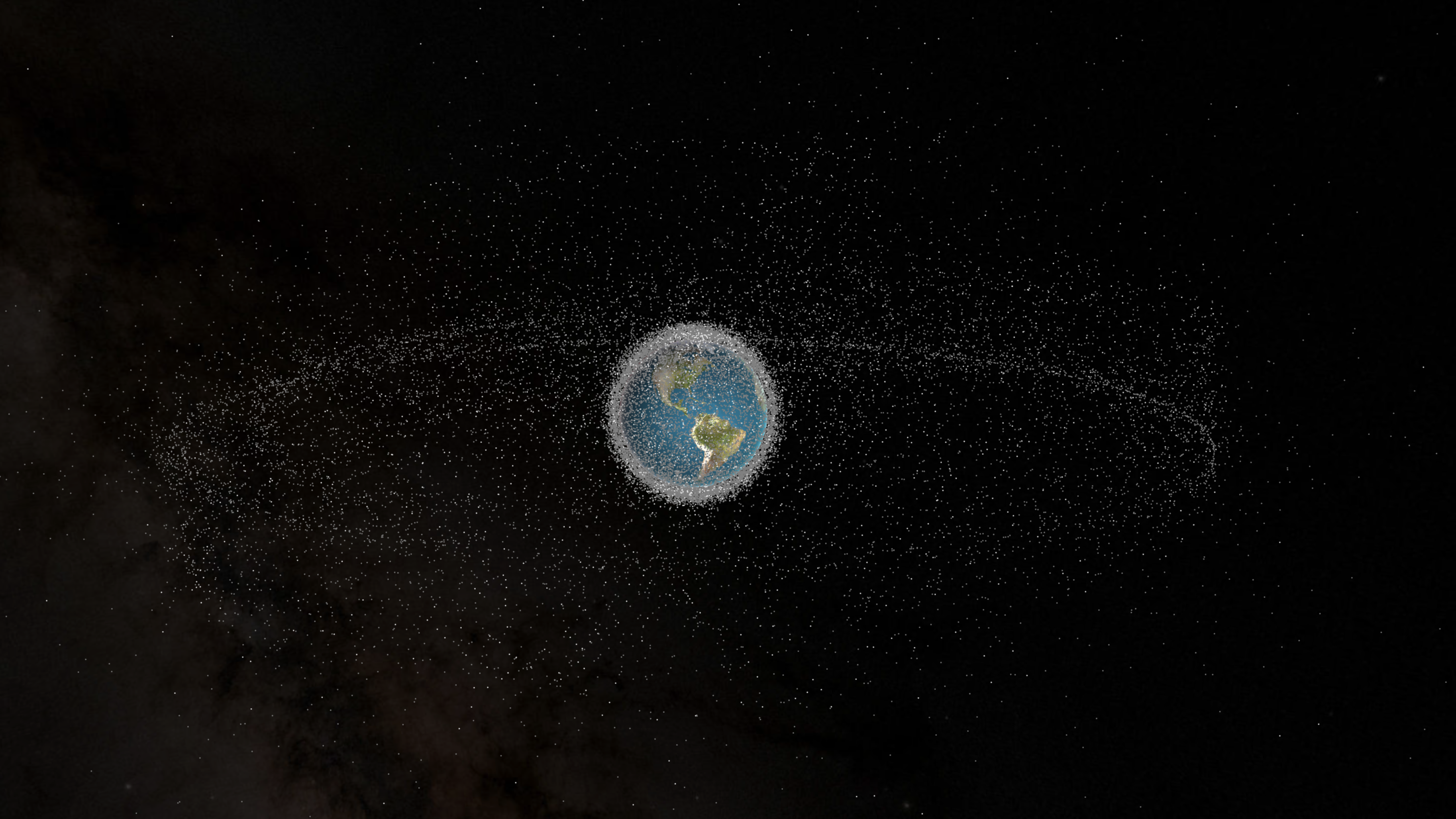
From shattered satellites to exploded rocket stages, space debris poses a growing risk to satellites, space stations, and astronauts. Here's a deep dive into what causes space debris, notable generating events, and what we're doing about it.

GAO warns SDA missile-tracking satellite program overestimates tech readiness. SPACECOM pushes expanded on-orbit warfighting exercises. Congress advocates for enhanced GPS anti-jam capabilities.
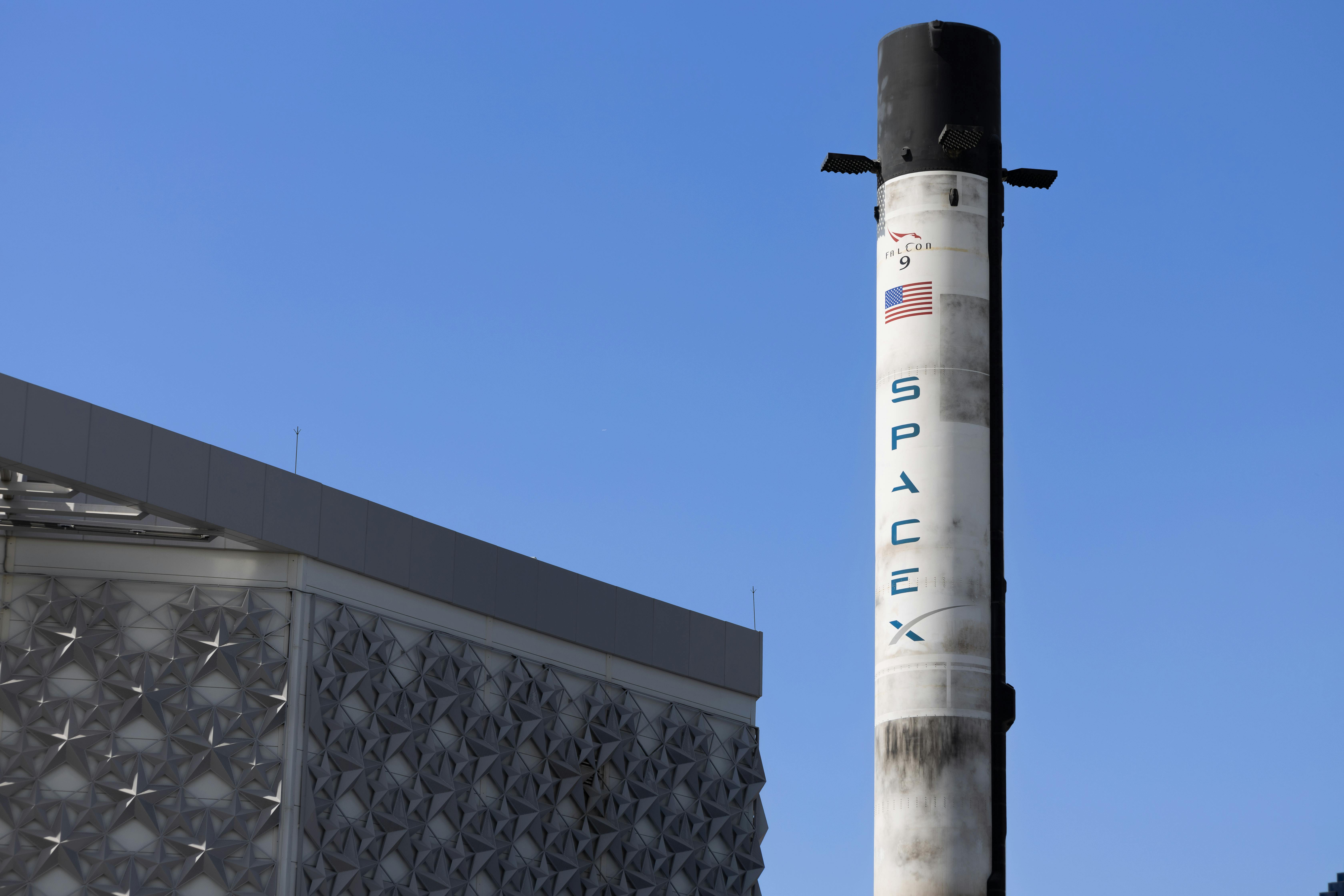
SpaceX successfully launches two rideshare missions to mid-inclination orbits, expanding their satellite deployment capabilities.
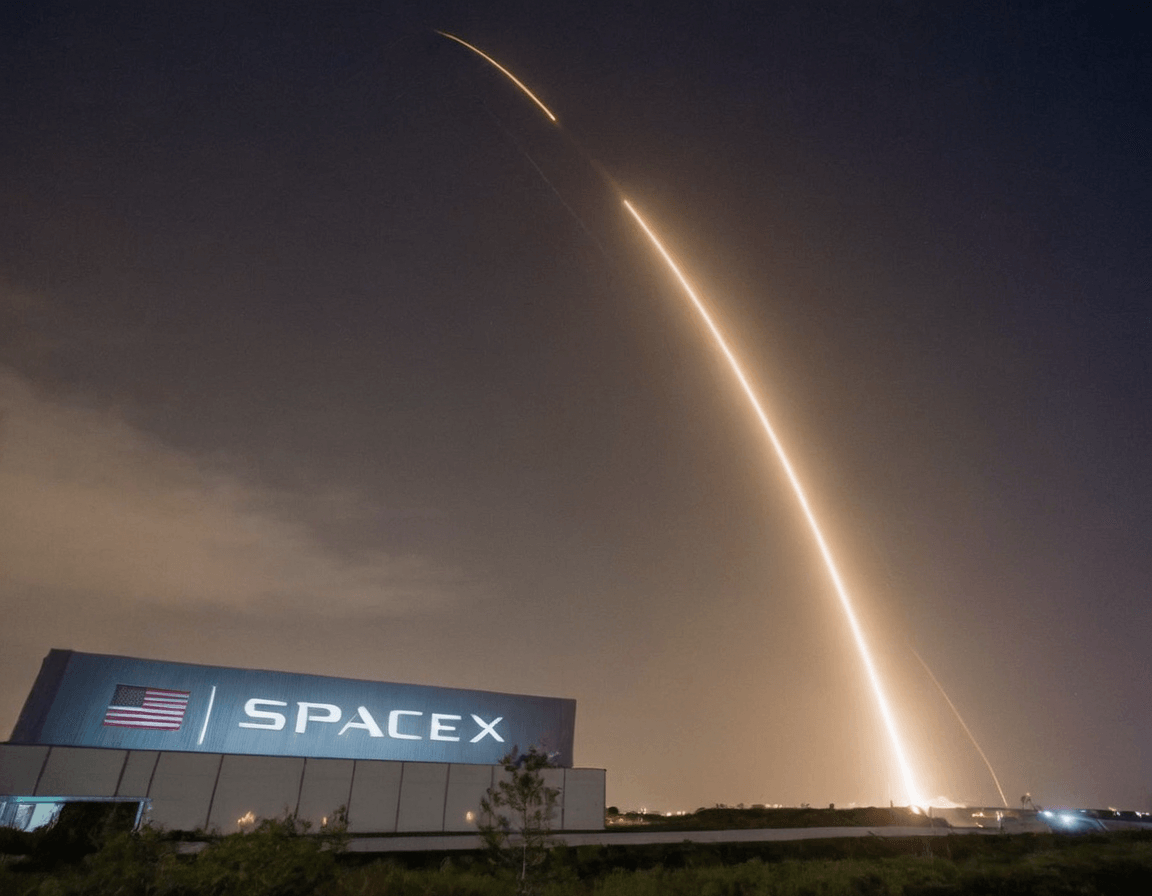
SpaceX successfully returns to flight with a Starlink mission, detailing the cause of the July 11 anomaly and implementing fixes to prevent future incidents.
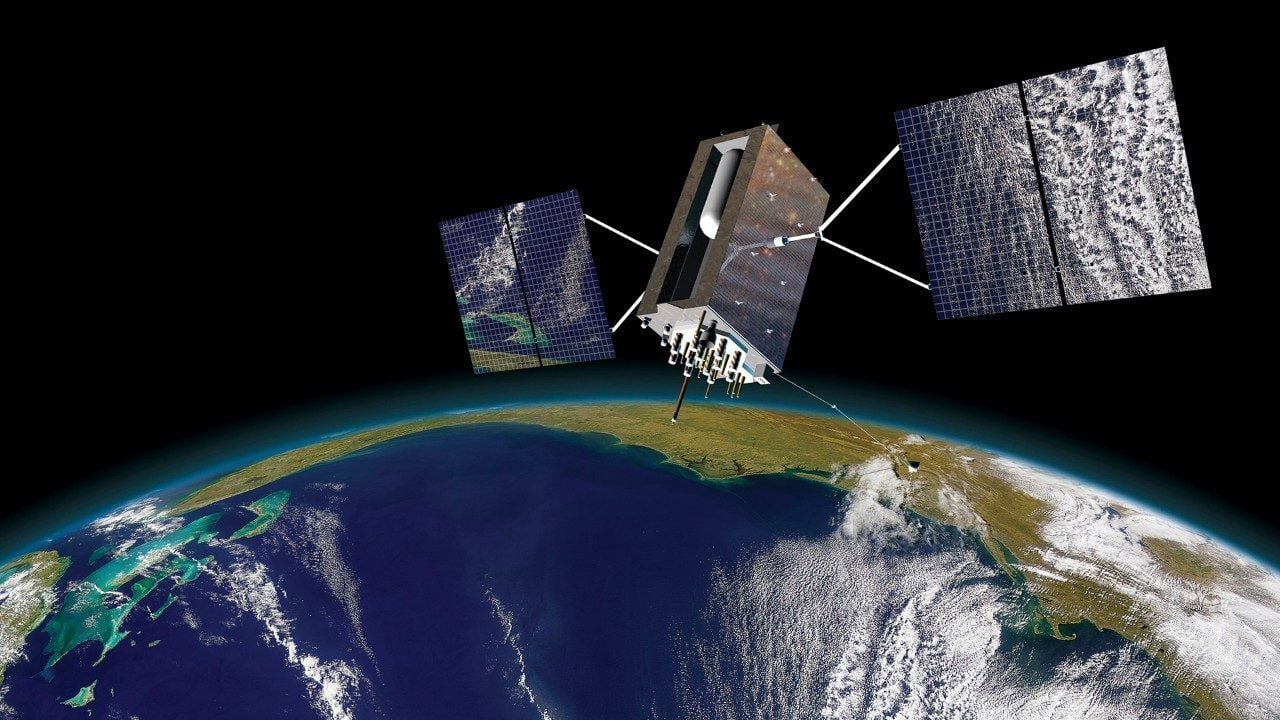
On April 17, 2026, the U.S. Space Force officially cancelled the Next Generation Operational Control System after sixteen years of development, cost overruns, and testing failures. The $8 billion program was supposed to unlock the military's encrypted GPS signal. Instead, the satellites are flying with capabilities the ground can't command.

Major challenges emerged with SpaceX's next-generation Starship booster testing, while Starlink deployments continued with successful launches.