

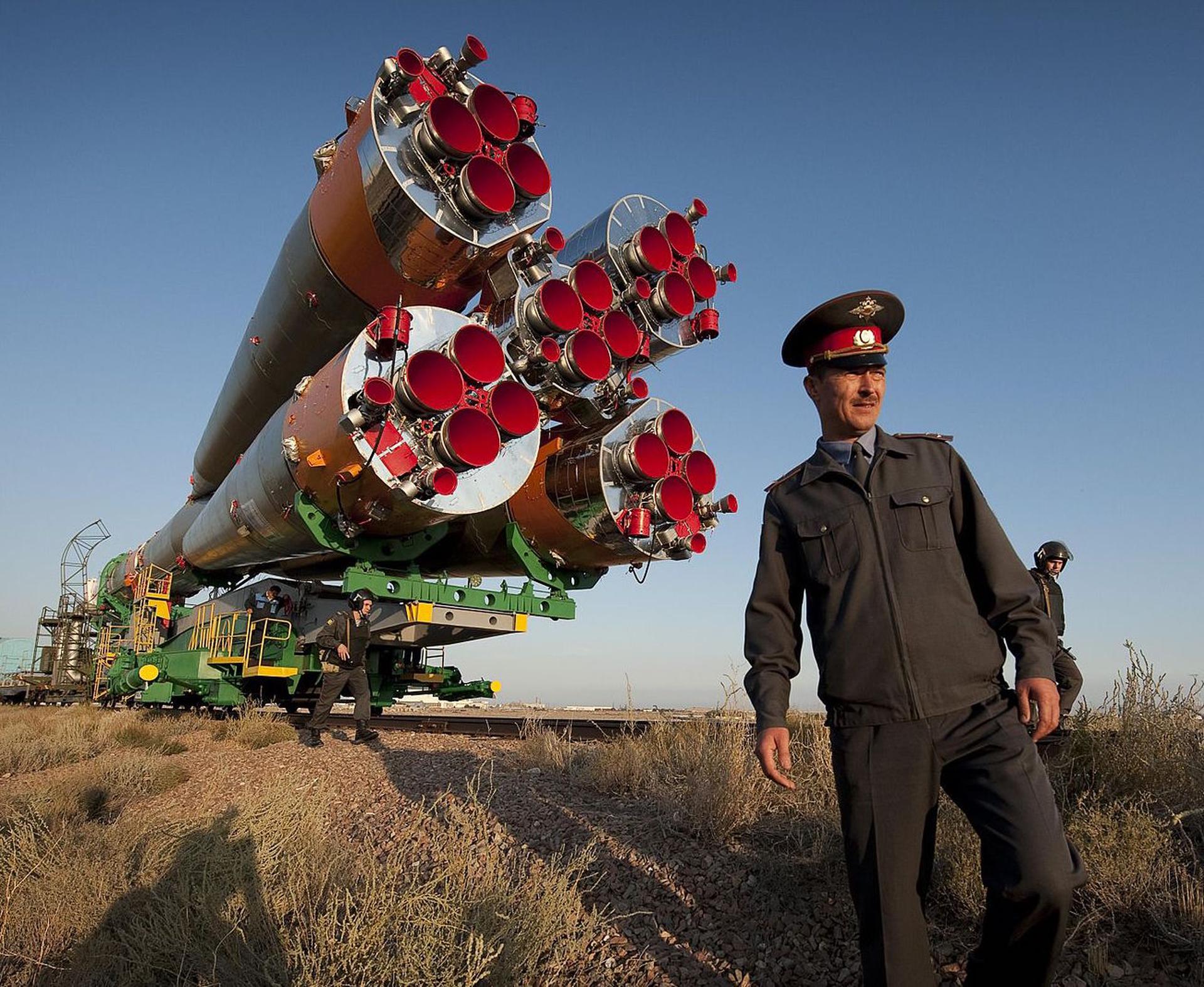
Space Brief 10 Nov 2024
Long March 2C launches four PIESAT-2 radar satellites, Gilmour Space secures Australia's first orbital launch permit, NASA extends ISS cargo contracts through 2030, ESA and Arianespace face industry crossroads.



Launch Date
October 15, 1965
Launch Site
Launch Pad
LC40
Launch Vehicle
Titan IIIC
NORAD ID
03729
International Designator
1965-082RL
Decay Date
6/26/1969
Name
TITAN 3C TRANSTAGE DEB
Alternative Name
deb Transtage 4
Type
Status
Owner
AFSSD
Country
United States
Constellation
N/A
Related Satellites
Major Events
N/A
Length
0
Diameter
0
Span
0
Dry Mass
0
Launch Mass
0
Shape
N/A
Radar Cross Section
Unknown
Visual Magnitude
Unknown
Color
Unknown
Material Composition
Unknown
Payload
Unknown
Purpose
Unknown
Mission
Unknown
Manufacturer
Unknown
Life Expectancy
Unknown
Bus
Unknown
Configuration
Unknown
Motor
Unknown
Equipment
Unknown
Power System
Unknown
ADCS
Unknown
Transmitter Frequency
Unknown
Learn more about satellites and other related topics.
Long March 2C launches four PIESAT-2 radar satellites, Gilmour Space secures Australia's first orbital launch permit, NASA extends ISS cargo contracts through 2030, ESA and Arianespace face industry crossroads.

A second Starlink satellite has generated on-orbit debris in just over 3 months, threatening SpaceX's 10,151-satellite working constellation.
Today's highlights include Firefly's acquisition of SciTec, DARPA's vision for a moon economy, and ESA's new deep space antenna in Australia. Stay updated on the latest in space intelligence and defense technology transformations, plus noteworthy rogue planet phenomena.
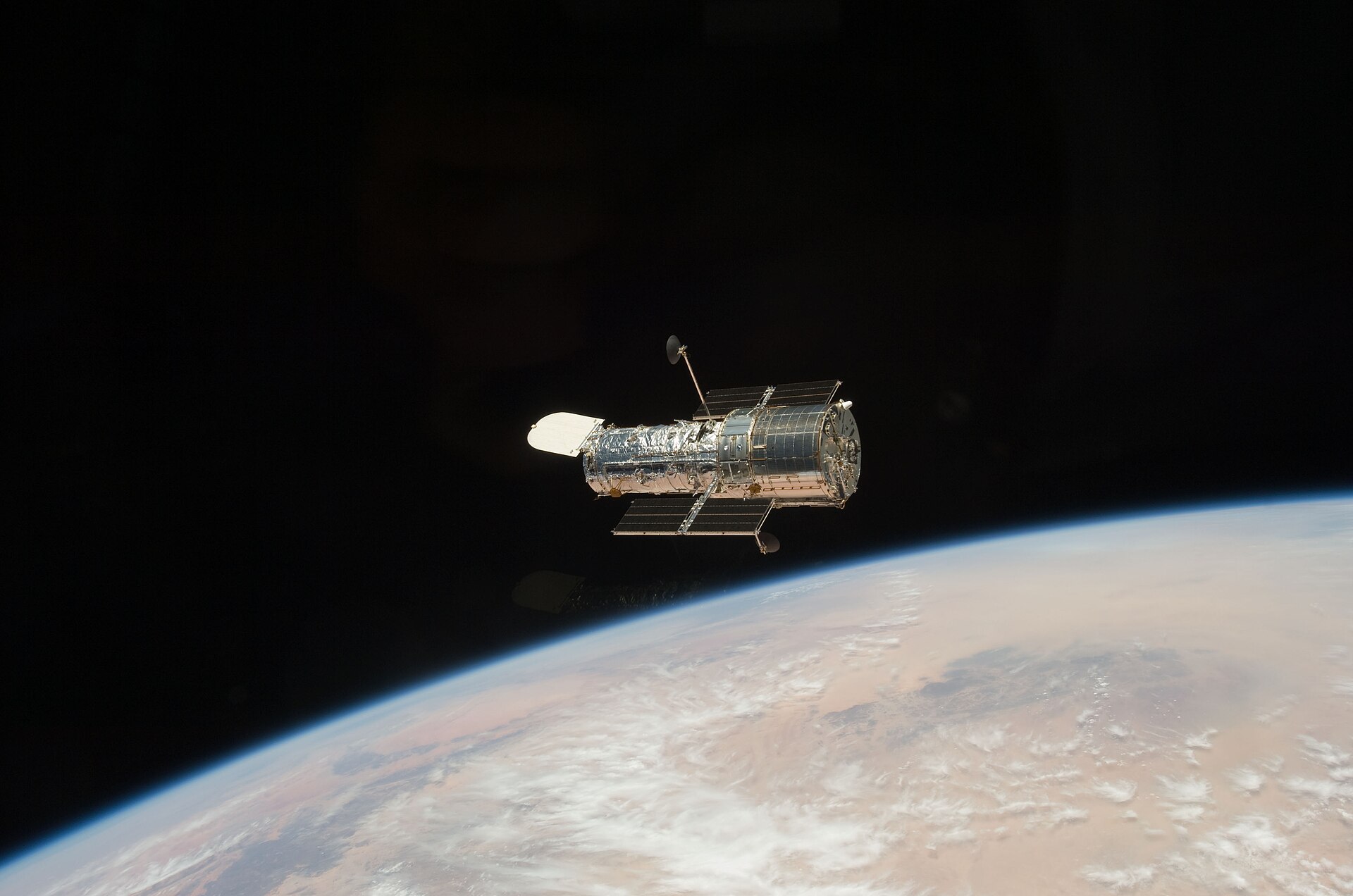
On April 25, 1990, the Space Shuttle Discovery's robotic arm lifted a 11,110-kilogram barrel of mirrors and instruments out of the payload bay and released it into orbit. Six weeks later, the first images came back badly out of focus. The Hubble Space Telescope had been ground to the wrong prescription, and America had just spent $2.5 billion on what the press was calling a 'technoturkey.'
Artemis 2 splashdown marks first crewed lunar flyby since Apollo 17 in 1972. Four astronauts completed historic mission, validating systems for Artemis 3 landing attempt.

Today's brief covers Blue Origin's launch delay, SpaceX's upcoming Starlink mission, and highlights the YAOGAN-43 O1C satellite.
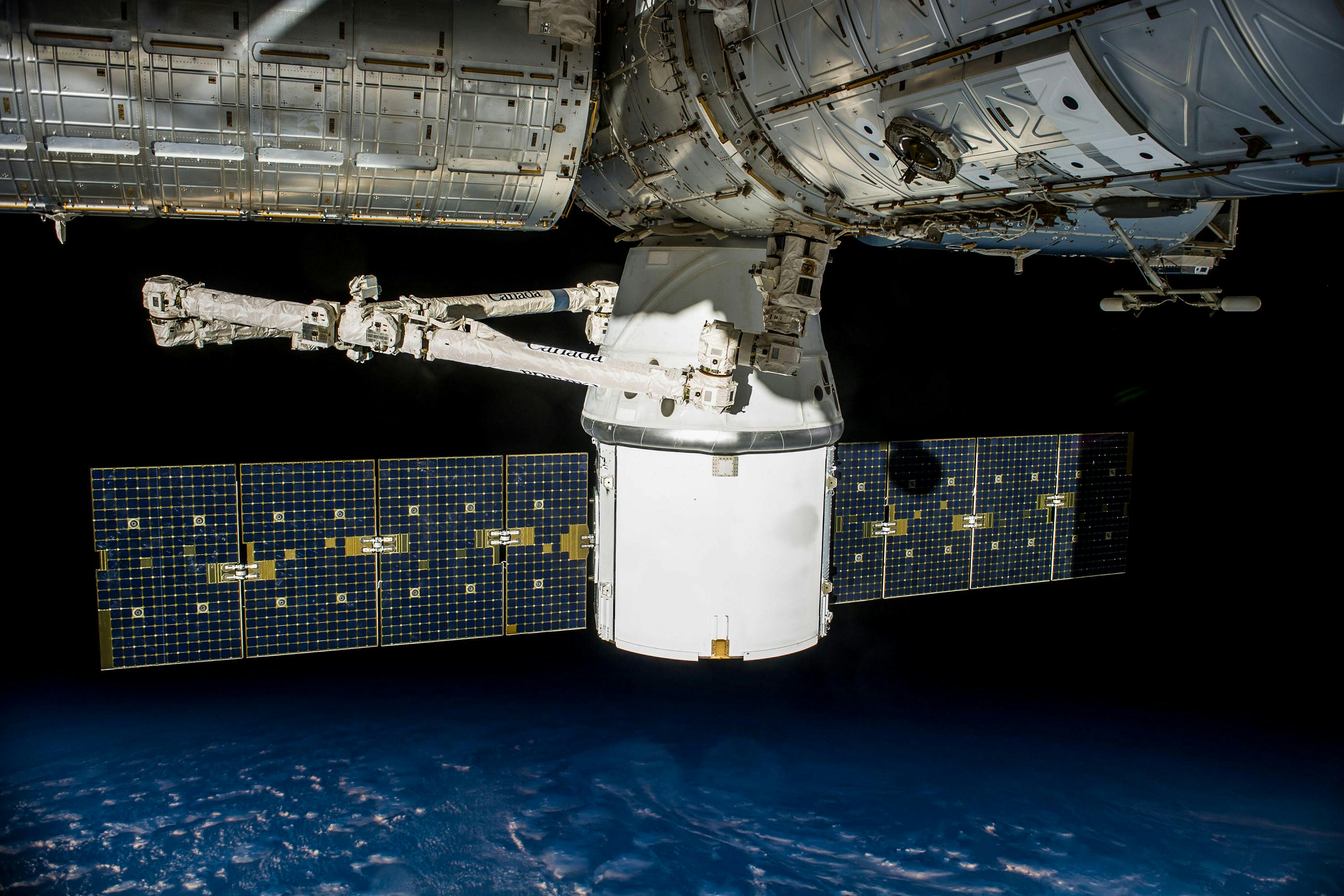
SpaceX launches 600th Falcon 9 rocket with Starlink 17-13 mission. Crew Dragon docks at ISS restoring crew to seven. Crew-12 launched on Friday the 13th in a first for NASA.

Artemis 2's four-person crew splashed down April 10 after first crewed lunar flyby since Apollo 17. Orion performance data critical for Artemis 3 south pole landing planning.