


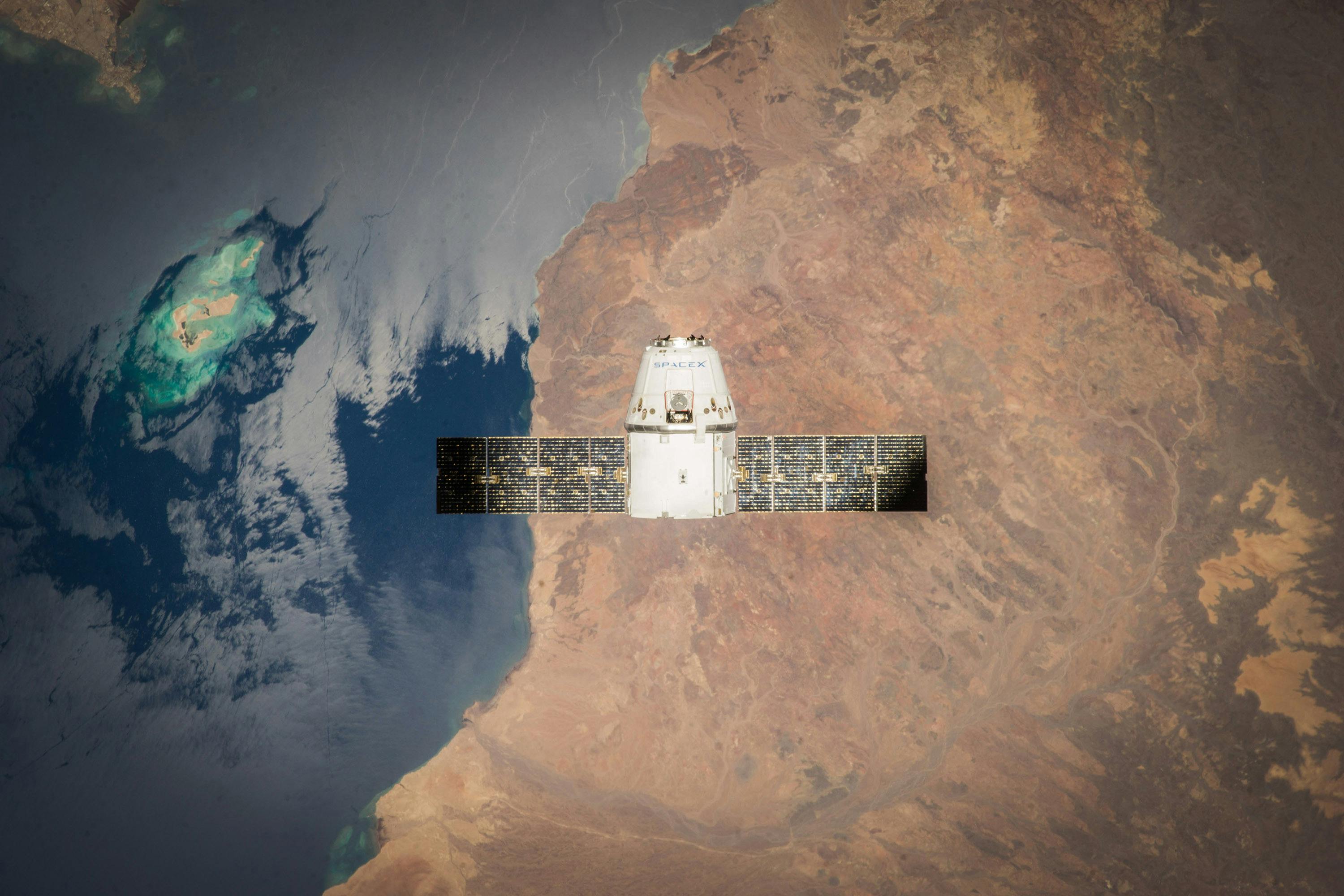
X Report 1 Dec 2025
SpaceX celebrates significant milestones with the launch of Falcon 9 and developments in the Starship program, while Elon Musk addresses media narratives surrounding Starlink's humanitarian efforts.


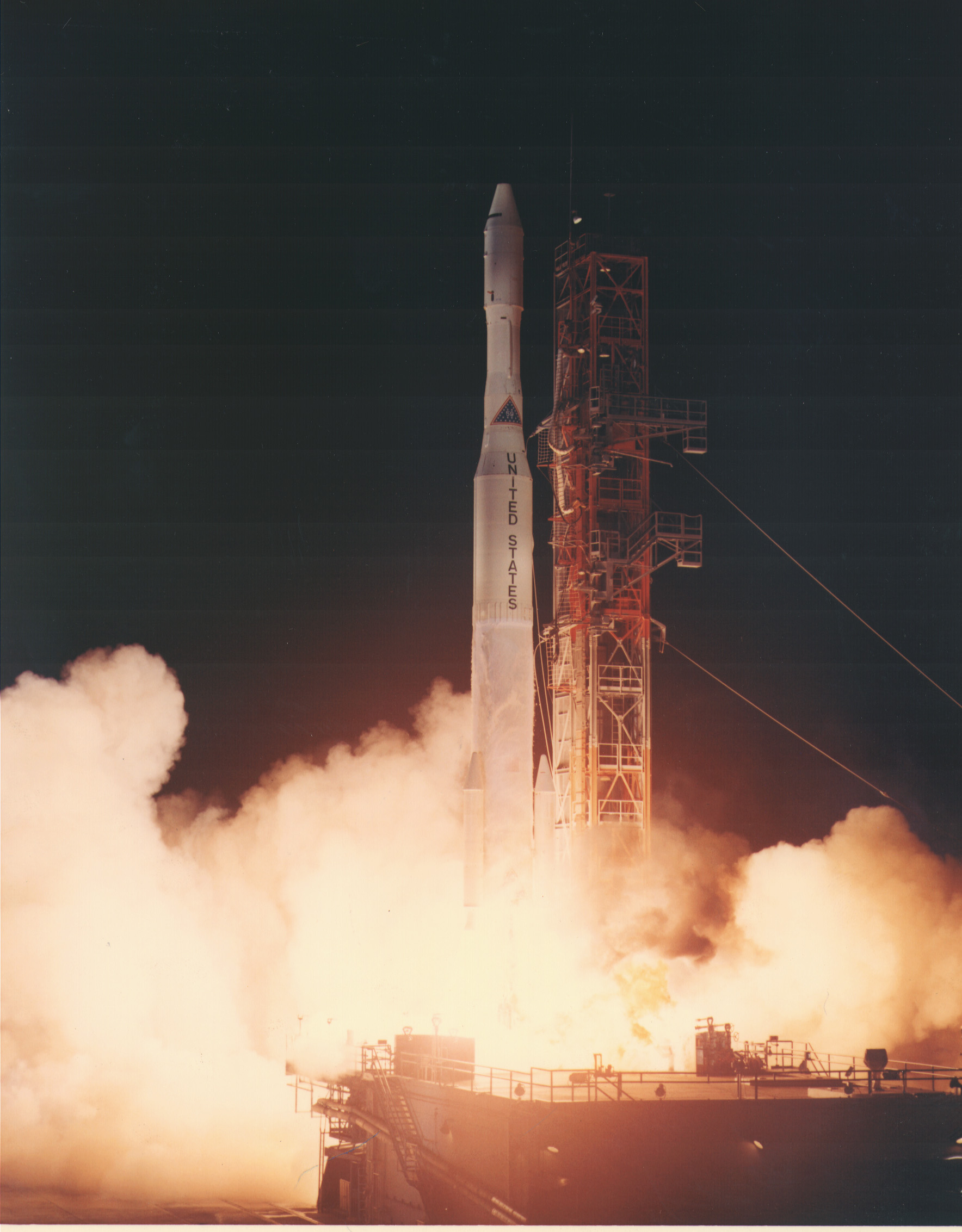
Launch Date
December 19, 1968
Launch Site
Launch Pad
LC17A
Launch Vehicle
Thor Delta M
NORAD ID
03623
International Designator
1968-116A
Epoch
Sun, 19 Jul 2026 14:12:42 GMT
Apogee
Calculating...
Perigee
Calculating...
Inclination
3.94°
Right Ascension
297.86°
Eccentricity
Calculating...
Argument of Perigee
89.46°
Period
1596.55 min
Mean Motion
0.90 rev/day
Latitude
Calculating...
Longitude
Calculating...
Altitude
Calculating...
Velocity
Calculating...
Name
INTELSAT 3-F2
Alternative Name
INTELSAT III F-2
Type
Status
Owner
INTEL
Country
INTELSAT
Constellation
N/A
Related Satellites
Major Events
N/A
1 03623U 68116A 26200.59215897 -.00000104 00000+0 00000+0 0 9996
2 03623 3.9381 297.8578 0091608 89.4565 336.3990 00.90194422 83079
Source: Celestrak
Apologies, there is no summary for this satellite yet. I am working to generate these for every object in the catalog, but it is going to take time.
Length
1.5
Diameter
1.5
Span
1.5
Dry Mass
113
Launch Mass
135
Shape
Cyl
Radar Cross Section
2.5119
Visual Magnitude
Unknown
Color
Unknown
Material Composition
Unknown
Payload
INTELSAT III F-2
Purpose
Communication
Mission
Communication
Manufacturer
TRW
Life Expectancy
5 years
Bus
INTELSAT 3
Configuration
Unknown
Motor
MRE-4
Equipment
2 transponders
Power System
Solar cells (body mounted), batteries
ADCS
Unknown
Transmitter Frequency
Unknown
Learn more about satellites and other related topics.
SpaceX celebrates significant milestones with the launch of Falcon 9 and developments in the Starship program, while Elon Musk addresses media narratives surrounding Starlink's humanitarian efforts.
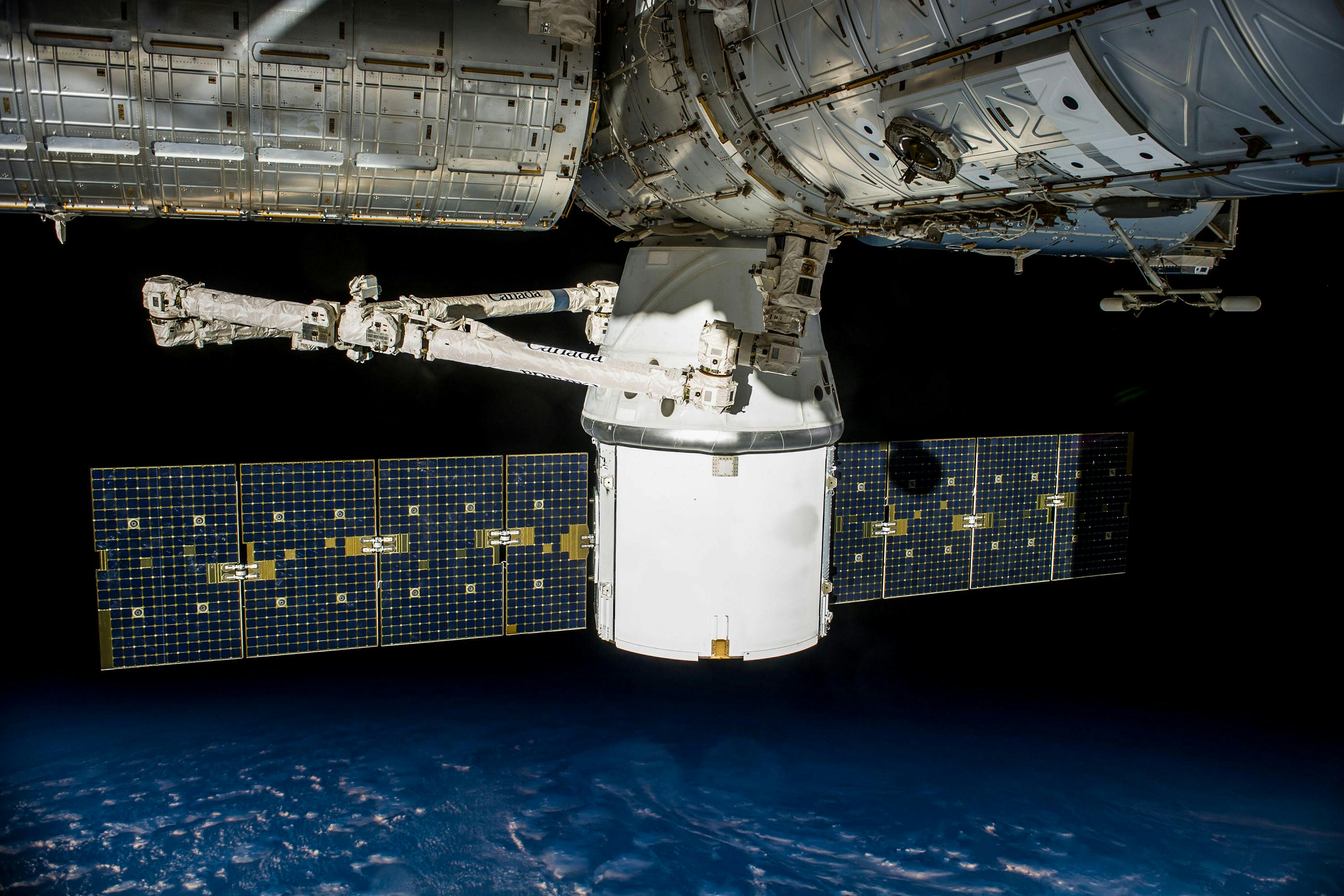
SpaceX launches 600th Falcon 9 rocket with Starlink 17-13 mission. Crew Dragon docks at ISS restoring crew to seven. Crew-12 launched on Friday the 13th in a first for NASA.

Today's report highlights the causes behind a recent Starship explosion, a significant delay in Axiom-4's launch, and the ongoing tension surrounding SpaceX's market dominance.
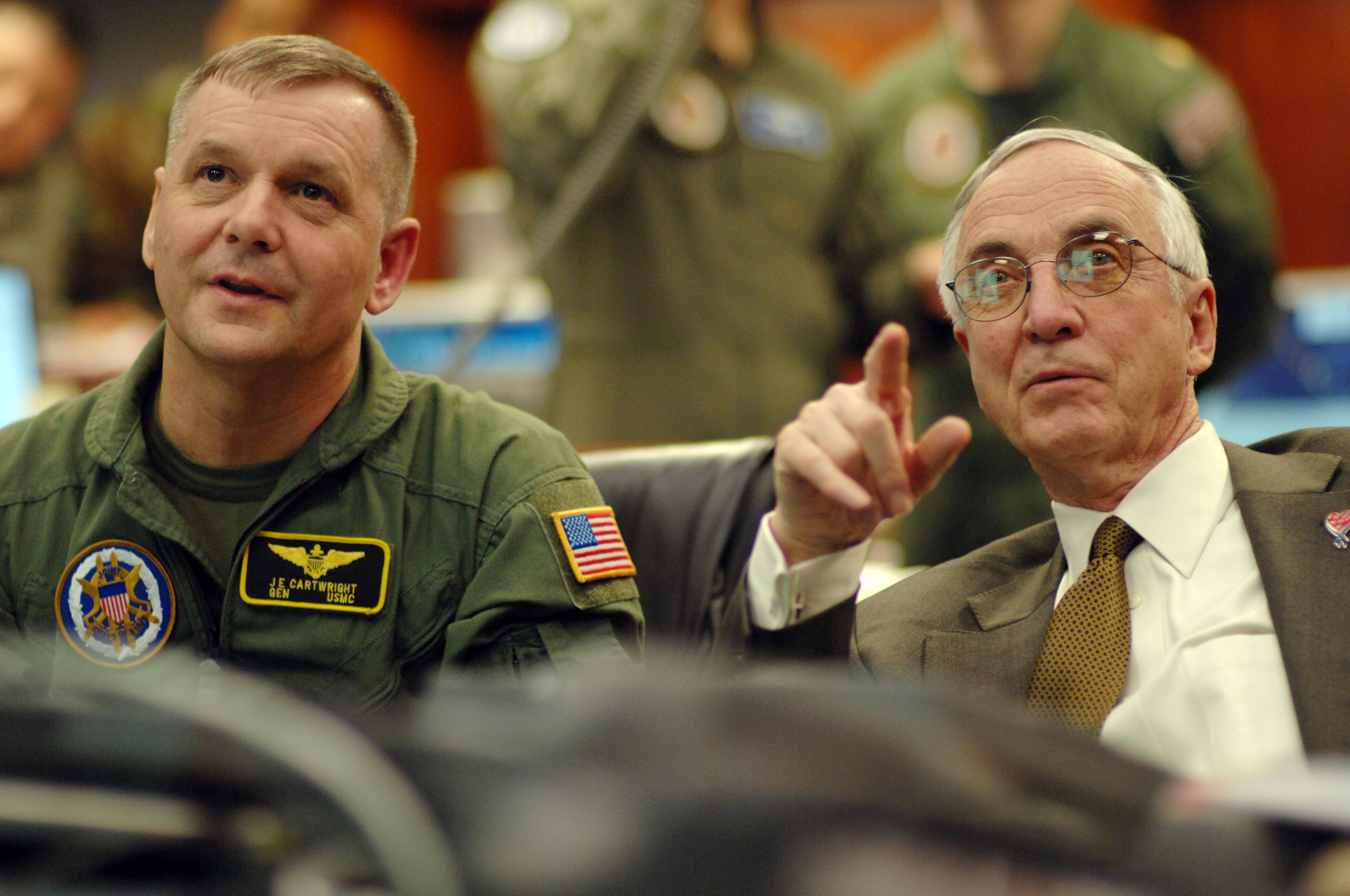
Seventeen years ago, a Navy cruiser in the Pacific fired a missile at a tumbling reconnaissance satellite that had failed within hours of reaching orbit - officially to prevent toxic fuel from reaching the ground, unofficially to prove something far more significant to China and the world

SpaceX announces massive contract awards, advances Starship reusability, and continues to dominate with Starlink deployments.

Today's Space Brief covers significant events including a high-stakes missile defense program, recent Chinese satellite launches, military defense initiatives, and key profiles in defense leadership.
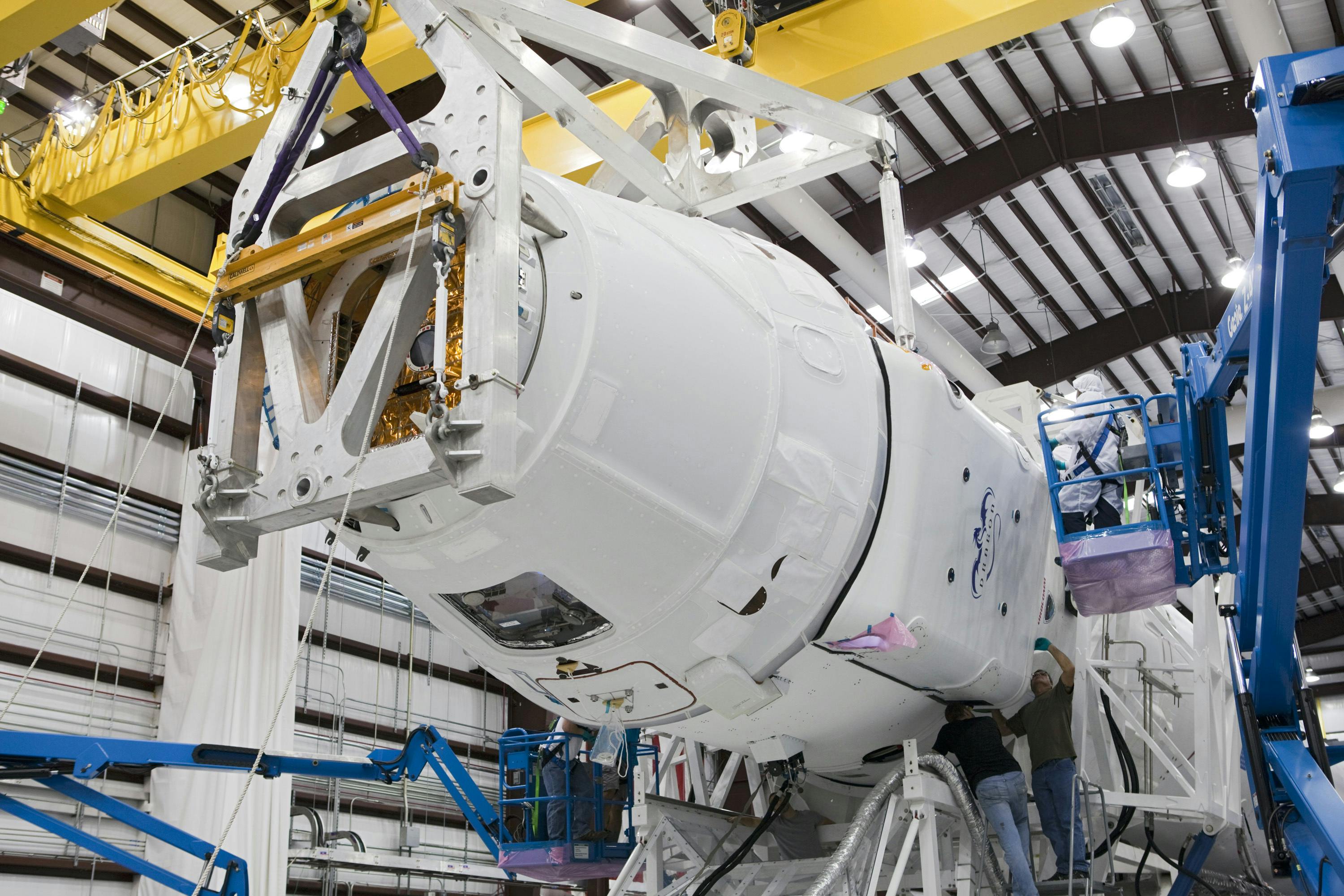
SpaceX secures a significant military contract while successfully launching multiple batches of Starlink satellites. Furthermore, milestones aboard the ISS highlight ongoing space missions.
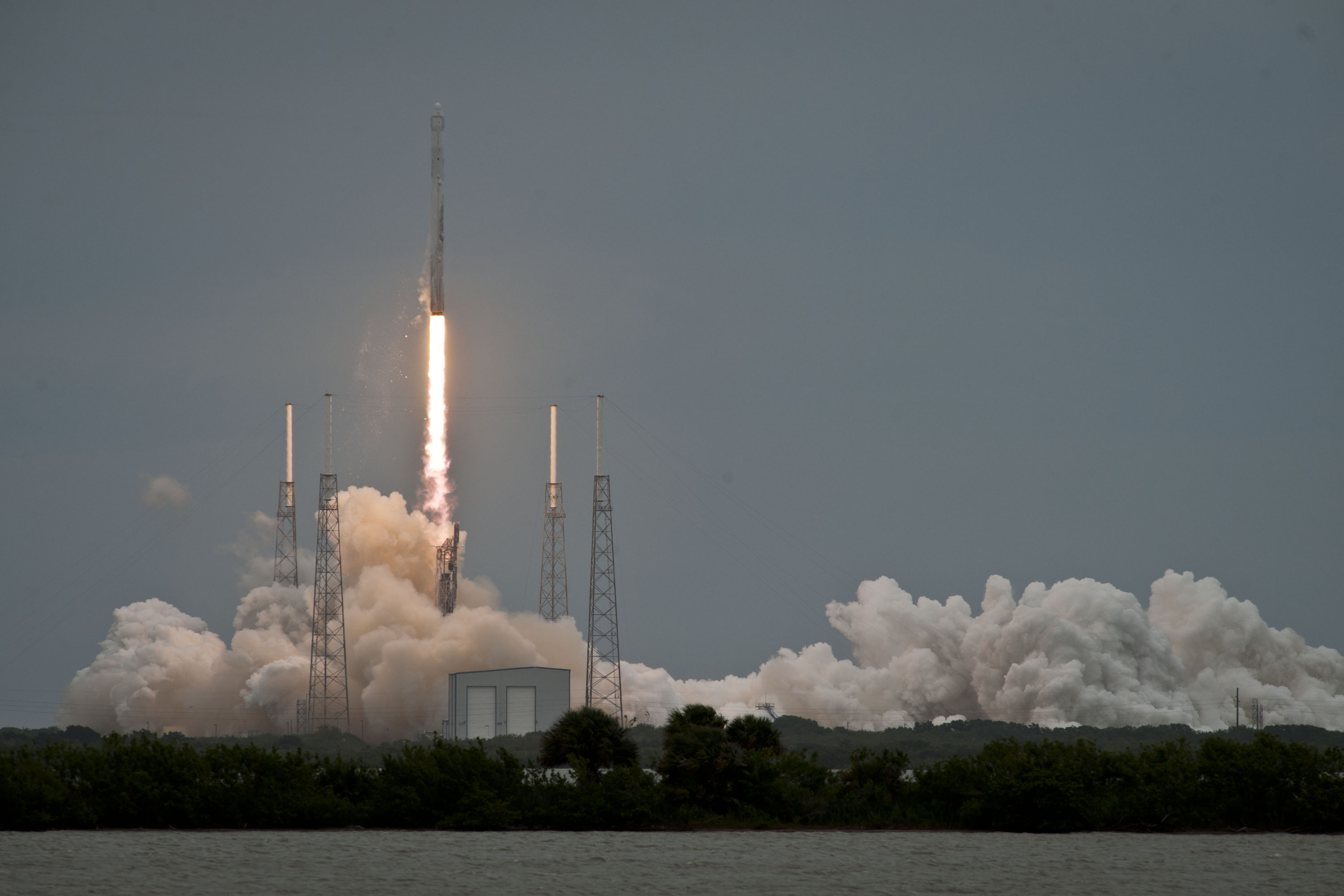
On April 18, 2014, a Falcon 9 first stage did something no orbital rocket had ever done before. It fired its engines on the way down, steered itself through the atmosphere using grid fins that did not yet exist, and touched the Atlantic Ocean softly enough to survive the impact. Nobody recovered it. The data was the whole point.