

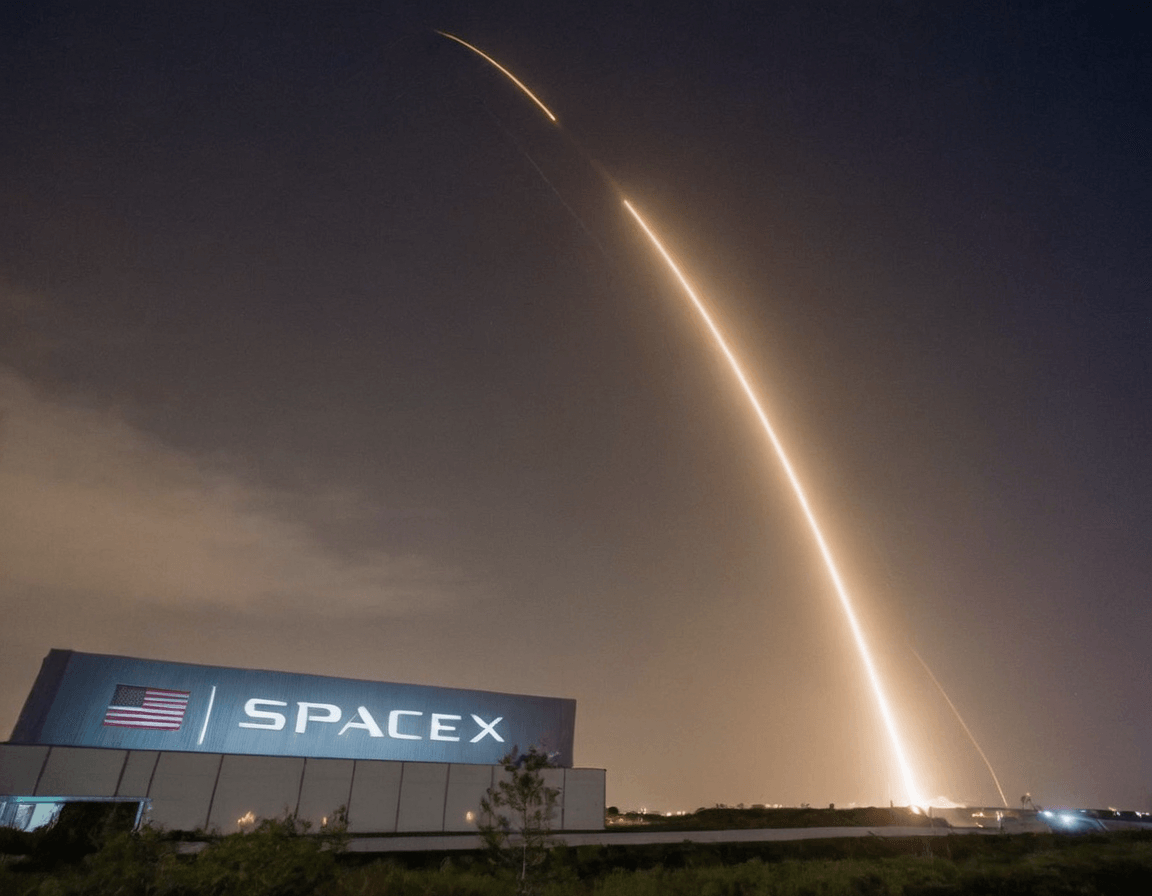
SpaceX Resumes Falcon 9 Launches After Investigating Upper Stage Anomaly
SpaceX successfully returns to flight with a Starlink mission, detailing the cause of the July 11 anomaly and implementing fixes to prevent future incidents.


Launch Date
November 5, 1967
Launch Site
Launch Pad
LC12
Launch Vehicle
Atlas SLV-3 Agena D
NORAD ID
03030
International Designator
1967-111B
Decay Date
8/8/1968
Name
ATLAS AGENA D R/B
Alternative Name
Agena D 6153
Type
Status
Owner
LERC
Country
United States
Constellation
N/A
Related Satellites
Major Events
N/A
Length
6.3
Diameter
1.5
Span
6.3
Dry Mass
600
Launch Mass
600
Shape
Cyl
Radar Cross Section
Unknown
Visual Magnitude
Unknown
Color
Unknown
Material Composition
Unknown
Payload
Agena D 6153
Purpose
Unknown
Mission
Unknown
Manufacturer
LMSC
Life Expectancy
Unknown
Bus
Agena D
Configuration
Unknown
Motor
Unknown
Equipment
Unknown
Power System
Unknown
ADCS
Unknown
Transmitter Frequency
Unknown
Learn more about satellites and other related topics.
SpaceX successfully returns to flight with a Starlink mission, detailing the cause of the July 11 anomaly and implementing fixes to prevent future incidents.

SpaceX successfully launched another batch of Starlink satellites while marking a significant milestone with the 500th Falcon 9 mission. Additionally, the company is preparing for further testing of its Starship system and has begun collaborating with Amazon on their Project Kuiper constellation.
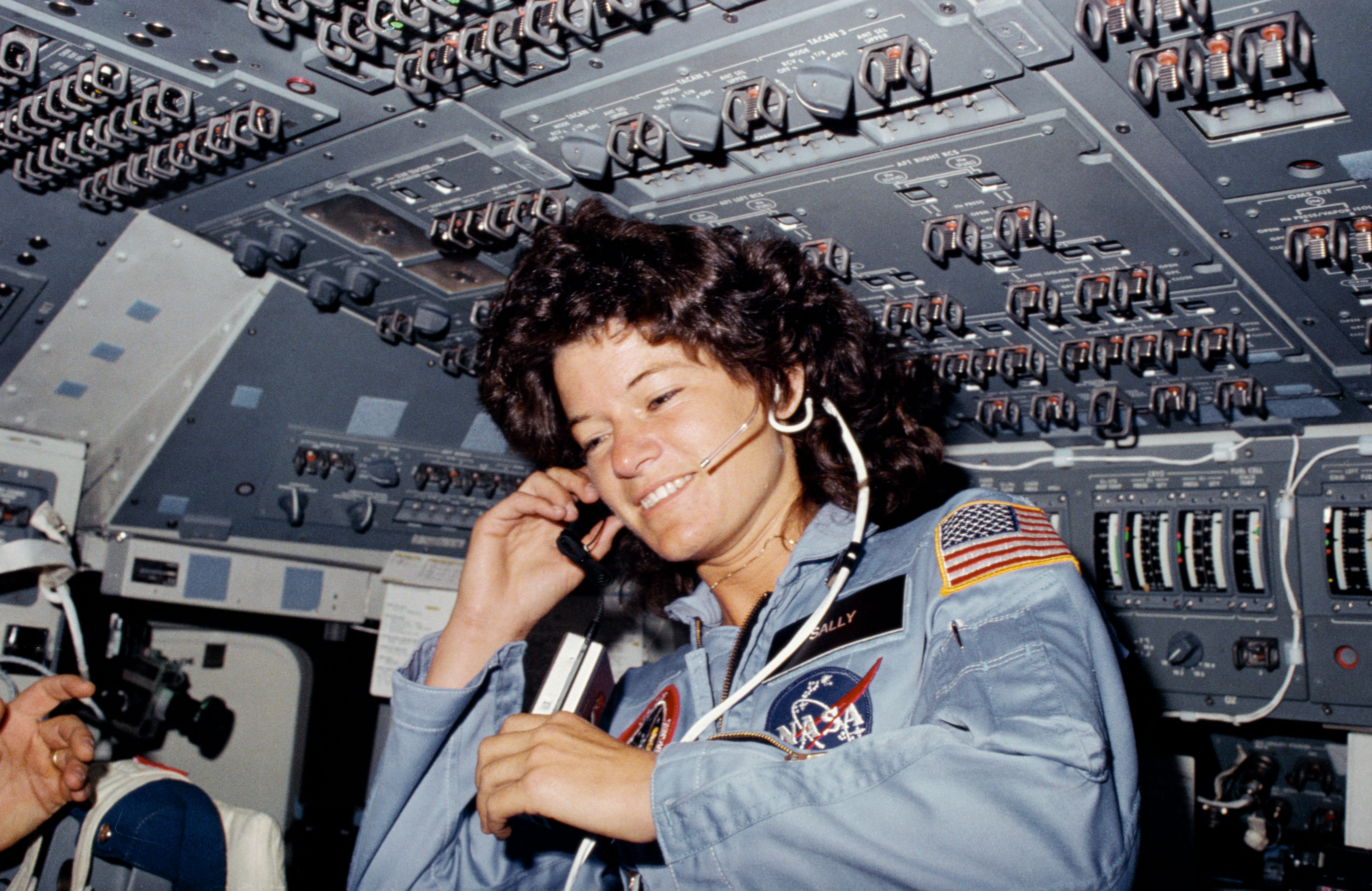
At 7:33 on the morning of 18 June 1983, a 32-year-old astrophysicist named Sally Ride rode Challenger off Pad 39A and became the first American woman in space. She got there two decades after the Soviets, and only after months of being asked whether spaceflight would damage her reproductive organs and whether she planned to cry.
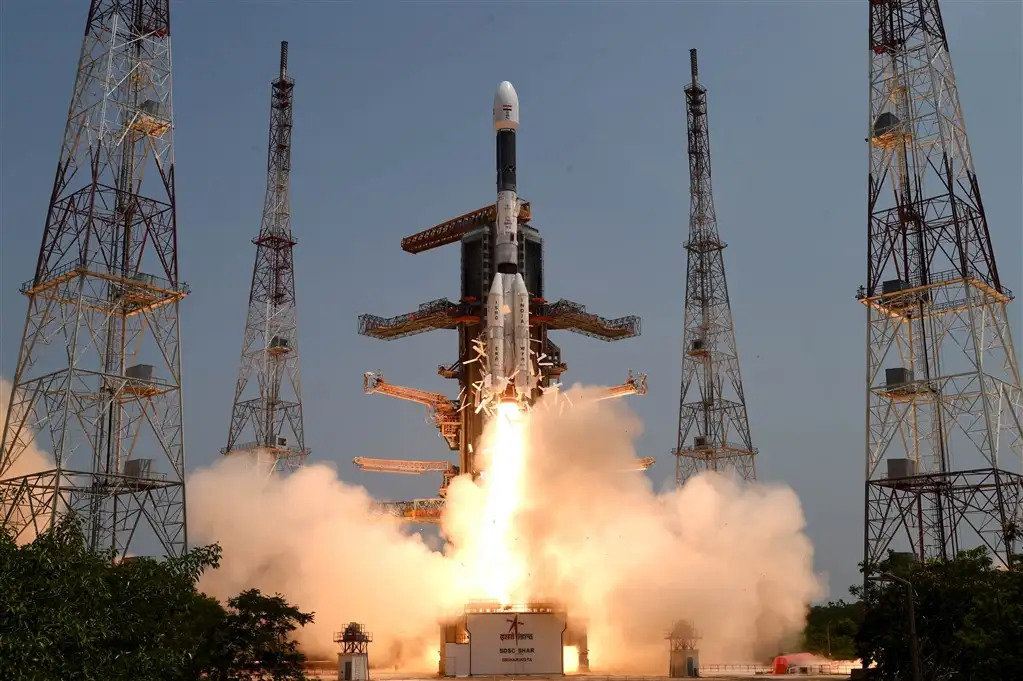
Focus on Varda's second mission launch, new U.S. Defense Department tool for satellite anomaly investigation, and a detailed Satellite Spotlight on CELESTIS 21/Varisat 1C.
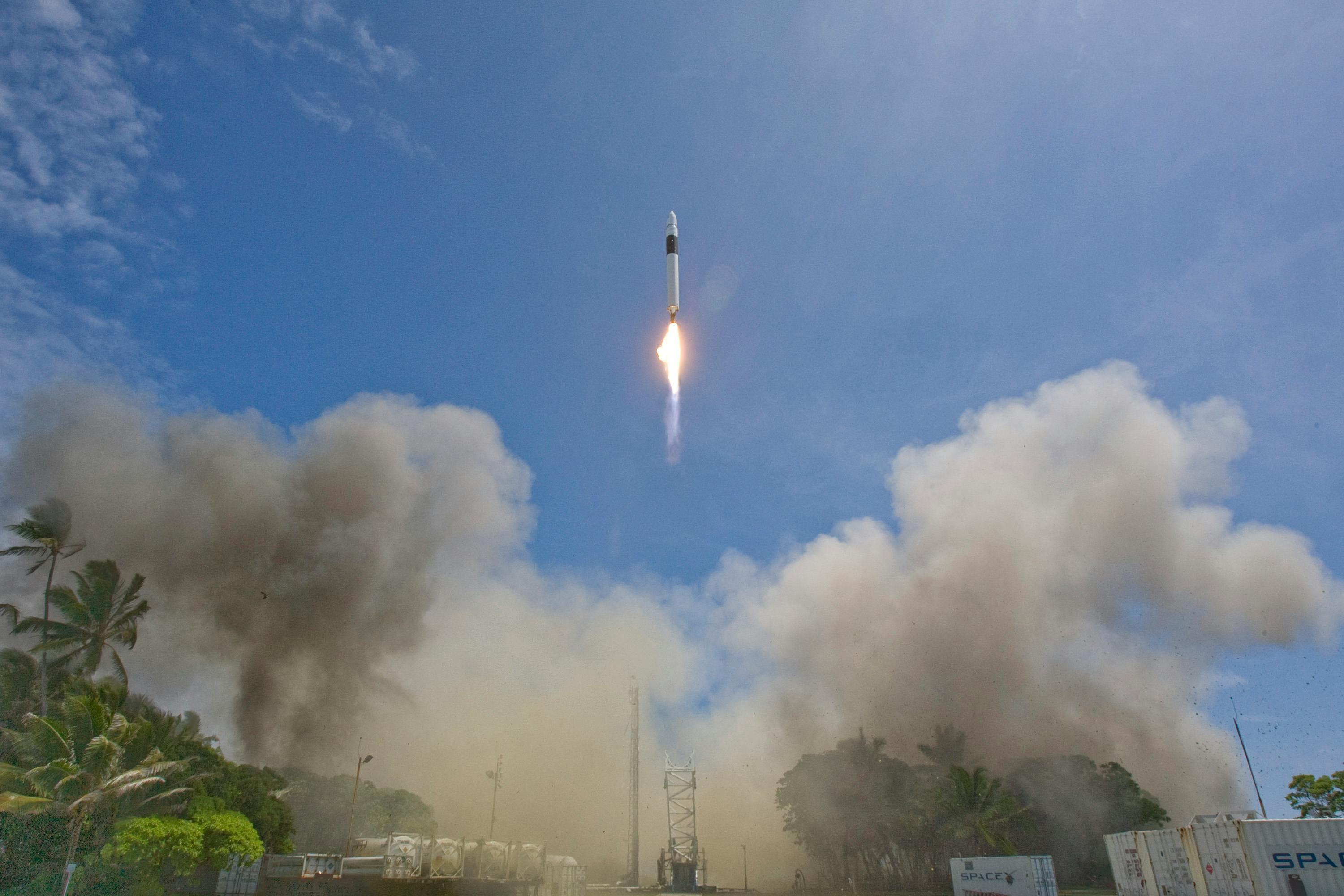
SpaceX's third rideshare mission of 2026 delivered South Korea's CAS500-2 imager and 45 secondary payloads to Sun-synchronous orbit on Falcon 9.

MDA Space acquires Blue Canyon Technologies for $620 million, and NASA's 2028 Aeolus Mars orbiter goes to a California startup instead of SpaceX.

SpaceX successfully launches 28 Starlink satellites on a new Falcon 9 rocket from California, marking a significant milestone for their satellite constellation.
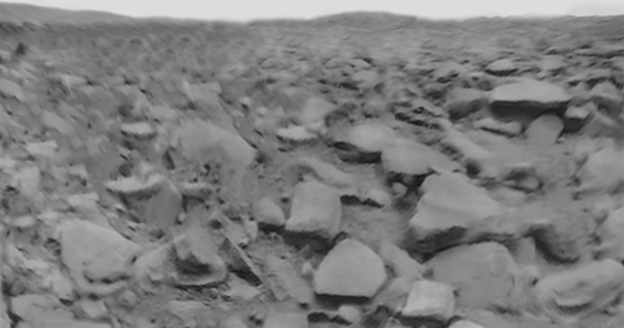
On December 15, 1970, a battered Soviet probe accomplished something no spacecraft had done before - it survived landing on another world and lived to tell about it.