


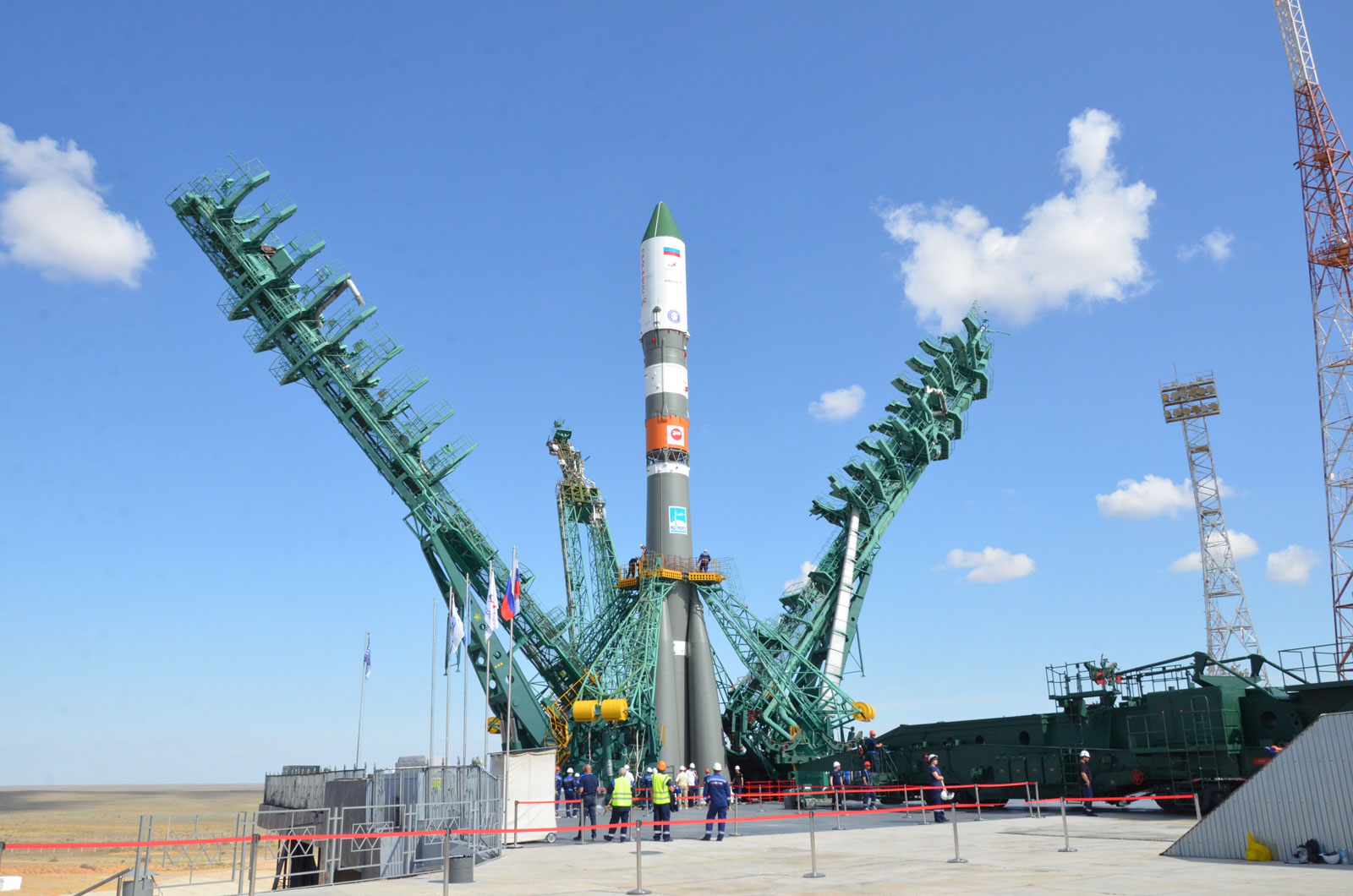
Space Brief 8 Aug 2025
Today's brief highlights significant shifts in military space spending due to the Golden Dome program, the U.S. Space Force's advancements in tactical satellite communications, and NASA's race to nuclear power in space.



Launch Date
August 18, 1966
Launch Site
AFWTR
Launch Pad
SLC5
Launch Vehicle
Scout A
NORAD ID
02702
International Designator
1966-076D
Epoch
Sun, 19 Jul 2026 15:05:49 GMT
Apogee
Calculating...
Perigee
Calculating...
Inclination
88.56°
Right Ascension
253.29°
Eccentricity
Calculating...
Argument of Perigee
183.69°
Period
107.74 min
Mean Motion
13.37 rev/day
Latitude
Calculating...
Longitude
Calculating...
Altitude
Calculating...
Velocity
Calculating...
Name
SCOUT A DEB
Alternative Name
NNS O-10 despin weight
Type
Status
Owner
NAVAIR
Country
United States
Constellation
N/A
Related Satellites
Major Events
N/A
1 02702U 66076D 26200.62904653 .00000016 00000+0 71574-5 0 9996
2 02702 88.5637 253.2870 0087977 183.6940 335.6304 13.36563119900669
Source: Celestrak
Length
0
Diameter
0
Span
0
Dry Mass
0
Launch Mass
0
Shape
N/A
Radar Cross Section
0.0526
Visual Magnitude
Unknown
Color
Unknown
Material Composition
Unknown
Payload
Transit high deb
Purpose
Unknown
Mission
Unknown
Manufacturer
Unknown
Life Expectancy
Unknown
Bus
Unknown
Configuration
Unknown
Motor
Unknown
Equipment
Unknown
Power System
Unknown
ADCS
Unknown
Transmitter Frequency
Unknown
Learn more about satellites and other related topics.
Today's brief highlights significant shifts in military space spending due to the Golden Dome program, the U.S. Space Force's advancements in tactical satellite communications, and NASA's race to nuclear power in space.

In 2024, China launched 68 orbital missions. In 2025, the number jumped to 97. In 2026, state media and Western analysts agree the target is 140 or more. Most of that growth is being driven by two state-backed mega-constellations, a half-dozen private launch companies hitting stride, and a deliberate national pivot toward commercial space. Beijing is no longer trying to catch SpaceX. It is trying to build an industrial base that outlasts one.
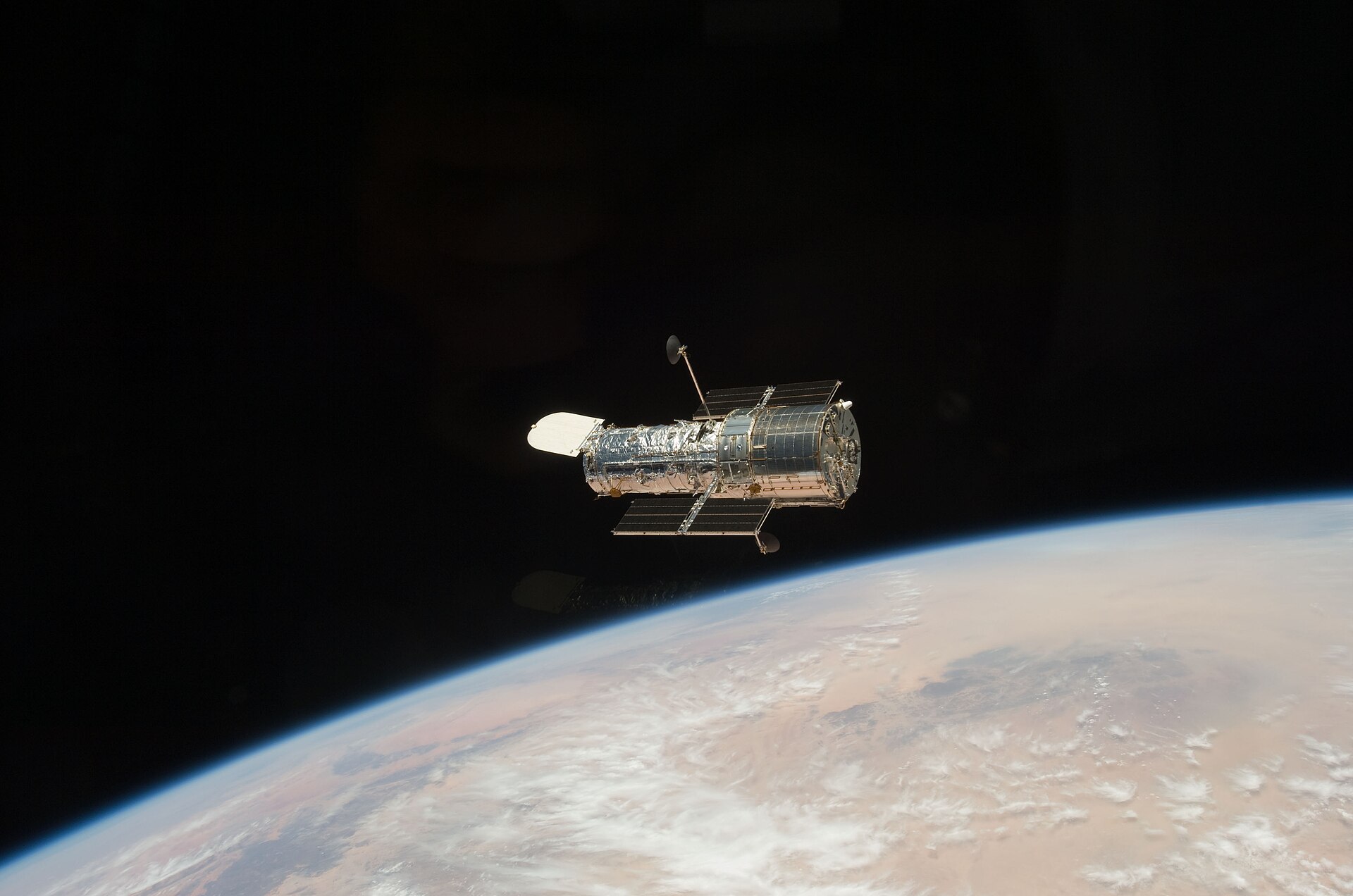
On April 25, 1990, the Space Shuttle Discovery's robotic arm lifted a 11,110-kilogram barrel of mirrors and instruments out of the payload bay and released it into orbit. Six weeks later, the first images came back badly out of focus. The Hubble Space Telescope had been ground to the wrong prescription, and America had just spent $2.5 billion on what the press was calling a 'technoturkey.'
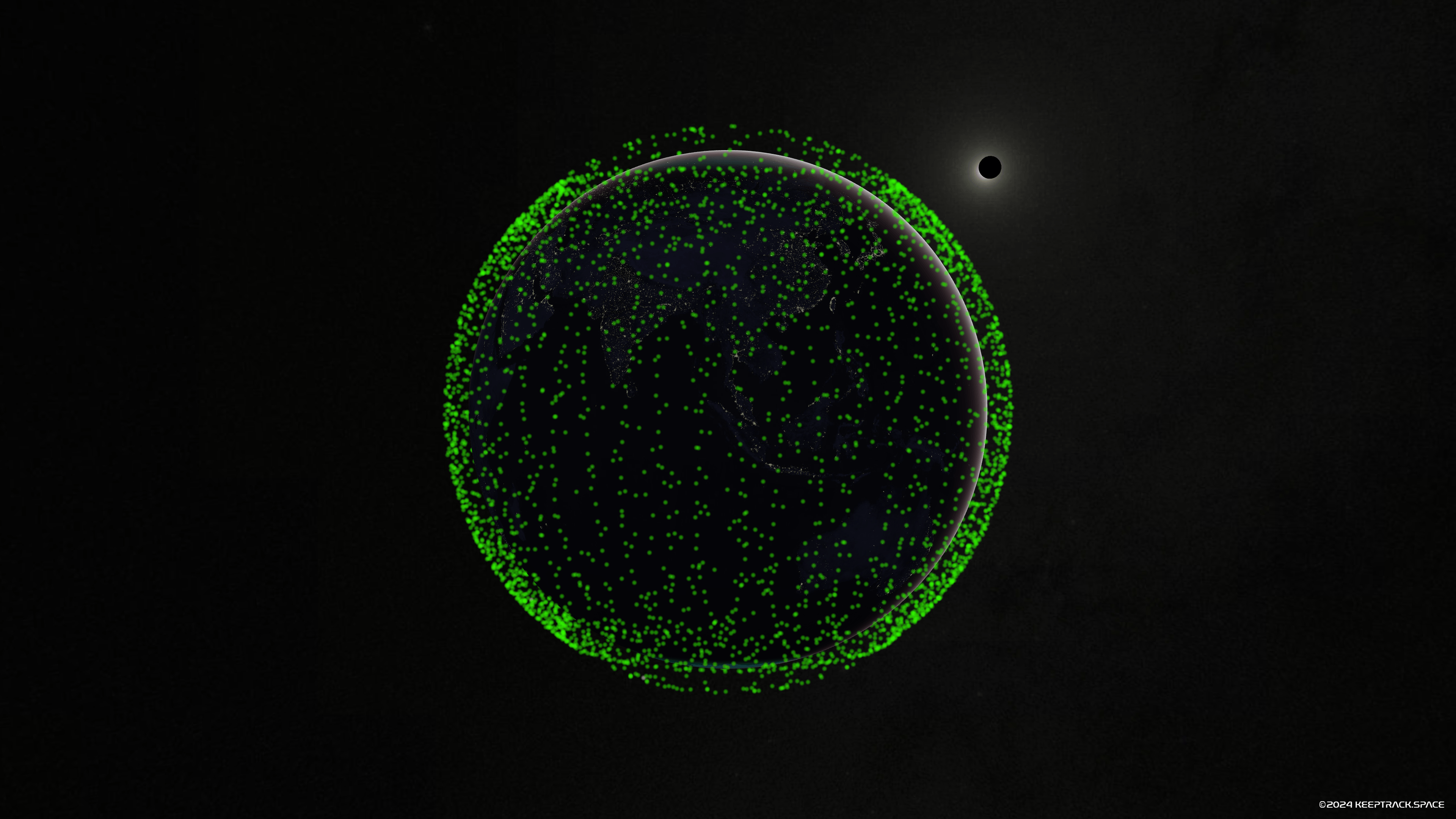
SpaceX's Starlink constellation has grown at an astonishing rate, now accounting for over 20% of all trackable objects in orbit. With plans for tens of thousands more, Starlink is on the cusp of forever changing the landscape of Earth's near-space environment.

Today's brief covers Millennium's milestone in missile defense, new satellite jammer for Space Force, budget increases for defense, delays in MEO satellite contracts, and potential impacts of Trump's latest order on Pentagon programs.

GAO warns SDA missile-tracking satellite program overestimates tech readiness. SPACECOM pushes expanded on-orbit warfighting exercises. Congress advocates for enhanced GPS anti-jam capabilities.
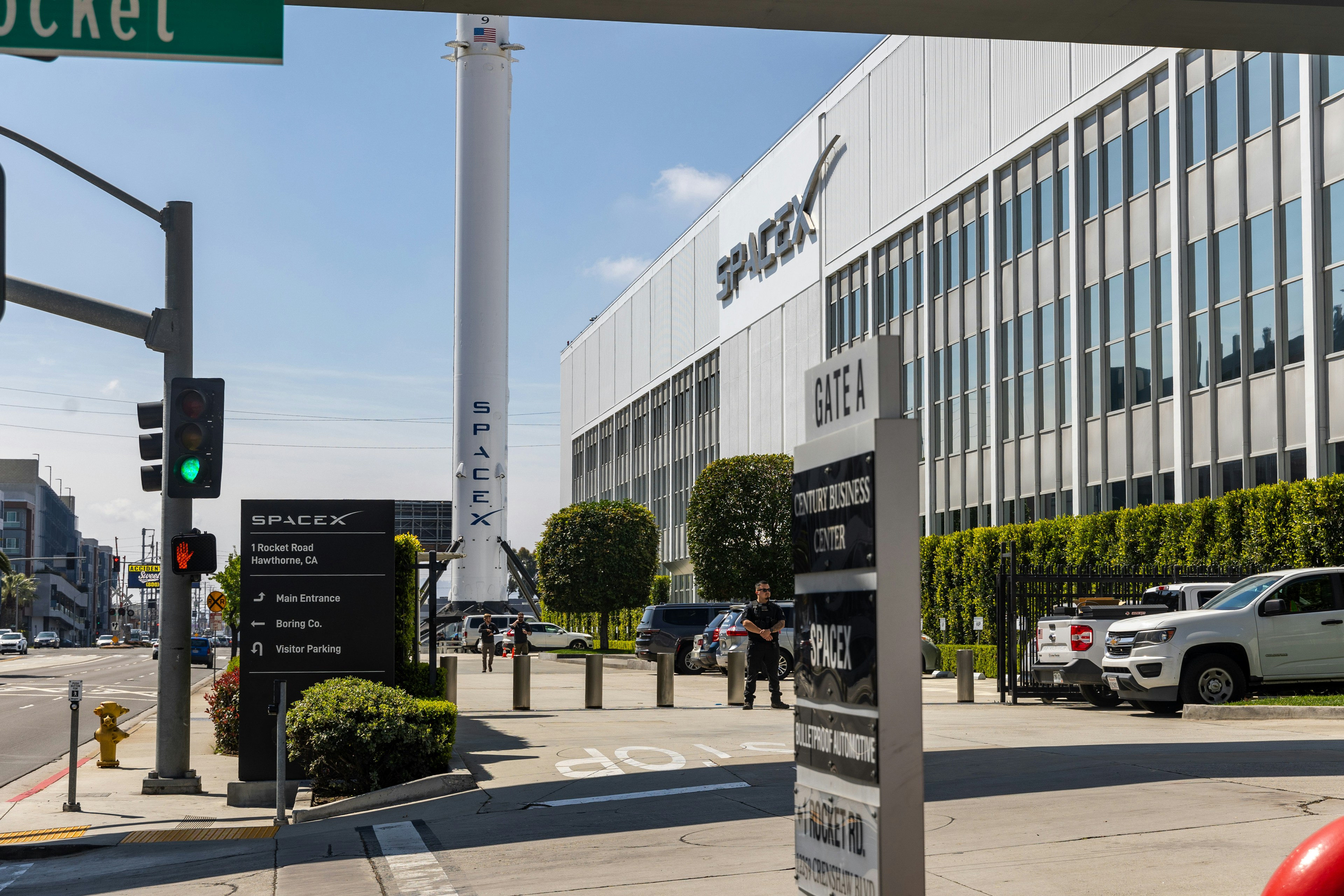
Crew-11 prepares for historic first ISS medical evacuation via Crew Dragon. Lufthansa Group to equip all 850 aircraft with Starlink. Starship infrastructure advances at Starbase and Cape Canaveral.
Today's Space Brief highlights Globalstar's new military focus, technological innovations in the Army's tactical systems, and a deeper look at key military satellite communications developments.