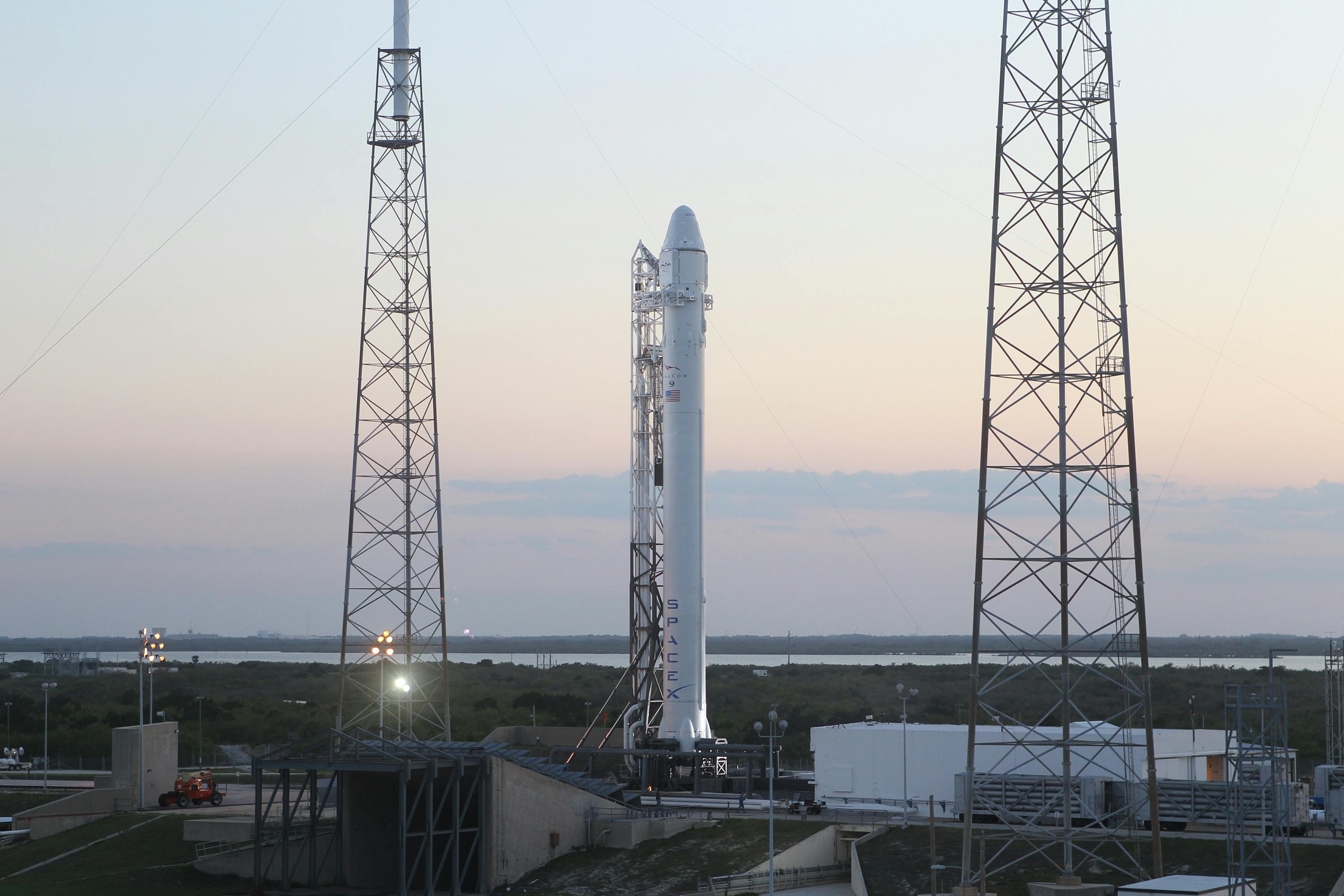
ATLAS D DEB (02234)

COSPAR: 1966-046L | Alt Name: deb Atlas 5304
DECAYED

Image
ATLAS D DEB Satellite Image
Additional Sources
Launch Details

Launch Date

June 1, 1966

Launch Pad

LC14

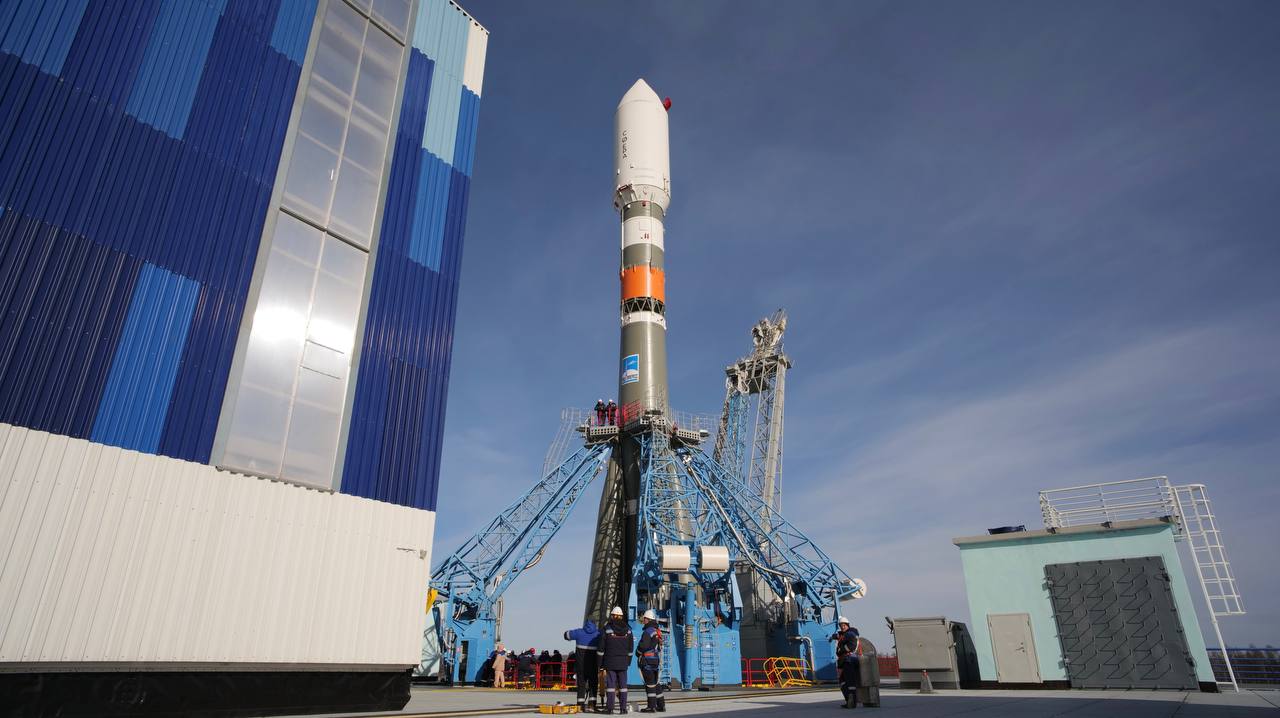
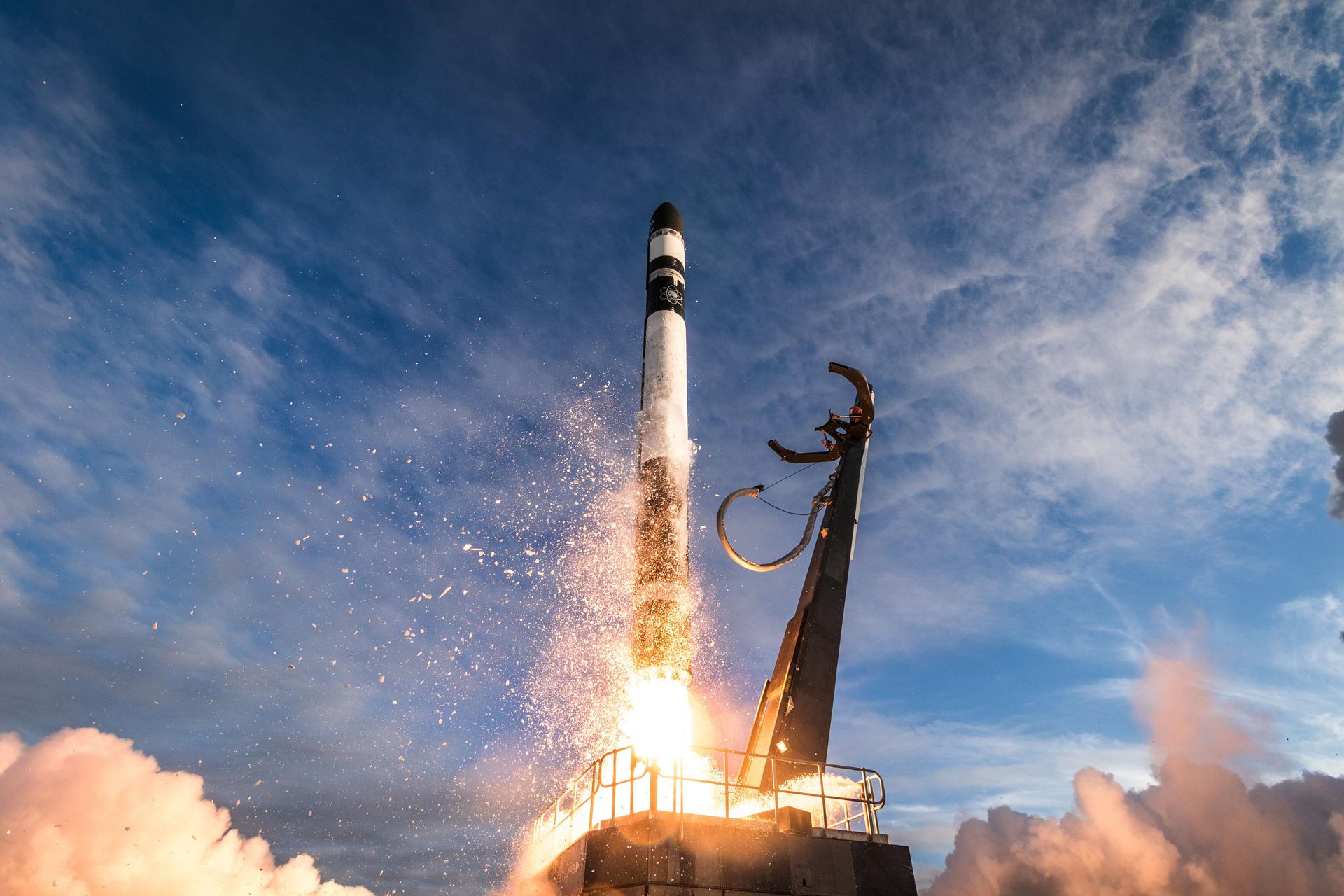
Launch Vehicle

Atlas SLV-3

Orbital Elements

NORAD ID

02234

International Designator

1966-046L

Decay Date

6/23/1966

Basic Satellite Info

Name

ATLAS D DEB

Alternative Name

deb Atlas 5304

Type

Debris

Status

Space Junk

Owner

LERC/AFSSD

Country

United States

Constellation

N/A

Related Satellites

Major Events

N/A

Summary
Space debris, also known as space junk, encompasses all non-functional objects orbiting Earth such as defunct satellites, spent rocket stages, and fragments from collisions or disintegrations. Over time, this debris can accumulate and create an increasingly hazardous environment in orbit. Even tiny fragments, traveling at extremely high velocities, can inflict significant damage on operational satellites and spacecraft. If left unmanaged, the density of debris raises the risk of catastrophic collisions and further fragmentation, compounding the problem and threatening the safety and sustainability of space activities.
Physical Characteristics

Length

0

Diameter

0

Span

0

Dry Mass

0

Launch Mass

0

Shape

N/A

Radar Cross Section

Unknown

Visual Magnitude

Unknown

Color

Unknown

Material Composition

Unknown

Technical Details

Payload

Unknown

Purpose

Unknown

Mission

Unknown

Manufacturer

Unknown

Life Expectancy

Unknown

Bus

Unknown

Configuration

Unknown

Motor

Unknown

Equipment

Unknown

Power System

Unknown

ADCS

Unknown

Transmitter Frequency

Unknown

Satellite Articles

View All Posts »

Learn more about satellites and other related topics.

X Report 5 Dec 2025

X Report 5 Dec 2025

SpaceX made significant strides with the launch of 28 Starlink satellites while navigating regulatory challenges regarding rural broadband funding. Additionally, developments on the Crew Dragon mission continue to evolve with a change in cosmonaut assignment.

SpaceX Hits 10,000 Starlink Satellites in Orbit | KeepTrack Space Brief

SpaceX Hits 10,000 Starlink Satellites in Orbit | KeepTrack Space Brief

SpaceX surpassed 10,000 simultaneous Starlink satellites in orbit after Starlink 17-24 deployed 25 satellites from California. Milestone reached in under 7 years.

Space Brief 21 Nov 2024

Space Brief 21 Nov 2024

Today's brief covers influential space events including Space Force's interest in Starship, U.S. military constellation advancements, and technological developments in counter-drone capabilities.

Vulcan Booster Anomaly Under Scrutiny After USSF-87 Launch | KeepTrack Space Brief

Vulcan Booster Anomaly Under Scrutiny After USSF-87 Launch | KeepTrack Space Brief

ULA Vulcan faces scrutiny after solid booster anomaly on USSF-87 mission. ThinKom wins portable satellite ground station contract. Space Force starts Project Hecate for GPS past 2040.

Pentagon Pulls the Plug on GPS OCX | The $8 Billion Ground System That Never Worked

Pentagon Pulls the Plug on GPS OCX | The $8 Billion Ground System That Never Worked

On April 17, 2026, the U.S. Space Force officially cancelled the Next Generation Operational Control System after sixteen years of development, cost overruns, and testing failures. The $8 billion program was supposed to unlock the military's encrypted GPS signal. Instead, the satellites are flying with capabilities the ground can't command.

SpaceX Starfall Reentry Capsule Debuts, X Report 23 Jun 2026

SpaceX Starfall Reentry Capsule Debuts, X Report 23 Jun 2026

SpaceX Starfall reentry capsule debuted June 23: the 2,100 kg disk launched on a Falcon 9 from Cape Canaveral to demo cargo return from orbit.

Space Brief 19 Feb 2025

Space Brief 19 Feb 2025

Today's brief covers launches by SpaceX and mysterious Space Force missions, along with updates on Japan's moon lander and US-UAE defense deals.

X Report 9 Jan 2025

X Report 9 Jan 2025

Exciting advancements from SpaceX as Starshield satellites prepare for launch, Starship Flight 7 faces a short delay, and new Starlink satellites enter orbit.