


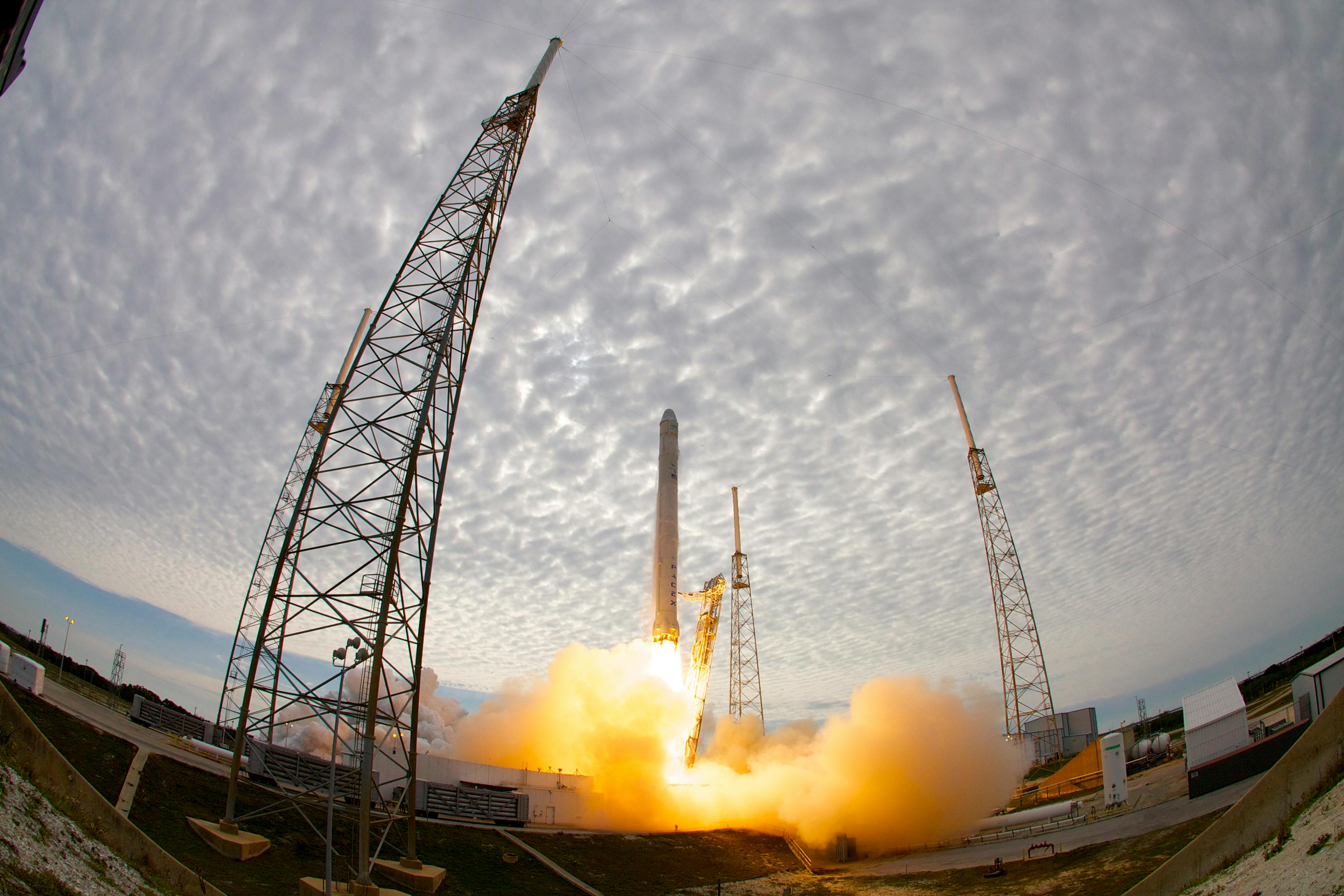
X Report 21 Nov 2025
SpaceX celebrates significant milestones with its 100th launch of the year, enhancing Starlink's coverage while preparing for an escalating Starship production cadence.


Launch Date
March 30, 1966
Launch Site
AFWTR
Launch Pad
ABRESB3
Launch Vehicle
Atlas D
NORAD ID
02123
International Designator
1966-025C
Epoch
Sun, 19 Jul 2026 12:55:02 GMT
Apogee
Calculating...
Perigee
Calculating...
Inclination
144.64°
Right Ascension
81.47°
Eccentricity
Calculating...
Argument of Perigee
136.59°
Period
105.42 min
Mean Motion
13.66 rev/day
Latitude
Calculating...
Longitude
Calculating...
Altitude
Calculating...
Velocity
Calculating...
Name
OV1-5 R/B
Alternative Name
OV1-5P
Type
Status
Owner
OAR
Country
United States
Constellation
N/A
Related Satellites
Major Events
N/A
1 02123U 66025C 26200.53822715 .00000266 00000+0 10862-4 0 9994
2 02123 144.6421 81.4721 0046338 136.5921 223.8407 13.65903808 9228
Source: Celestrak
Length
2.1
Diameter
0.7
Span
2.1
Dry Mass
125
Launch Mass
354
Shape
Cyl
Radar Cross Section
0.942
Visual Magnitude
Unknown
Color
Unknown
Material Composition
Unknown
Payload
X-258
Purpose
Unknown
Mission
Unknown
Manufacturer
ABL
Life Expectancy
Unknown
Bus
Altair
Configuration
Unknown
Motor
Unknown
Equipment
Unknown
Power System
Unknown
ADCS
Unknown
Transmitter Frequency
Unknown
Learn more about satellites and other related topics.
SpaceX celebrates significant milestones with its 100th launch of the year, enhancing Starlink's coverage while preparing for an escalating Starship production cadence.

Today's brief highlights the impact of military spending and technology competition on the space economy, new satellite connectivity partnerships, and defense spending pledges in Europe.

Today's focus spans critical developments in military space initiatives, strategic policy shifts, and modest steps in semiconductor advancements. Key developments include Rocket Lab's new U.S. Air Force contract, Sierra Space's progress in satellite programs, and potential policy changes under Trump's leadership.

Today's edition covers SpaceX scrubbing and successfully launching Starlink satellites, AI innovations in spacecraft propulsion, and the impact of SPHERE's debris disk survey in discovering hidden asteroid belts.
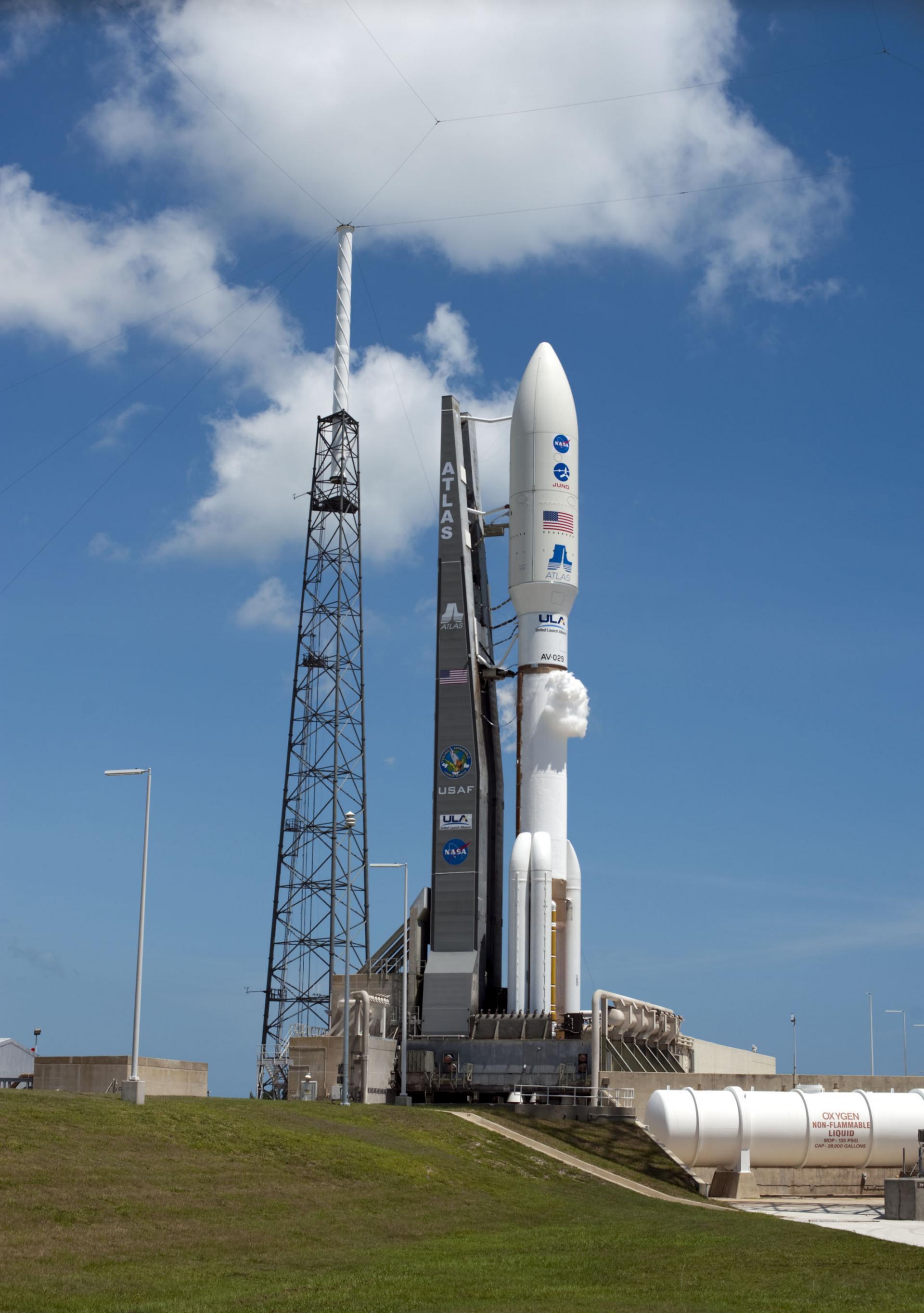
Falcon Heavy launched ViaSat-3 F3 on April 27, its 12th flight, with the first dual landing zone recovery. Plus Soyuz-5's demo flight nears at Baikonur.
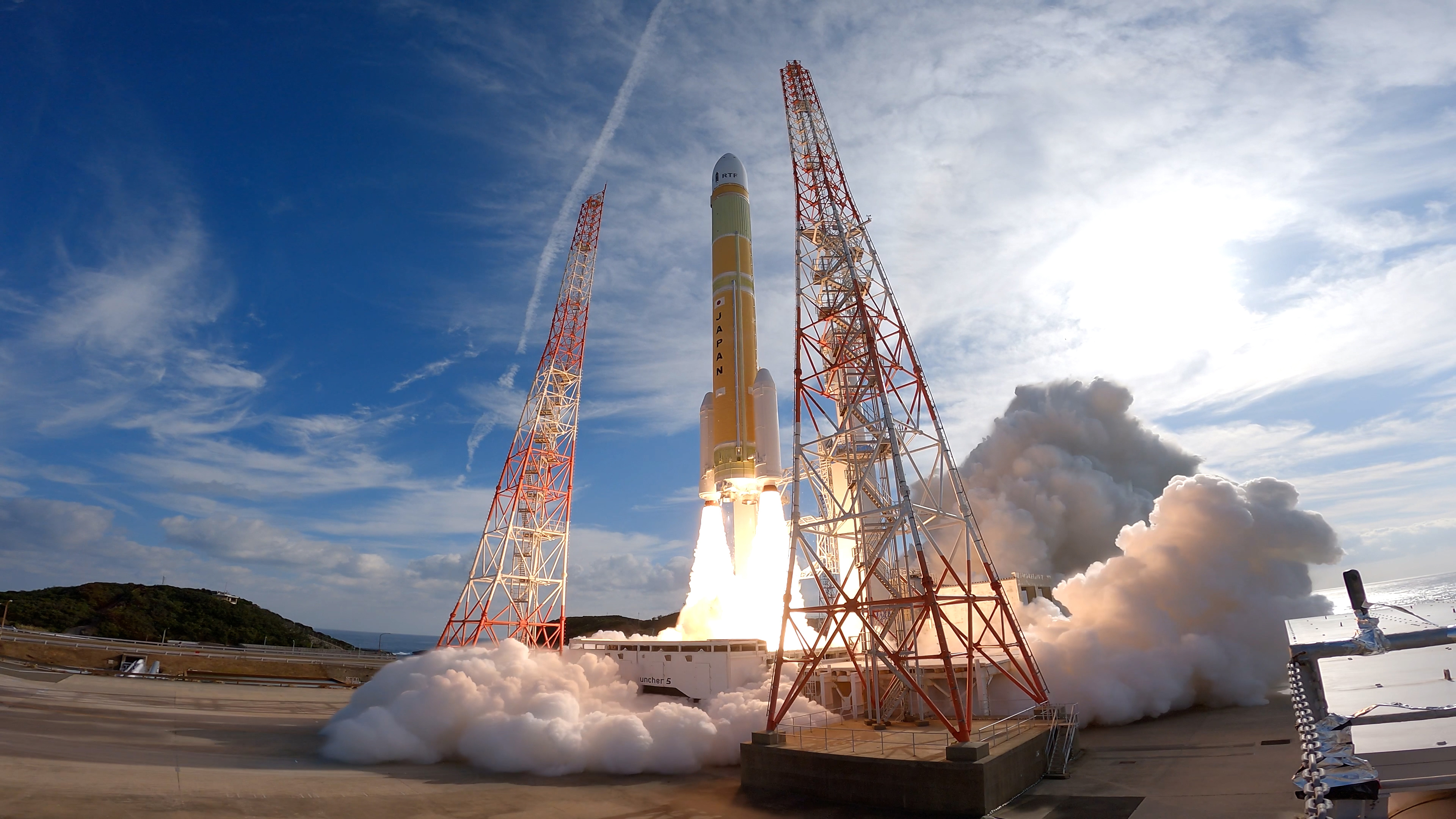
Today's highlights include new space-based interceptor developments, a UK space tracking partnership, a strategic satellite imagery alliance, and more.
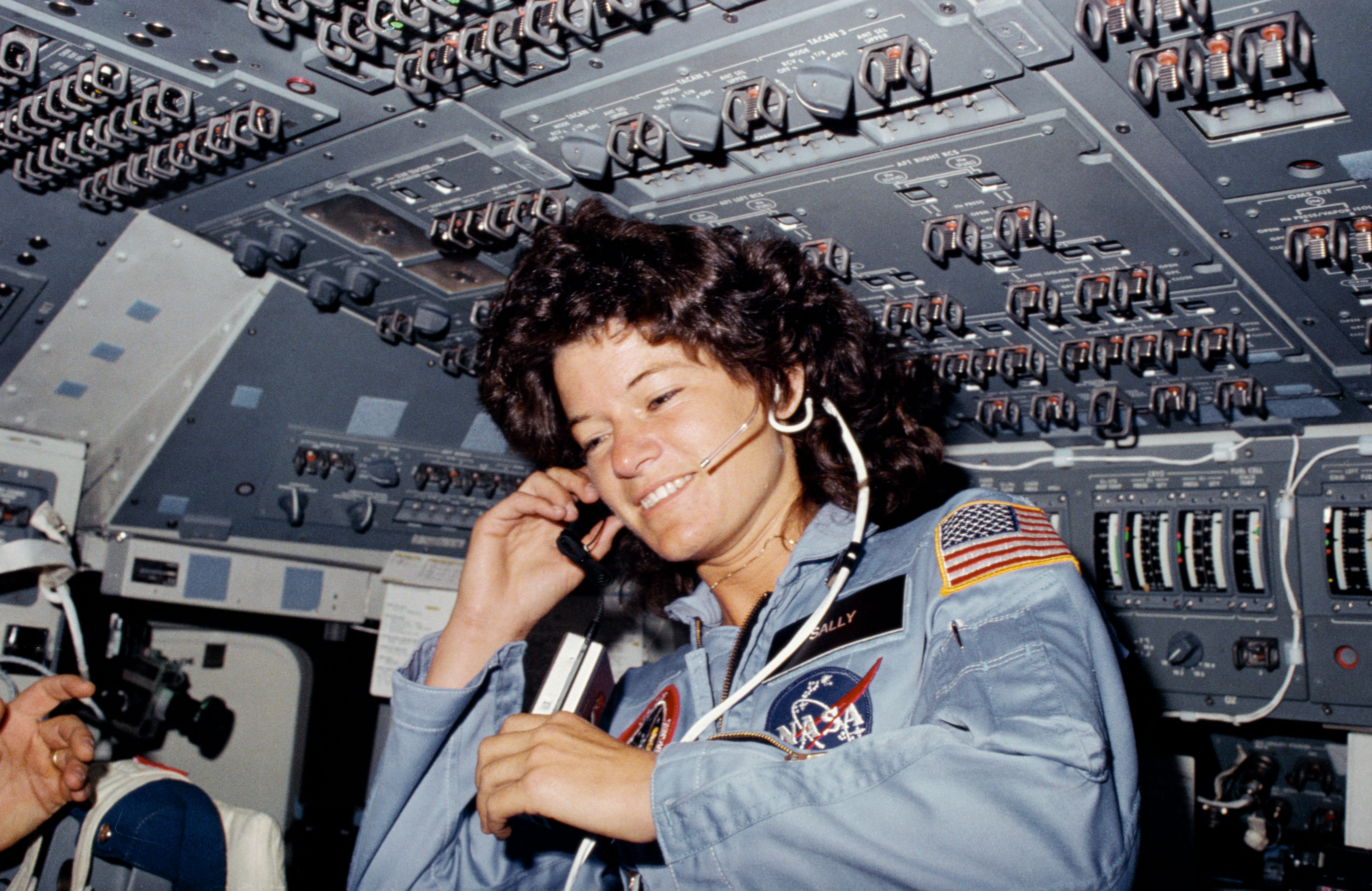
At 7:33 on the morning of 18 June 1983, a 32-year-old astrophysicist named Sally Ride rode Challenger off Pad 39A and became the first American woman in space. She got there two decades after the Soviets, and only after months of being asked whether spaceflight would damage her reproductive organs and whether she planned to cry.
Today's highlights include the Pentagon's report on China's military buildup, Innospace's upcoming launch plans, Starlink's rapid growth, China's significant space strides in 2025, and India's successful deployment of BlueBird 6.