


Space Brief 20 Dec 2025
Today's Space Brief focuses on multi-billion dollar contracts for missile-tracking satellites, developments in optical nuclear clock research, and innovative drone projects for military collaboration.



Launch Date
October 15, 1965
Launch Site
Launch Pad
LC40
Launch Vehicle
Titan IIIC
NORAD ID
01671
International Designator
1965-082AJ
Epoch
Sun, 19 Jul 2026 18:44:57 GMT
Apogee
Calculating...
Perigee
Calculating...
Inclination
32.16°
Right Ascension
223.14°
Eccentricity
Calculating...
Argument of Perigee
160.81°
Period
99.04 min
Mean Motion
14.54 rev/day
Latitude
Calculating...
Longitude
Calculating...
Altitude
Calculating...
Velocity
Calculating...
Name
TITAN 3C TRANSTAGE DEB
Alternative Name
deb Transtage 4
Type
Status
Owner
AFSSD
Country
United States
Constellation
N/A
Related Satellites
Major Events
N/A
1 01671U 65082AJ 26200.78122566 .00000146 00000+0 25158-4 0 9998
2 01671 32.1595 223.1433 0052016 160.8055 199.4561 14.54024792191148
Source: Celestrak
Length
0
Diameter
0
Span
0
Dry Mass
0
Launch Mass
0
Shape
N/A
Radar Cross Section
0.1494
Visual Magnitude
Unknown
Color
Unknown
Material Composition
Unknown
Payload
Unknown
Purpose
Unknown
Mission
Unknown
Manufacturer
Unknown
Life Expectancy
Unknown
Bus
Unknown
Configuration
Unknown
Motor
Unknown
Equipment
Unknown
Power System
Unknown
ADCS
Unknown
Transmitter Frequency
Unknown
Learn more about satellites and other related topics.
Today's Space Brief focuses on multi-billion dollar contracts for missile-tracking satellites, developments in optical nuclear clock research, and innovative drone projects for military collaboration.
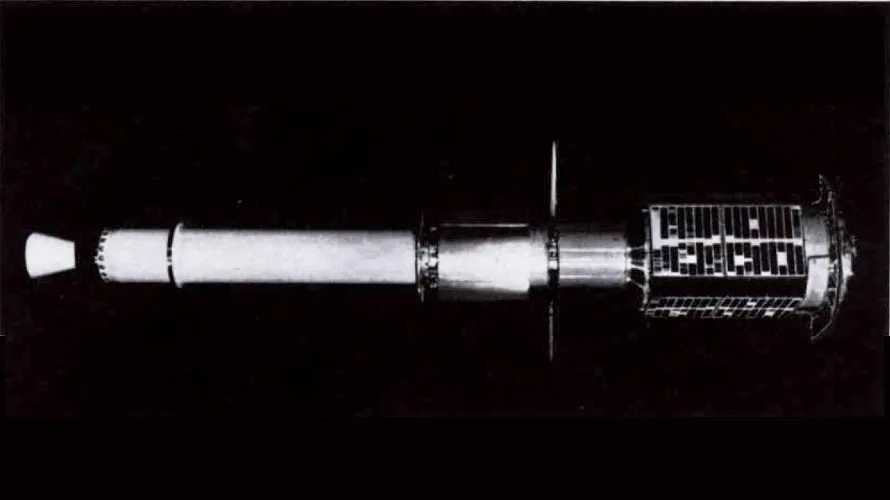
On April 27, 1961, a Scout rocket lifted a 37-kilogram NASA satellite into orbit from Wallops Island carrying the first serious instrument for detecting cosmic gamma rays. Explorer 11 operated for seven months before its tape recorder failed. In that time it registered 22 gamma-ray photons - a pitiful number by modern standards, but enough to launch an entire branch of astronomy.
Starlink satellite count for April 2026: 10,177 in orbit, 10,168 working from 11,724 launched. No new anomalies, four reentries expected Apr 5-7.
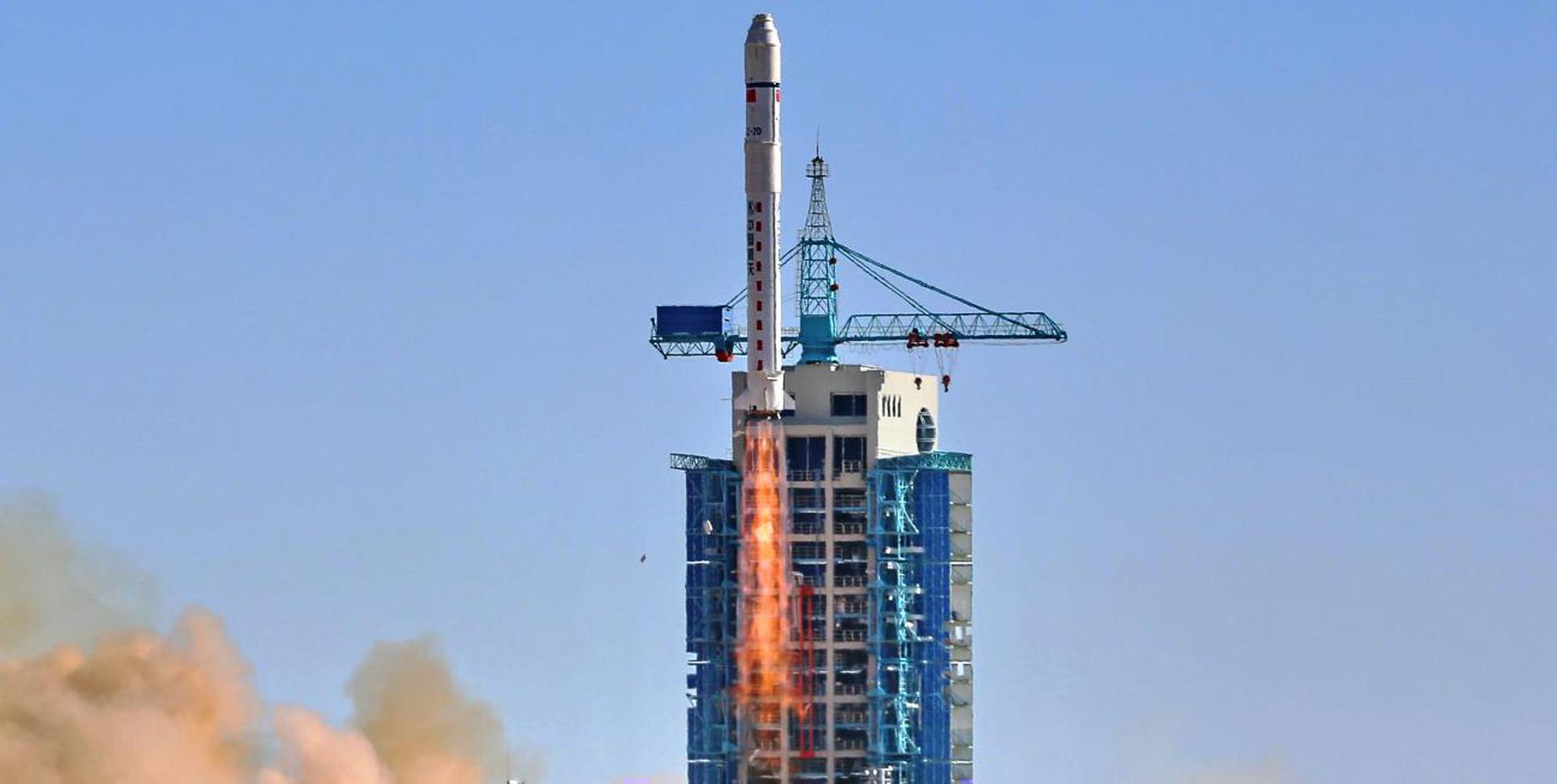
Today's brief covers China's Tianzhou-9 launch to the Tiangong space station, the U.S. Space Force's unfunded MILNET project, and the evolving use of AI in military applications.

SpaceX delays the launch of 23 Starlink satellites due to geomagnetic storm concerns, adjusting the schedule for an upcoming Falcon 9 mission.
White House directs NASA and Pentagon to field space nuclear power systems by 2028, with DoD demonstration required by 2031. Game-changer for military satellite power budgets.
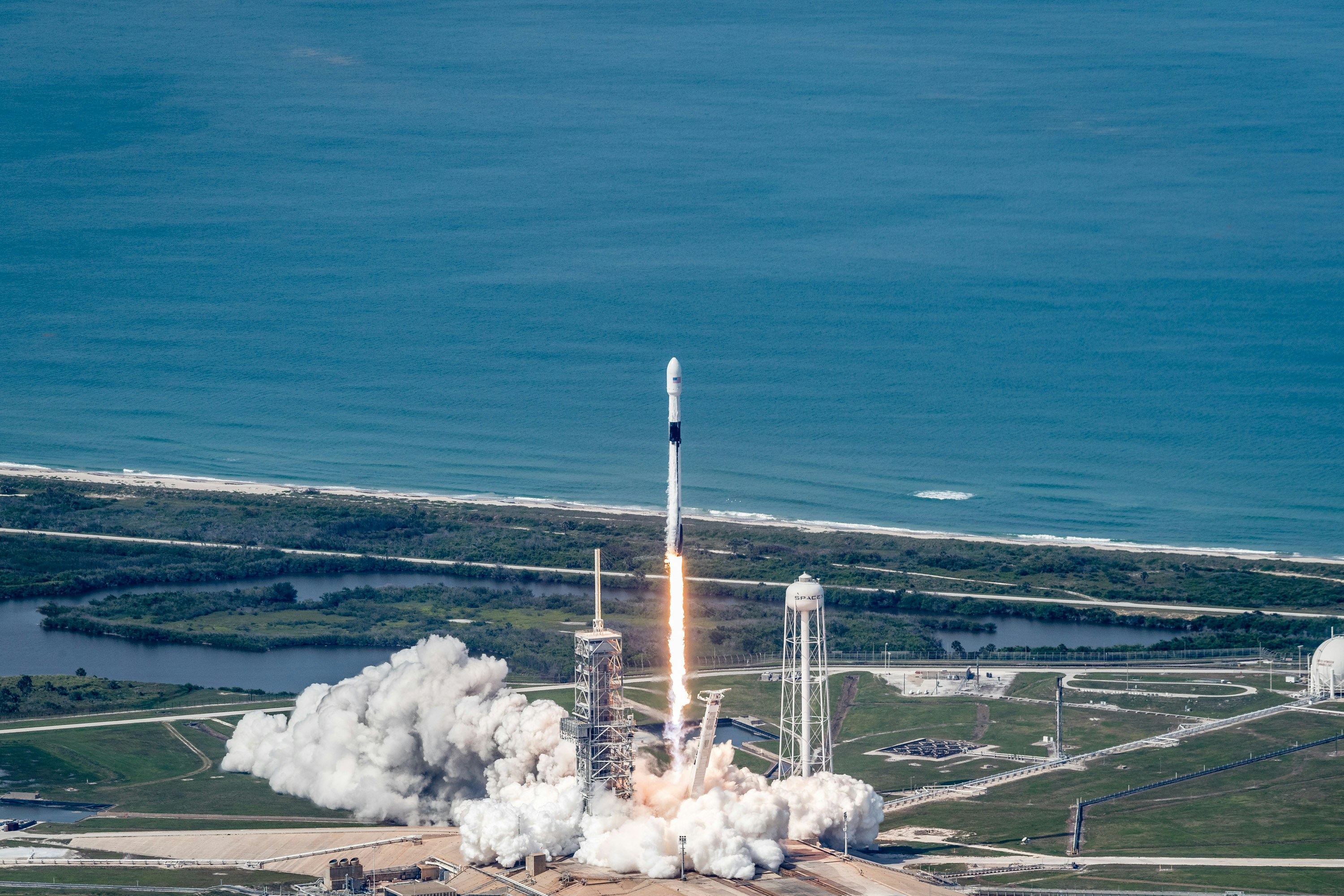
Key updates include a successful Falcon 9 launch of 28 Starlink satellites and a static fire test of the Starship spacecraft, while T-Mobile's Starlink service aims to attract new customers.
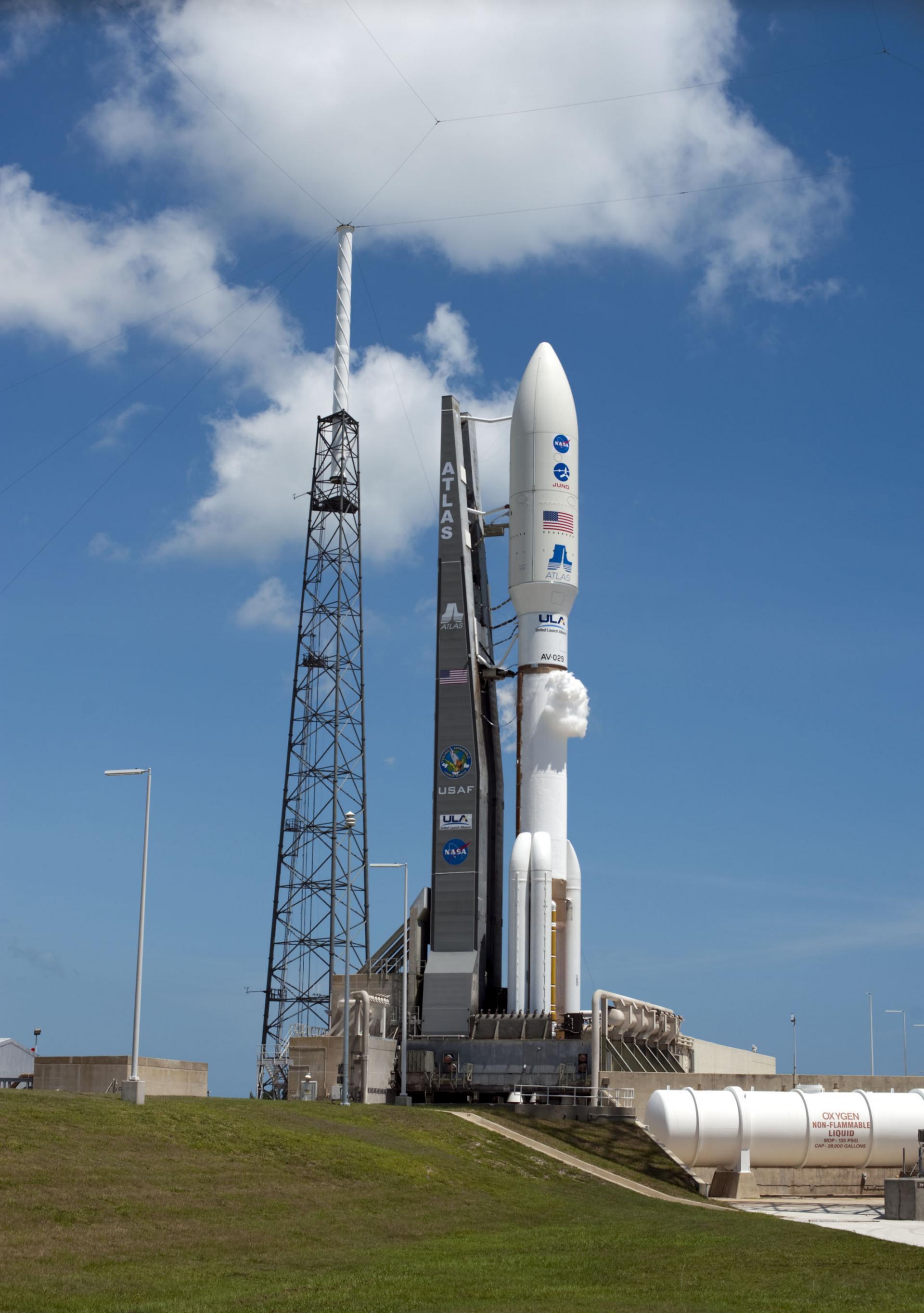
Today's coverage includes China's recent satellite launch, the Space Force's challenges with current tracking capabilities, and advancements in nuclear propulsion from Ohio State.