ATLAS AGENA D R/B (01474)

COSPAR: N/A | Alt Name: Agena D 4818
DECAYED

Image
ATLAS AGENA D R/B Satellite Image
Additional Sources
Launch Details

Launch Date

August 3, 1965

Launch Site

AFWTR

Launch Pad

Unknown

Launch Vehicle

Unknown

Orbital Elements

NORAD ID

01474

International Designator

N/A

Decay Date

8/6/1965

Basic Satellite Info

Name

ATLAS AGENA D R/B

Alternative Name

Agena D 4818

Type

Rocket Body

Status

Space Junk

Owner

AFSSD

Country

United States

Constellation

N/A

Related Satellites

Major Events

N/A

Summary
A rocket body, also commonly referred to as an upper stage or spent rocket stage, is the structural shell left behind after a rocket has delivered its payload to orbit. These large and often heavy pieces of space hardware can remain in orbit for years, posing significant collision hazards as part of the growing space debris problem. If left uncontrolled, rocket bodies have the potential to reenter Earth's atmosphere unpredictably, which can lead to falling debris in populated areas. Additionally, they risk colliding with operational satellites or the International Space Station, creating more debris and putting human life at risk.
Physical Characteristics

Length

6.3

Diameter

1.5

Span

6.3

Dry Mass

600

Launch Mass

600

Shape

Cyl

Radar Cross Section

Unknown

Visual Magnitude

Unknown

Color

Unknown

Material Composition

Unknown

Technical Details

Payload

Agena D

Purpose

Unknown

Mission

Unknown

Manufacturer

LMSC

Life Expectancy

Unknown

Bus

Agena D

Configuration

Unknown

Motor

Unknown

Equipment

Unknown

Power System

Unknown

ADCS

Unknown

Transmitter Frequency

Unknown

Satellite Articles

View All Posts »

Learn more about satellites and other related topics.

Space Brief 2 Dec 2024

Space Brief 2 Dec 2024

Today's space updates include a new EU space commissioner's priorities, insights from declassified satellite images, and an update on NASA's Europa Clipper mission. A highlight in the Satellite Spotlight features the Russian satellite COSMOS 2070.

X Report 2 Apr 2025

X Report 2 Apr 2025

SpaceX's Fram2 mission marks a historic first in polar orbit travel, while DARPA unexpectedly detects Falcon 9 reentry using atmospheric listening.

Pentagon Gives Anthropic Friday Deadline on AI Policy, Vulcan Still Grounded | KeepTrack Space Brief

Pentagon Gives Anthropic Friday Deadline on AI Policy, Vulcan Still Grounded | KeepTrack Space Brief

Pentagon gives Anthropic Friday deadline to loosen military AI policy. Space Force keeps Vulcan grounded over booster issue. Funding boost speeds missile-tracking satellites.

China Caps Record Year With 92 Orbital Launches, New Reusable Rocket Planned | KeepTrack Space Brief

China Caps Record Year With 92 Orbital Launches, New Reusable Rocket Planned | KeepTrack Space Brief

China hits record 92 orbital launches in 2025. Vandenberg opens new launch site for providers. Former ULA CEO Tory Bruno joins Blue Origin for national security projects.

X Report 14 Nov 2024

X Report 14 Nov 2024

SpaceX prepares for Starship Flight 6 as it readies another doubleheader Starlink launch day, while NASA navigates a complex presidential transition.

The Moon Landing That Almost Didn't Happen

The Moon Landing That Almost Didn't Happen

Six hours behind schedule, with a backup engine system shuddering in lunar orbit and mission controllers in Houston running out of options, Apollo 16 came within one meeting of being sent home without landing. The problem was a wobble in a gimbal. The solution was math done under pressure.

Space Brief 18 Aug 2025

Space Brief 18 Aug 2025

Today's Space Brief covers significant satellite launches by SpaceX, an automated collision avoidance system development, Rocket Lab's strategic acquisition, and the rise of corporate-named satellites in orbit.

The Day Superpowers Shared Space

The Day Superpowers Shared Space

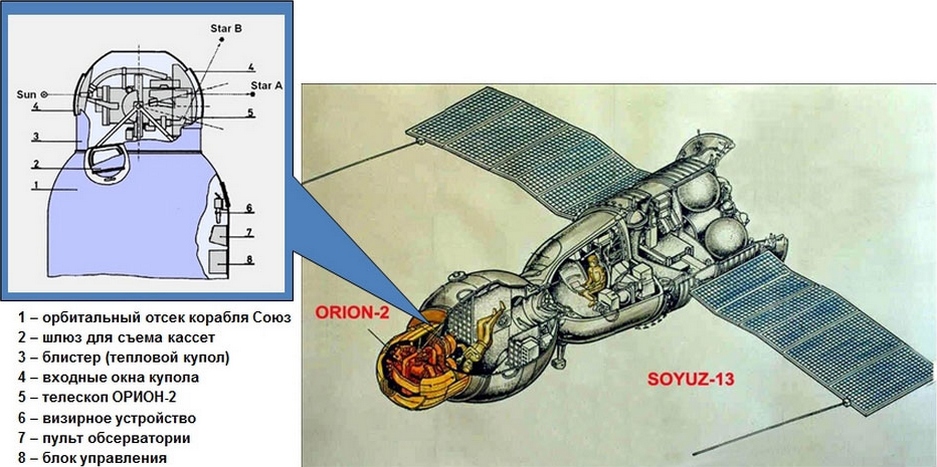
Exactly 52 years ago today, the Soviet Union launched Soyuz 13 - a scientific mission that marked the first time American astronauts and Soviet cosmonauts orbited Earth simultaneously. Armed with a revolutionary ultraviolet telescope, Pyotr Klimuk and Valentin Lebedev would discover elements never before seen in distant nebulae.