


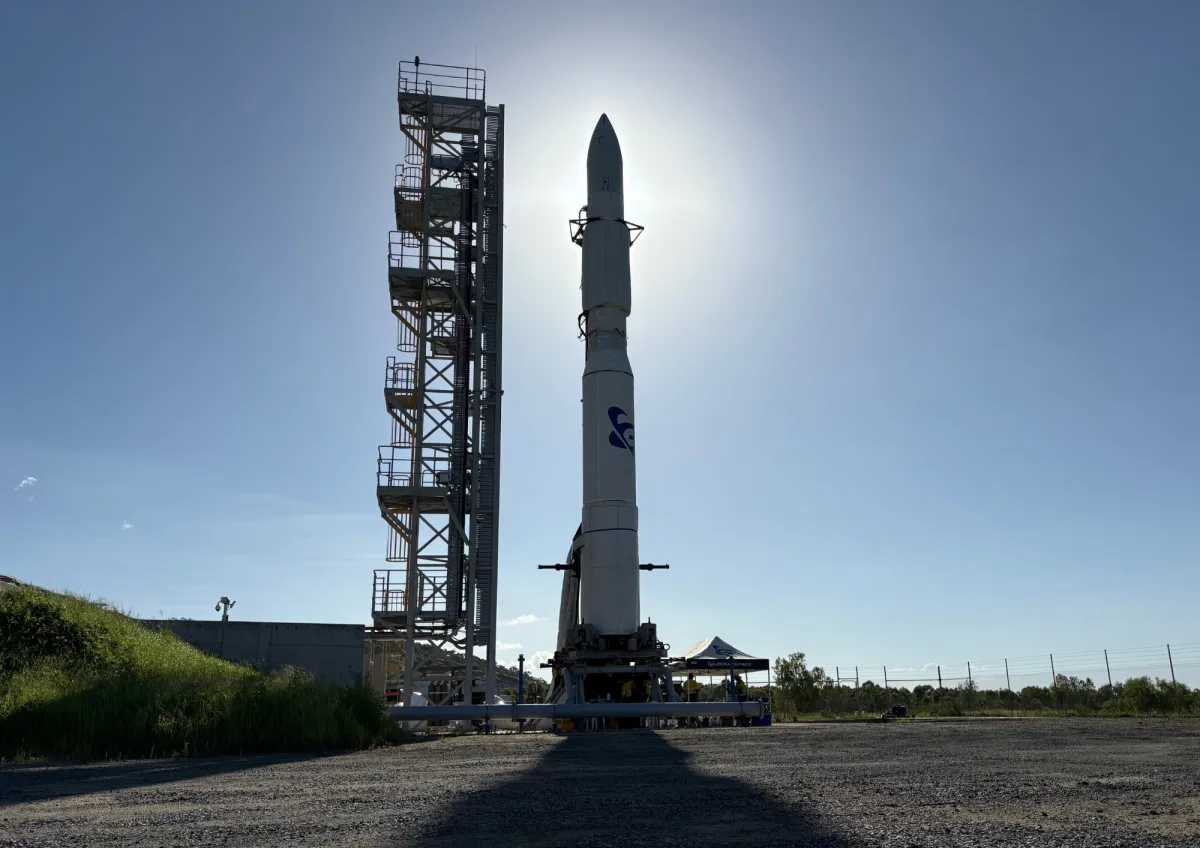
Space Brief 6 Apr 2025
Today, we explore substantial U.S. defense contracts awarded for space launches, ESA's enigmatic Euclid images release, and SpaceX missions covering satellite launches and astronaut reentries.


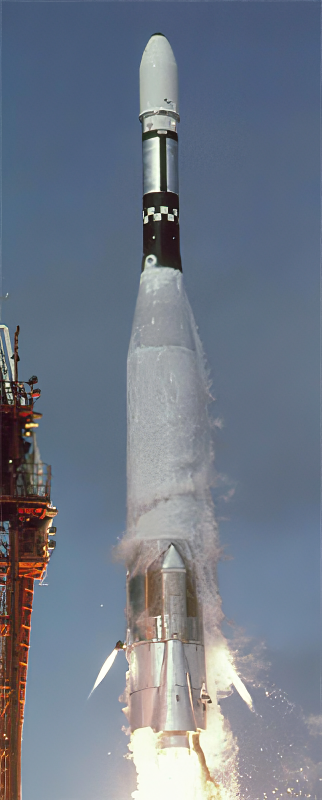
Launch Date
July 20, 1965
Launch Site
Launch Pad
LC13
Launch Vehicle
Atlas Agena D
NORAD ID
01458
International Designator
1965-058A
Epoch
Tue, 21 Jul 2026 23:06:27 GMT
Apogee
Calculating...
Perigee
Calculating...
Inclination
29.20°
Right Ascension
14.74°
Eccentricity
Calculating...
Argument of Perigee
320.42°
Period
6721.80 min
Mean Motion
0.21 rev/day
Latitude
Calculating...
Longitude
Calculating...
Altitude
Calculating...
Velocity
Calculating...
Name
OPS 6577 (VELA 5)
Alternative Name
Vela III-A
Type
Status
Owner
AFSSD
Country
United States
Constellation
N/A
Related Satellites
Major Events
N/A
1 01458U 65058A 26202.96281852 -.00001426 00000+0 00000+0 0 9997
2 01458 29.1988 14.7398 5110019 320.4208 356.9801 00.21422825 12129
Source: Celestrak
Apologies, there is no summary for this satellite yet. I am working to generate these for every object in the catalog, but it is going to take time.
Length
1.4
Diameter
1.4
Span
1.4
Dry Mass
132
Launch Mass
132
Shape
Poly
Radar Cross Section
0.003
Visual Magnitude
Unknown
Color
Unknown
Material Composition
Unknown
Payload
Vela 3A
Purpose
Nuclear Detection
Mission
Nuclear Detection
Manufacturer
TRW
Life Expectancy
6 months (design)
Bus
Vela
Configuration
Unknown
Motor
BE-3A
Equipment
12 external X-ray detectors and 18 internal neutron and gamma-ray detectors
Power System
Solar cells, batteries
ADCS
Unknown
Transmitter Frequency
Unknown
Learn more about satellites and other related topics.
Today, we explore substantial U.S. defense contracts awarded for space launches, ESA's enigmatic Euclid images release, and SpaceX missions covering satellite launches and astronaut reentries.
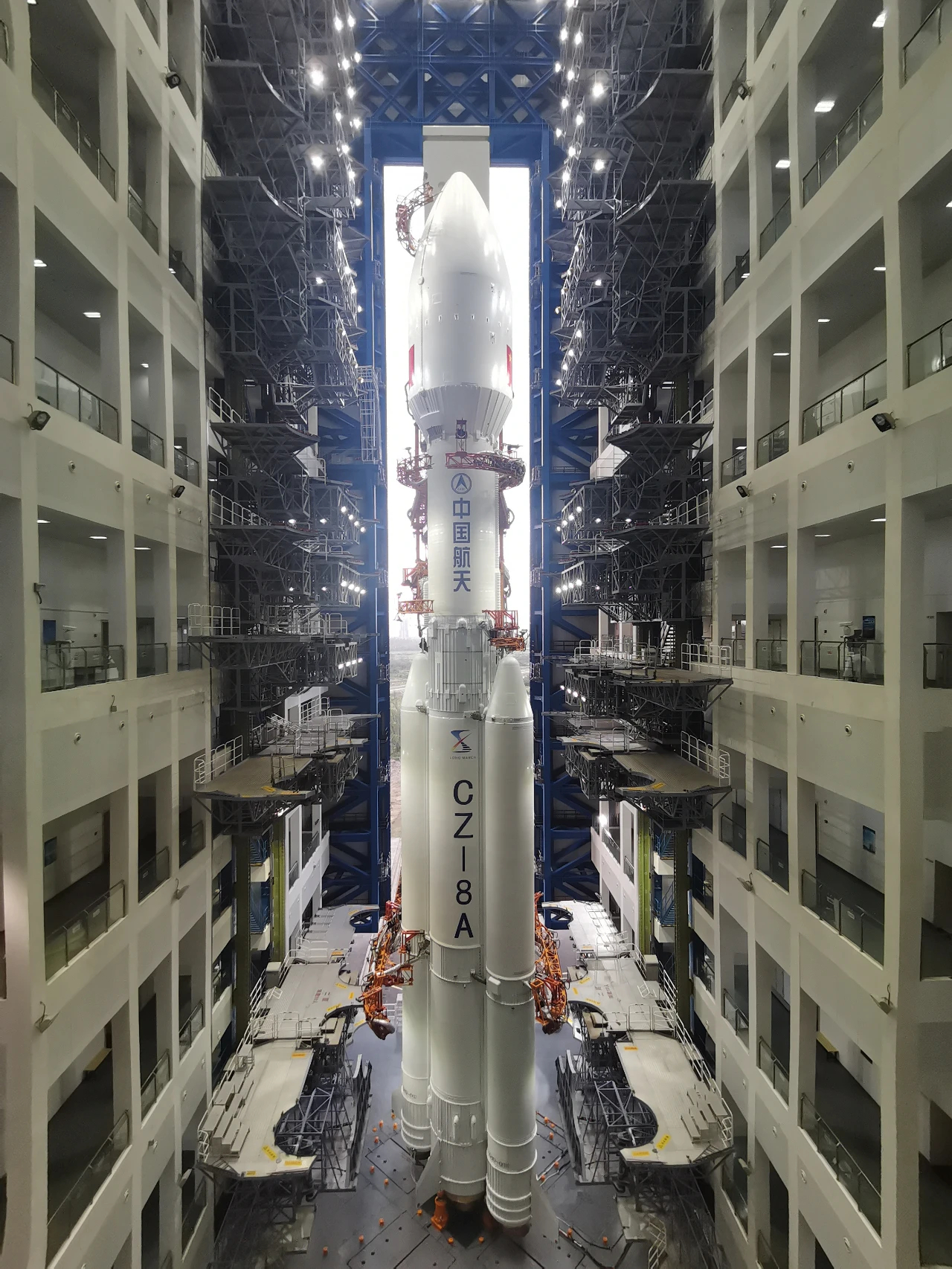
Today's briefing covers Rocket Lab's strategic acquisition, Space Dynamics Lab's new collaboration with the Space Force, and shifts within the Pentagon's AI division.
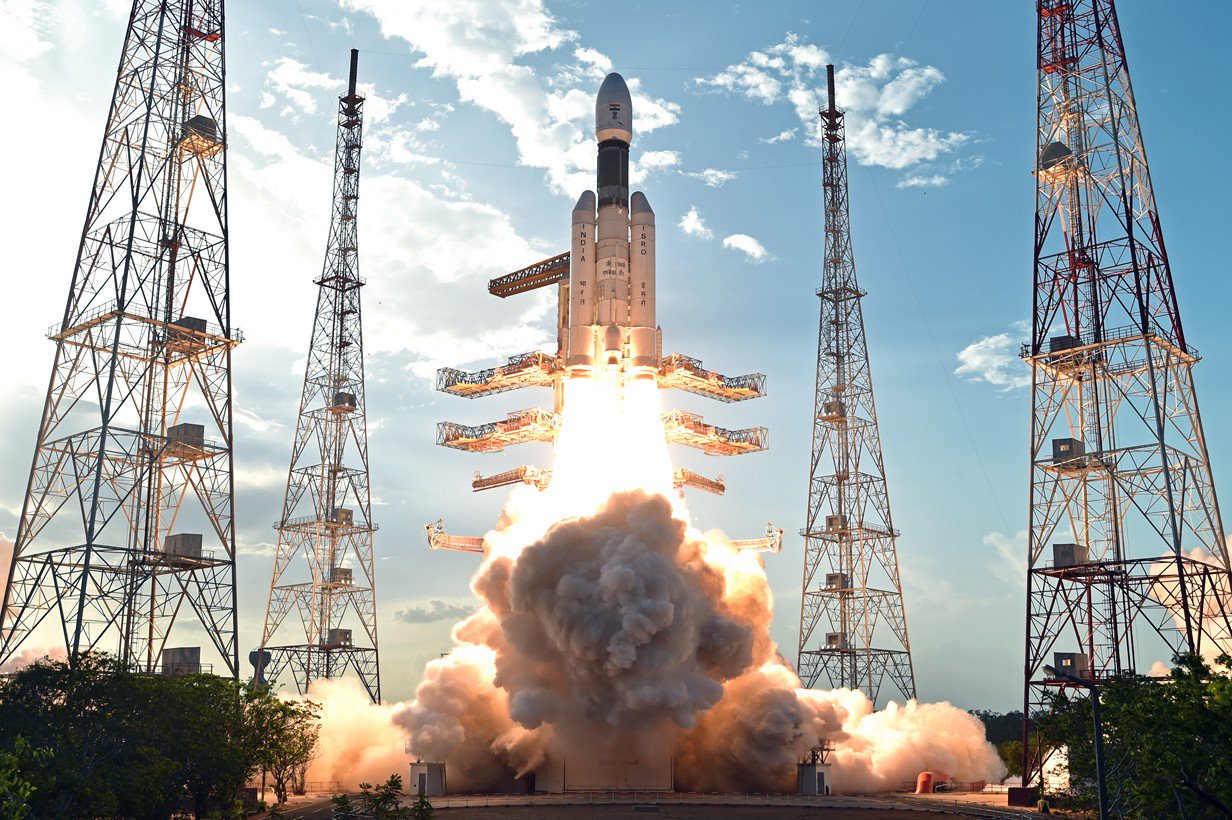
Today's brief covers significant growth forecasts for global defense satellite communications, the integration of hypersonic missiles, cyber authority expansion in the Army, and more pivotal military developments.
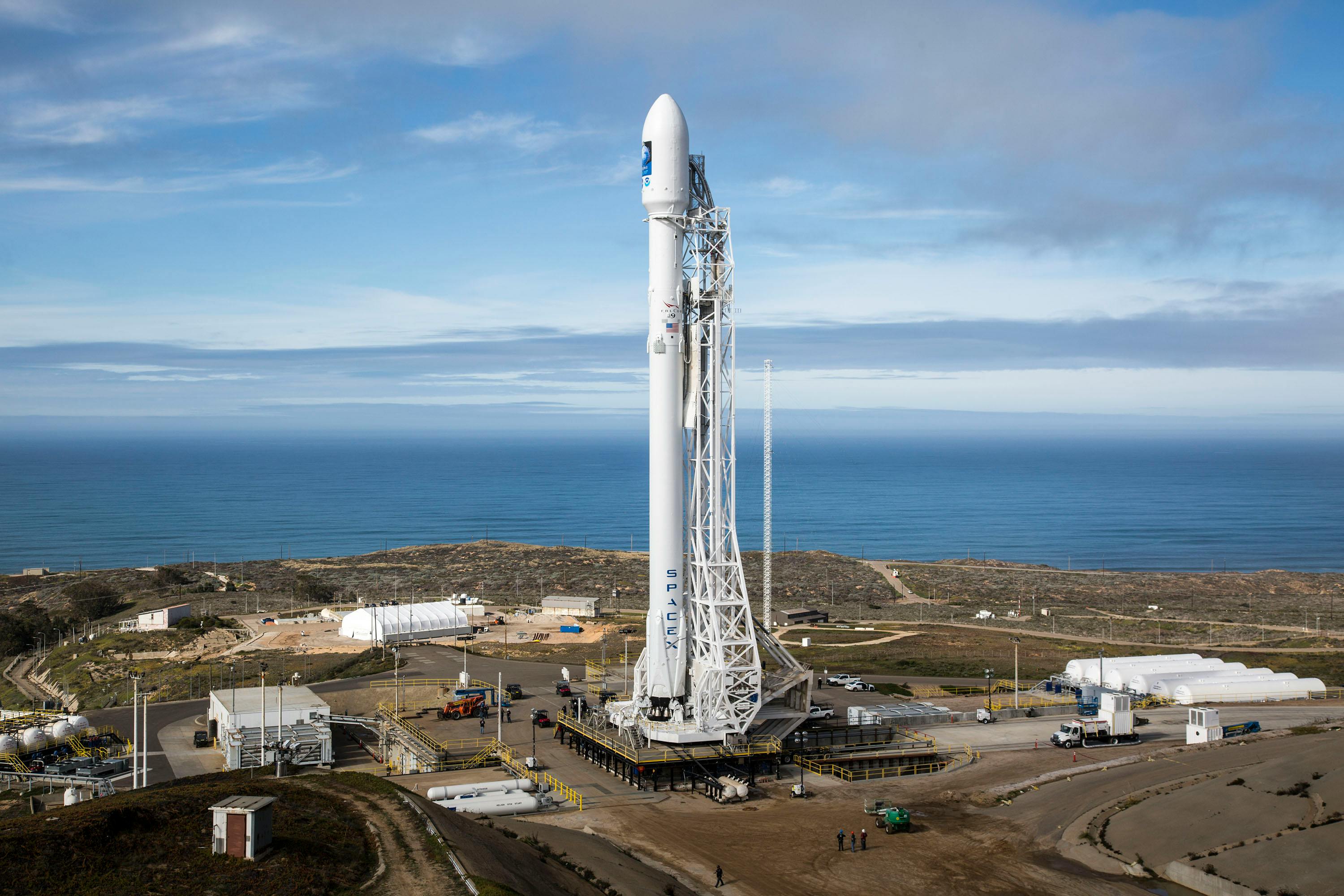
Starlink satellite count for April 2026: 10,177 in orbit, 10,168 working from 11,724 launched. No new anomalies, four reentries expected Apr 5-7.
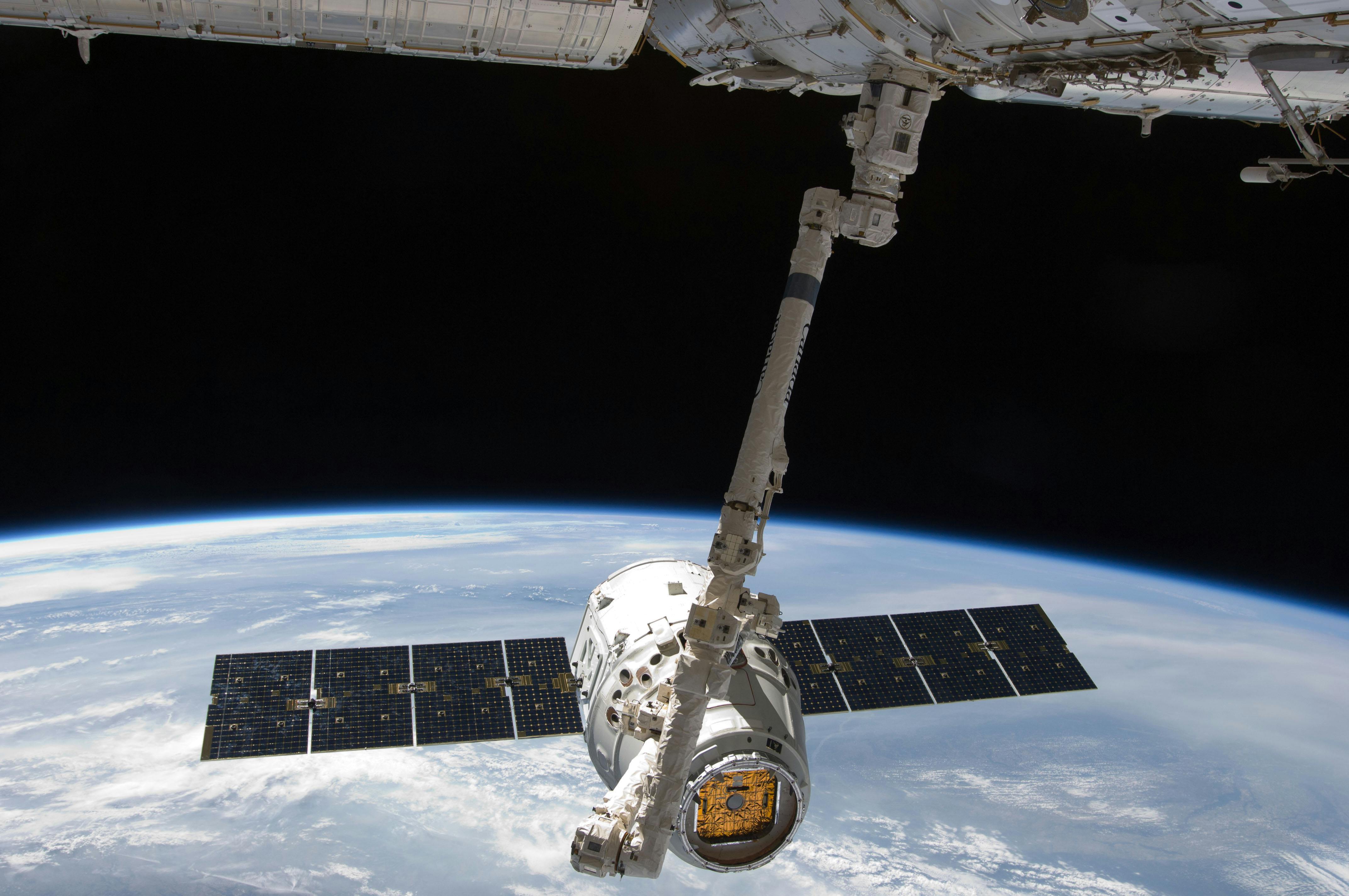
SpaceX prepares for Starship Flight 8 with successful booster static fire; Starlink continues its expansion.
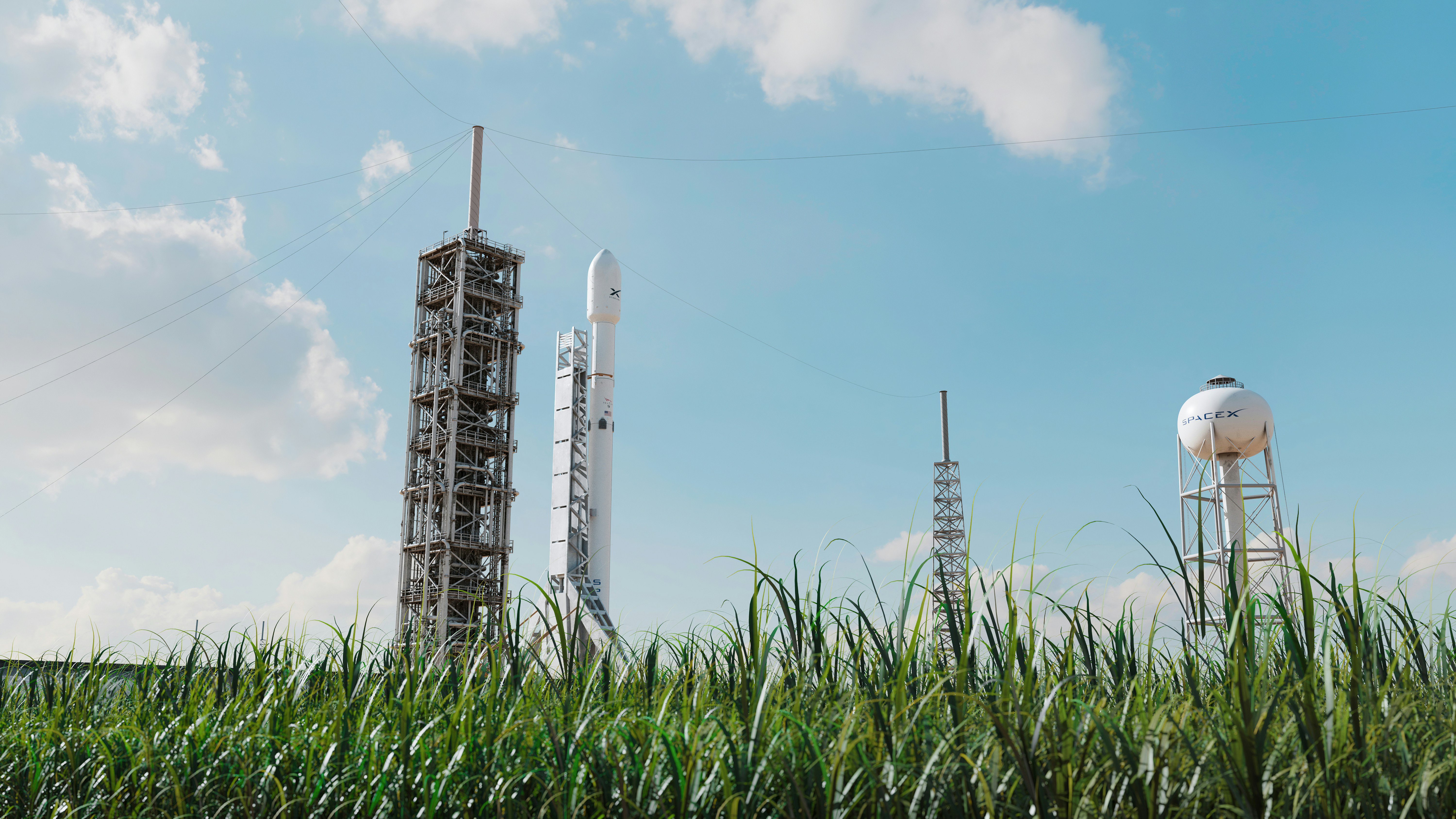
Falcon 9 booster reuse record: SpaceX's most-flown booster flew a 33rd flight Feb 21 with 28 Starlink V2 Minis. Two launches in a day; 9,779 on orbit.
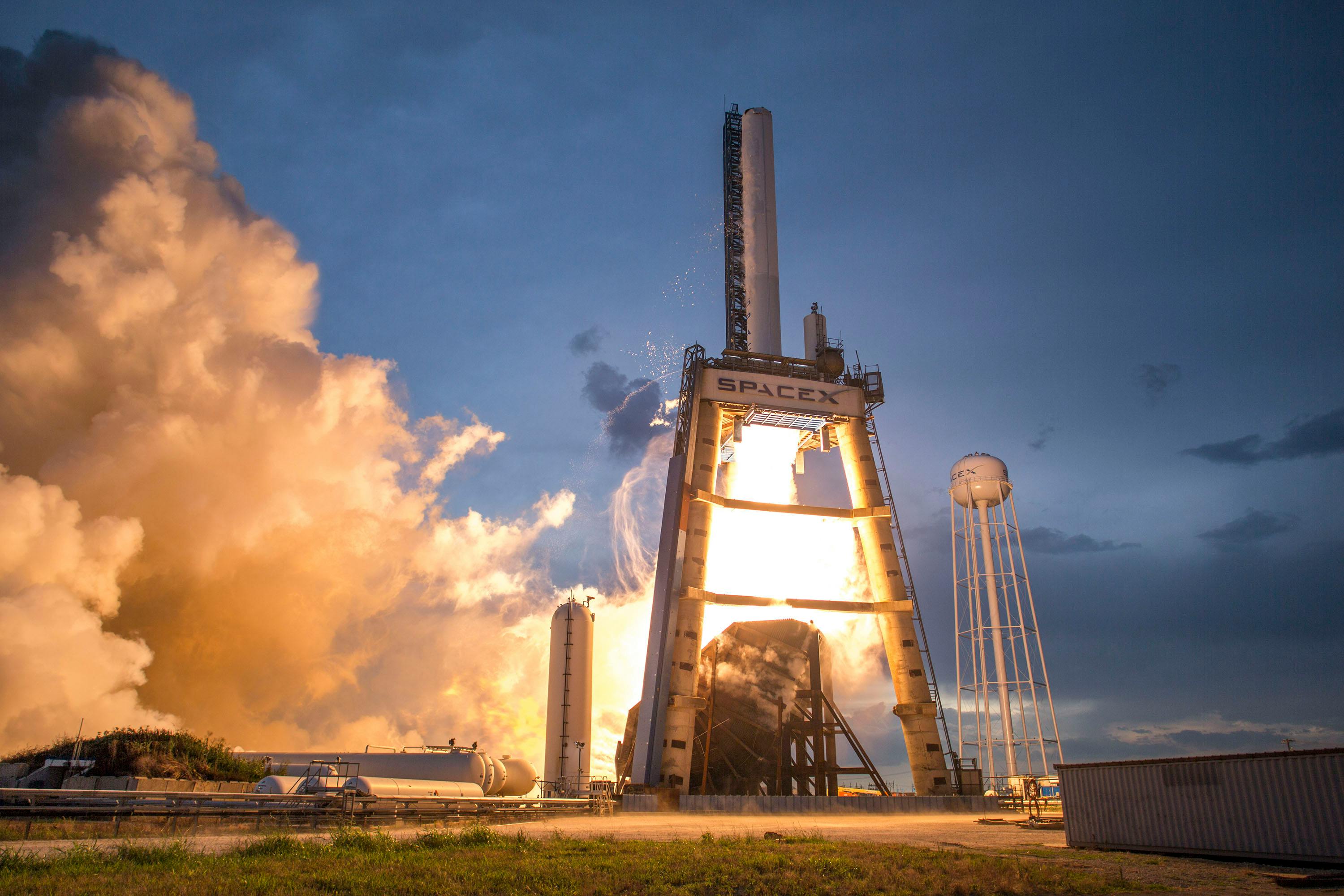
SpaceX successfully launched 19 Starlink satellites from California amidst a weather-related scrub of the Crew-11 mission to the ISS, showcasing the company’s focus on expanding its satellite constellation while overcoming operational challenges.
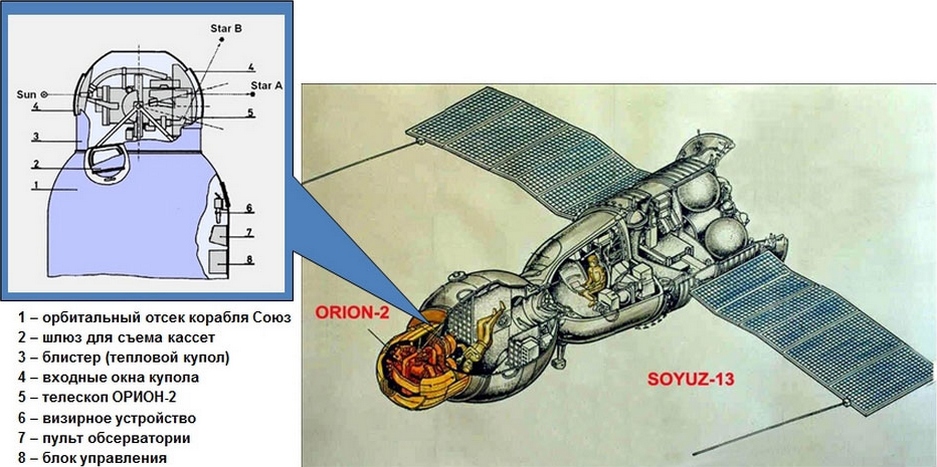
Exactly 52 years ago today, the Soviet Union launched Soyuz 13 - a scientific mission that marked the first time American astronauts and Soviet cosmonauts orbited Earth simultaneously. Armed with a revolutionary ultraviolet telescope, Pyotr Klimuk and Valentin Lebedev would discover elements never before seen in distant nebulae.