


X Report 3 Aug 2025
SpaceX bids farewell to LZ-1 while continuing its mission towards advancements in satellite technology and the ongoing Starlink project.


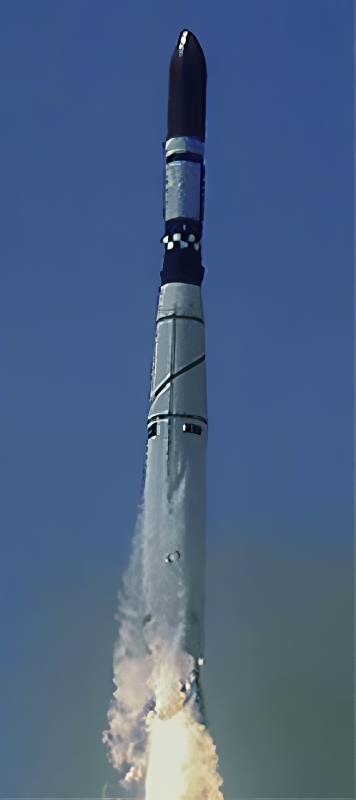
Launch Date
March 9, 1965
Launch Site
AFWTR
Launch Pad
75-1-2
Launch Vehicle
Thor SLV-2 Agena D
NORAD ID
01244
International Designator
1965-016B
Epoch
Sun, 19 Jul 2026 19:22:26 GMT
Apogee
Calculating...
Perigee
Calculating...
Inclination
70.08°
Right Ascension
116.83°
Eccentricity
Calculating...
Argument of Perigee
40.34°
Period
103.14 min
Mean Motion
13.96 rev/day
Latitude
Calculating...
Longitude
Calculating...
Altitude
Calculating...
Velocity
Calculating...
Name
GGSE 2
Alternative Name
GGSE 2
Type
Status
Owner
NRO/NRL
Country
United States
Constellation
N/A
Related Satellites
Major Events
N/A
1 01244U 65016B 26200.80724594 -.00000013 00000+0 28532-4 0 9996
2 01244 70.0793 116.8342 0019208 40.3370 319.9156 13.96164910122617
Source: Celestrak
Apologies, there is no summary for this satellite yet. I am working to generate these for every object in the catalog, but it is going to take time.
Length
0.6
Diameter
0.5
Span
3.7
Dry Mass
55
Launch Mass
55
Shape
Sphere + Ant
Radar Cross Section
0.4709
Visual Magnitude
Unknown
Color
Unknown
Material Composition
Unknown
Payload
POPPY 4 Charlie
Purpose
SIGINT
Mission
SIGINT
Manufacturer
Naval Research Laboratory
Life Expectancy
ca. 34 month (average)
Bus
NRL 24
Configuration
Unknown
Motor
None
Equipment
Unknown
Power System
Solar cells, batteries
ADCS
Unknown
Transmitter Frequency
Unknown
Learn more about satellites and other related topics.
SpaceX bids farewell to LZ-1 while continuing its mission towards advancements in satellite technology and the ongoing Starlink project.

Crew-11 astronauts arrive in Houston following first-ever ISS medical evacuation. Starlink continues robust satellite deployment schedule with ongoing constellation expansion.
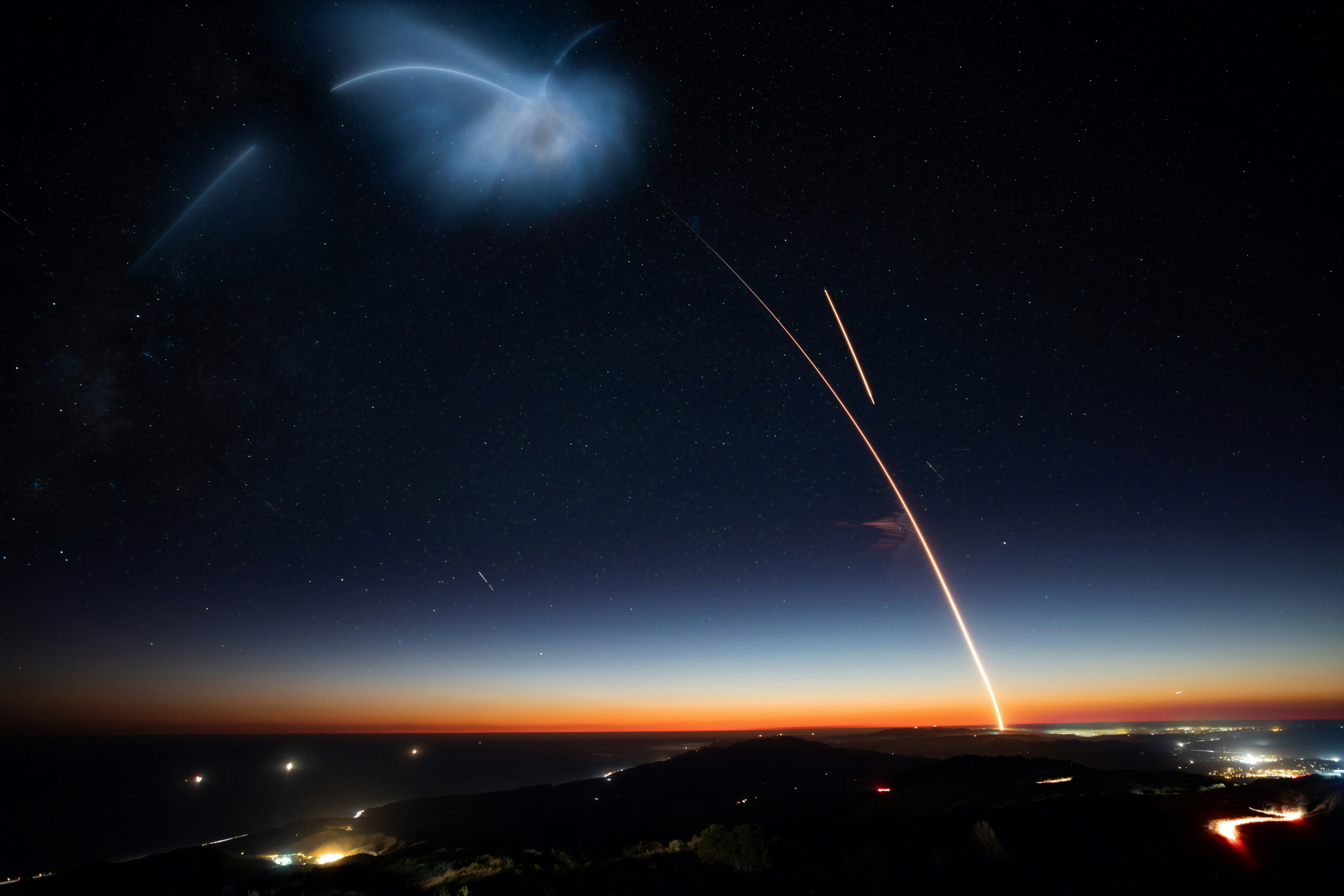
SpaceX successfully launched 24 Starlink satellites aboard a brand-new Falcon 9 rocket. The company aims for five missions this week, bolstering its satellite internet constellation.

Today's highlights include the ongoing Crew-11 mission launch and Starship preparations for its upcoming test flight.
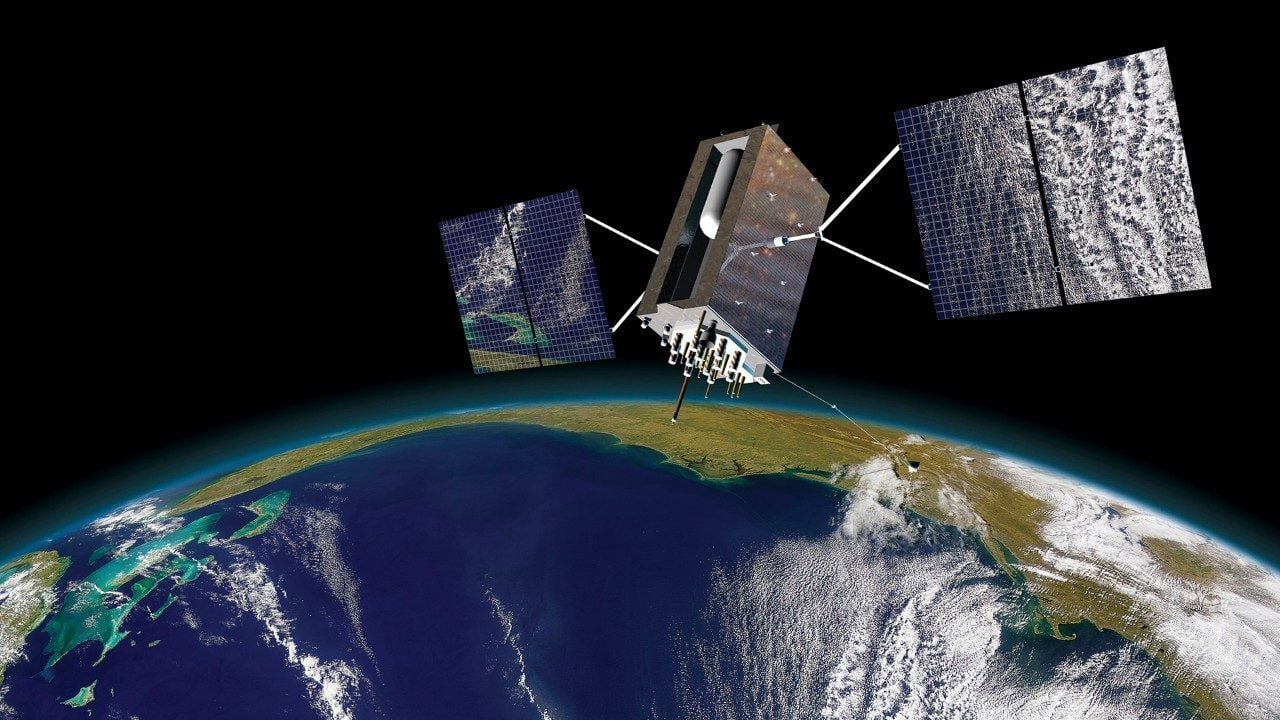
On April 17, 2026, the U.S. Space Force officially cancelled the Next Generation Operational Control System after sixteen years of development, cost overruns, and testing failures. The $8 billion program was supposed to unlock the military's encrypted GPS signal. Instead, the satellites are flying with capabilities the ground can't command.
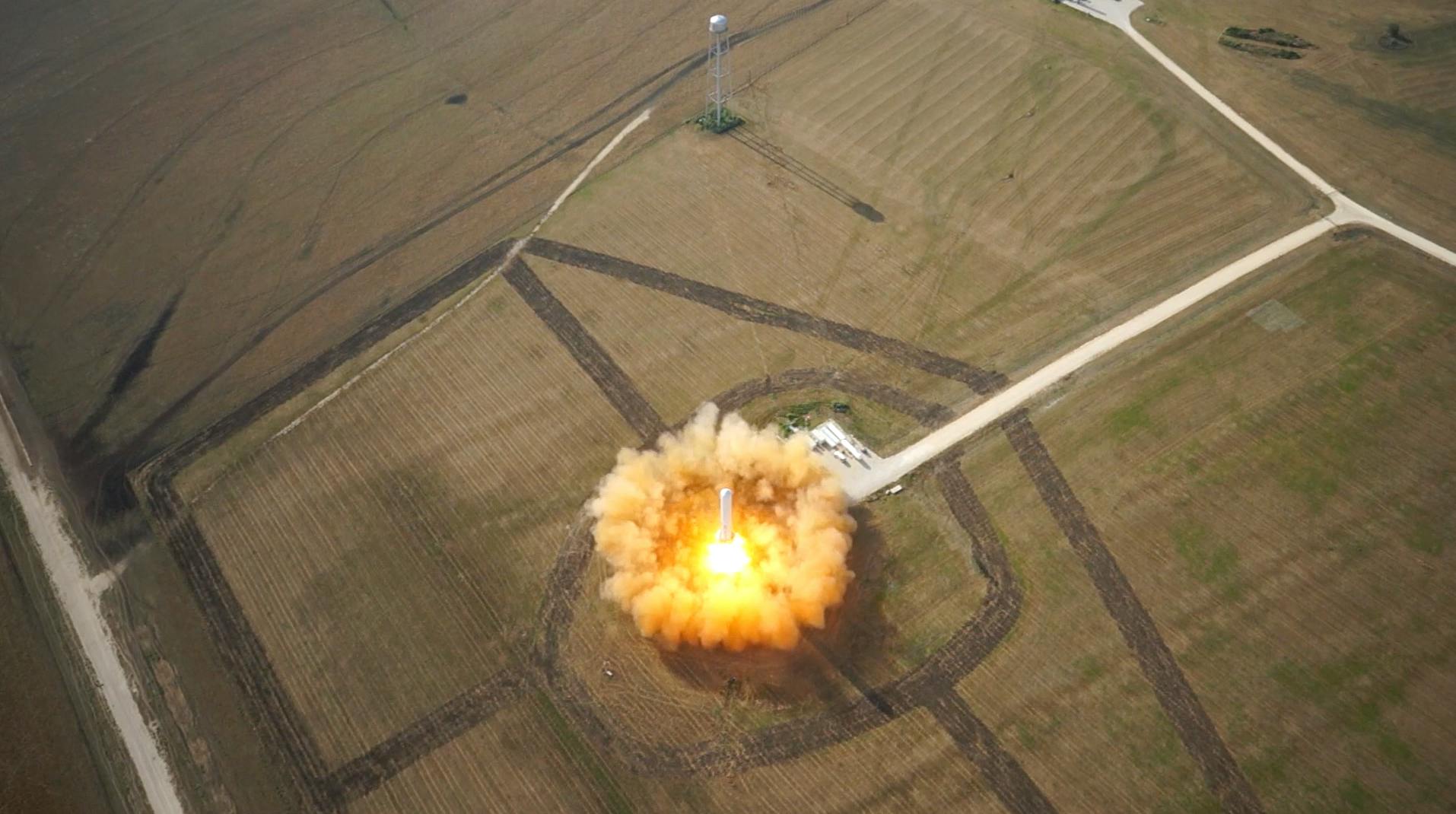
SpaceX progresses with plans for Starship launches from a ULA site while continuing its Starlink expansion. New satellite tracking update enhances user engagement.

Key highlights on China's reusable rocket developments, U.S. military's Tranche 1 satellite launch, Space Force's weapons acquisition strategies, and more.
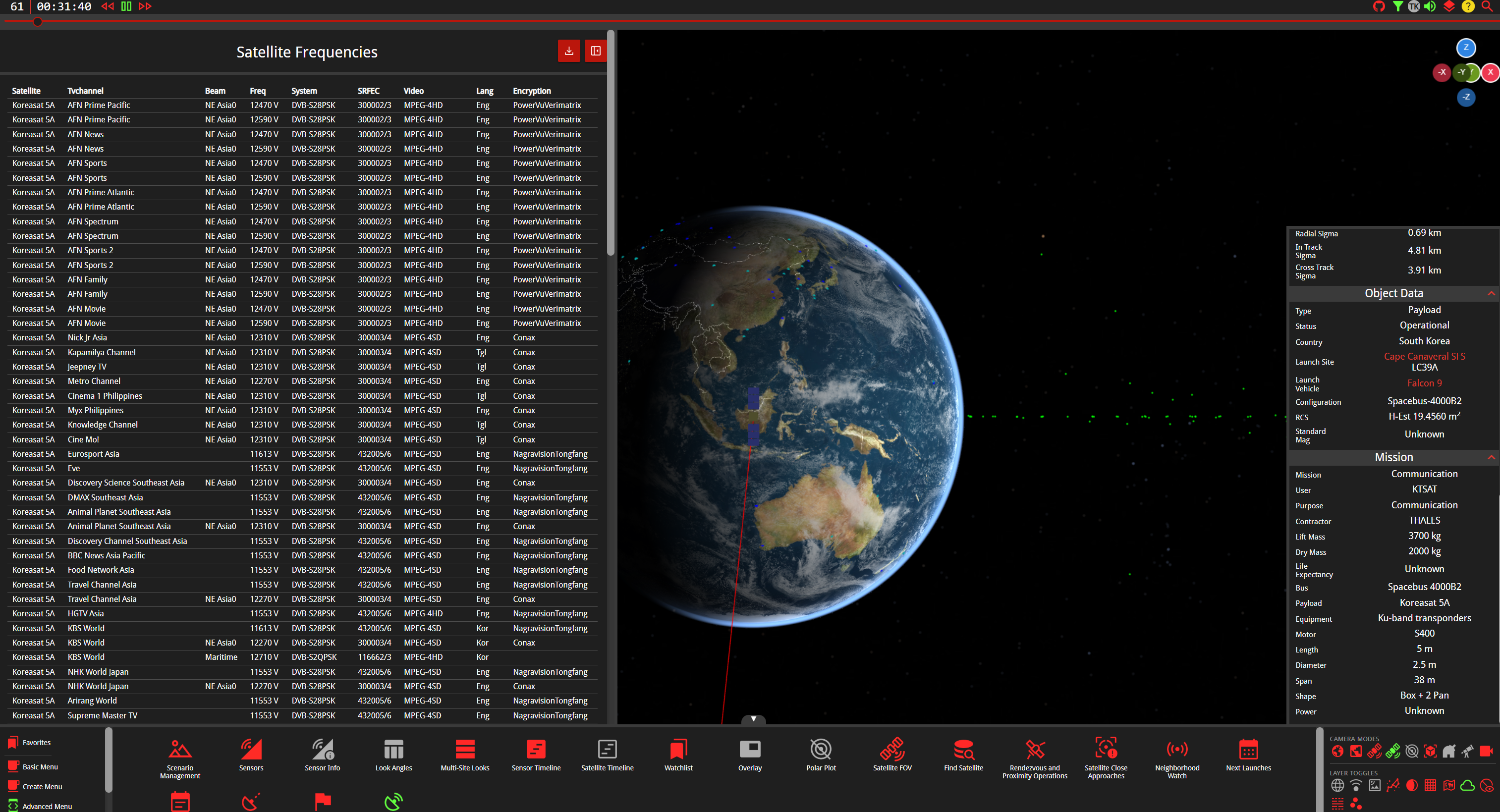
The frequency band that brought satellite TV to small dishes on rooftops and revolutionized direct-to-home broadcasting