

Space Brief 15 May 2025
Today's brief highlights a nuclear battery startup's funding boost, advisory board additions in the space sector, and key military updates impacting space operations.


Launch Date
February 17, 1965
Launch Site
Launch Pad
Unknown
Launch Vehicle
Unknown
NORAD ID
01087
International Designator
N/A
Decay Date
Unknown
Name
ATLAS AGENA B R/B
Alternative Name
Agena B 6006
Type
Status
Owner
LERC
Country
United States
Constellation
N/A
Related Satellites
Major Events
N/A
Length
6.3
Diameter
1.5
Span
6.3
Dry Mass
600
Launch Mass
2240
Shape
Cyl
Radar Cross Section
0.0087
Visual Magnitude
Unknown
Color
Unknown
Material Composition
Unknown
Payload
Agena B 6006
Purpose
Unknown
Mission
Unknown
Manufacturer
LMSC
Life Expectancy
Unknown
Bus
Agena B
Configuration
Unknown
Motor
Unknown
Equipment
Unknown
Power System
Unknown
ADCS
Unknown
Transmitter Frequency
Unknown
Learn more about satellites and other related topics.
Today's brief highlights a nuclear battery startup's funding boost, advisory board additions in the space sector, and key military updates impacting space operations.
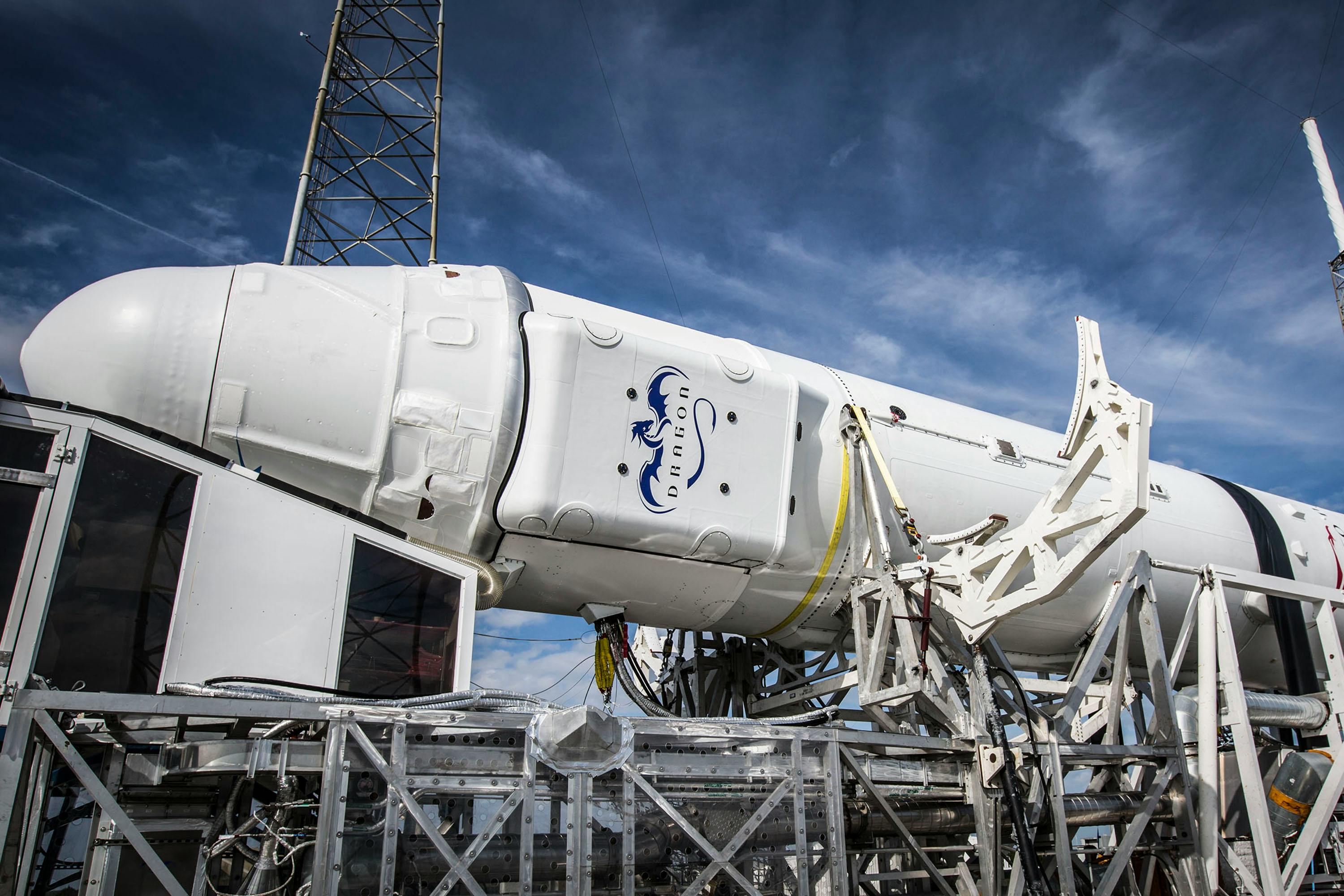
Starship developments continue to capture attention alongside Starlink's latest deployment milestones.

SpaceX disables Starlink terminals used by Russian troops after Ukrainian coordination. Crew-12 delayed to Feb 13 by weather. 24 Starlink satellites launched from Vandenberg.

German defense giant Rheinmetall may bid for laser-comm firm Mynaric, challenging Rocket Lab's plans. SpaceX sets Falcon 9 reuse record. Juno reveals Europa ice sheet data.
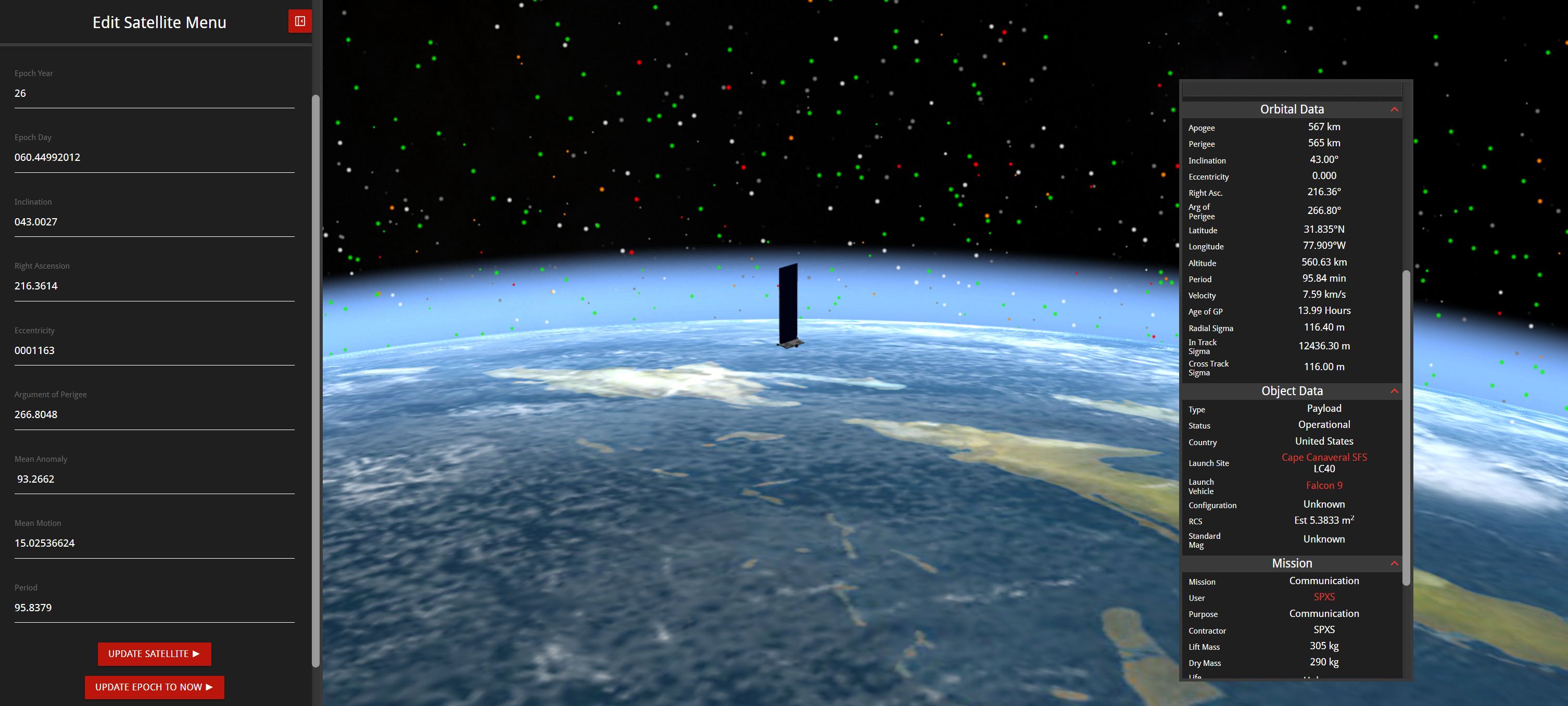
The compact data format that describes every tracked satellite orbit in just two lines of text, and how to read it

Fifty-nine years ago, a revolutionary new rocket thundered skyward from Cape Kennedy, testing the spacecraft that would eventually carry astronauts to the lunar surface

SpaceX scrubs a launch due to ground system issues while continuing its ambitious deployment of Starlink satellites.
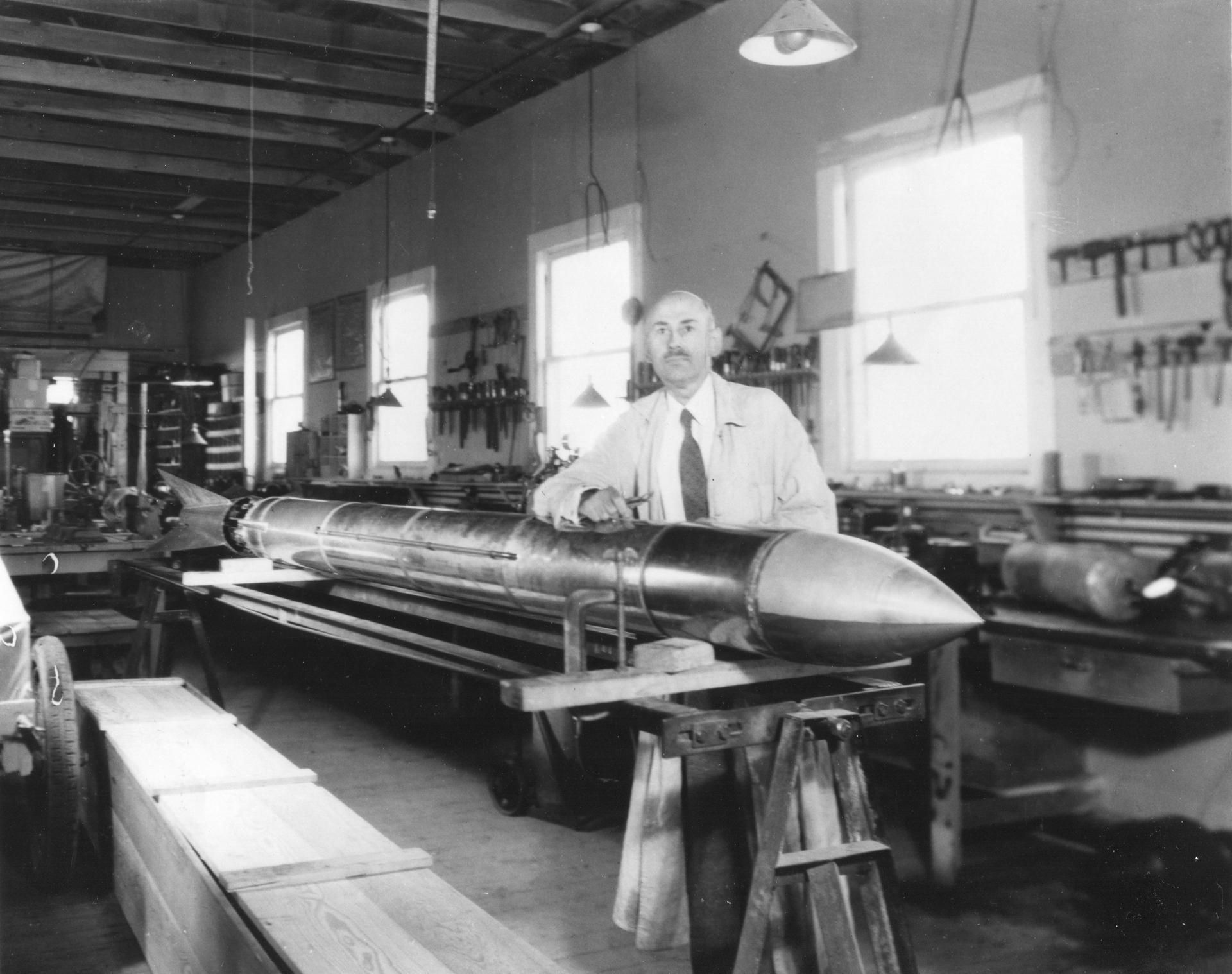
On February 2, 1909, Robert Goddard made a revolutionary breakthrough in his notebook: liquid oxygen and liquid hydrogen could achieve 50% efficiency in converting heat energy to kinetic energy for rocket propulsion