


Space Brief 30 Sep 2025
Today's briefing covers China's rapid satellite launch activities, new Pentagon contracts for rocket motors, the Dream Chaser spaceplane's upcoming flight, and more.


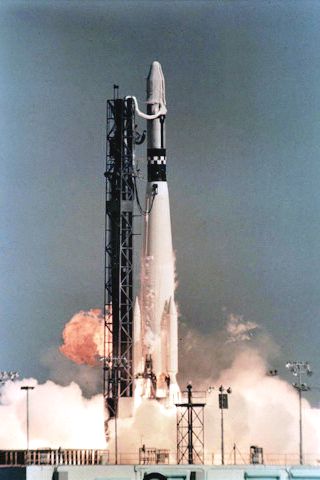
Launch Date
October 17, 1964
Launch Site
AFWTR
Launch Pad
PALC1-1
Launch Vehicle
Thor SLV-2A Agena D
NORAD ID
00911
International Designator
1964-067A
Decay Date
11/4/1964
Name
OPS 3559
Alternative Name
OPS 3559
Type
Status
Owner
NRO/CIA
Country
United States
Constellation
N/A
Related Satellites
Major Events
N/A
Apologies, there is no summary for this satellite yet. I am working to generate these for every object in the catalog, but it is going to take time.
Length
2.1
Diameter
1.3
Span
2.1
Dry Mass
262
Launch Mass
262
Shape
Cyl
Radar Cross Section
Unknown
Visual Magnitude
Unknown
Color
Unknown
Material Composition
Unknown
Payload
CORONA J-13
Purpose
Unknown
Mission
Unknown
Manufacturer
LMSC
Life Expectancy
Unknown
Bus
CORONA KH-4A
Configuration
Unknown
Motor
Unknown
Equipment
Unknown
Power System
Unknown
ADCS
Unknown
Transmitter Frequency
Unknown
Learn more about satellites and other related topics.
Today's briefing covers China's rapid satellite launch activities, new Pentagon contracts for rocket motors, the Dream Chaser spaceplane's upcoming flight, and more.

Today's brief covers Blue Origin's launch delay, SpaceX's upcoming Starlink mission, and highlights the YAOGAN-43 O1C satellite.

SpaceX engineers are overhauling Starbase launch infrastructure for Block 3 Starships as Falcon 9 prepares another Starlink batch run.
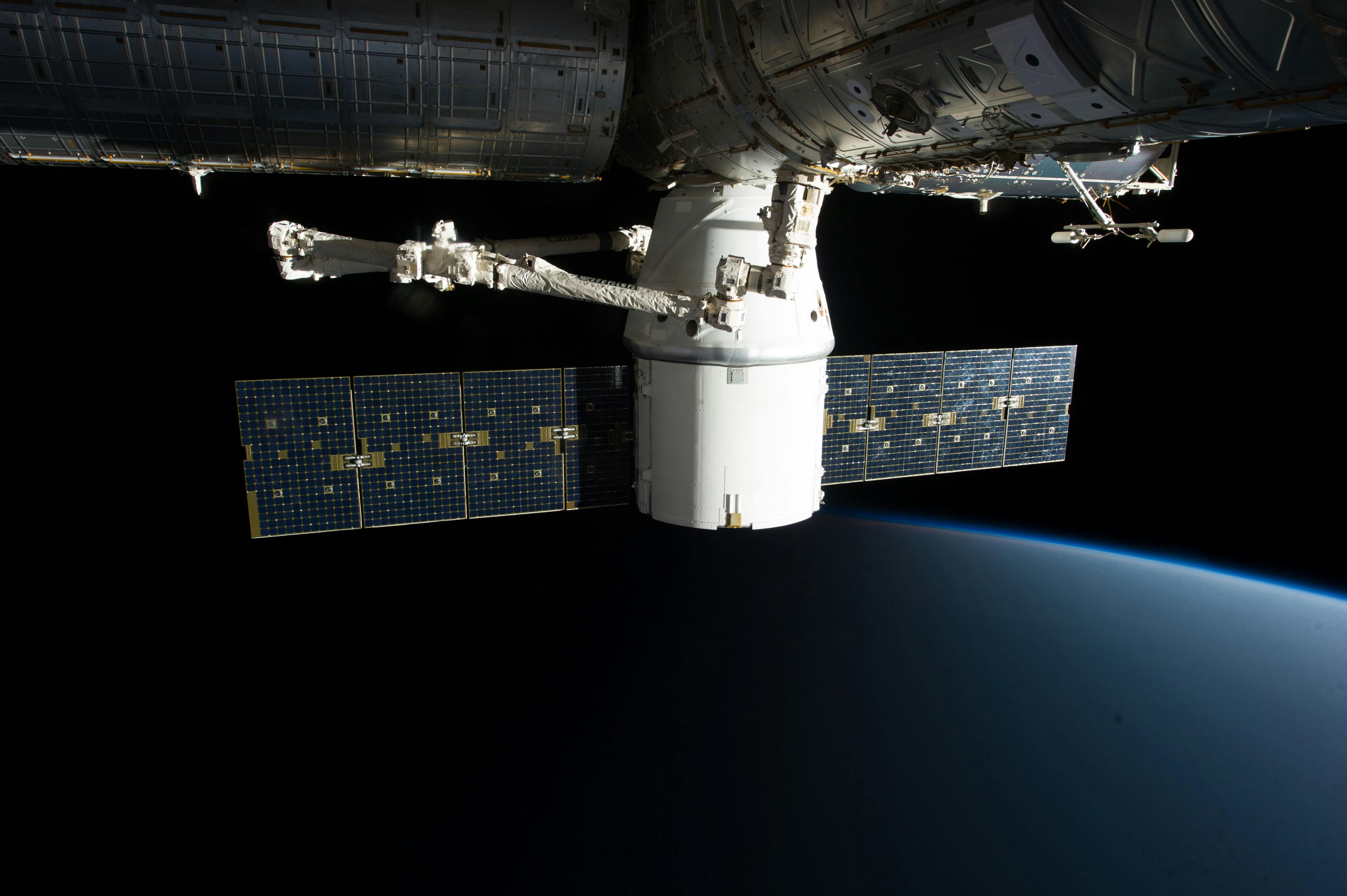
SpaceX Crew-12 mission set to launch astronauts to ISS on Feb 13. Starlink gains another airline partner for in-flight internet. Musk tops Forbes' 250 Greatest Innovators list.
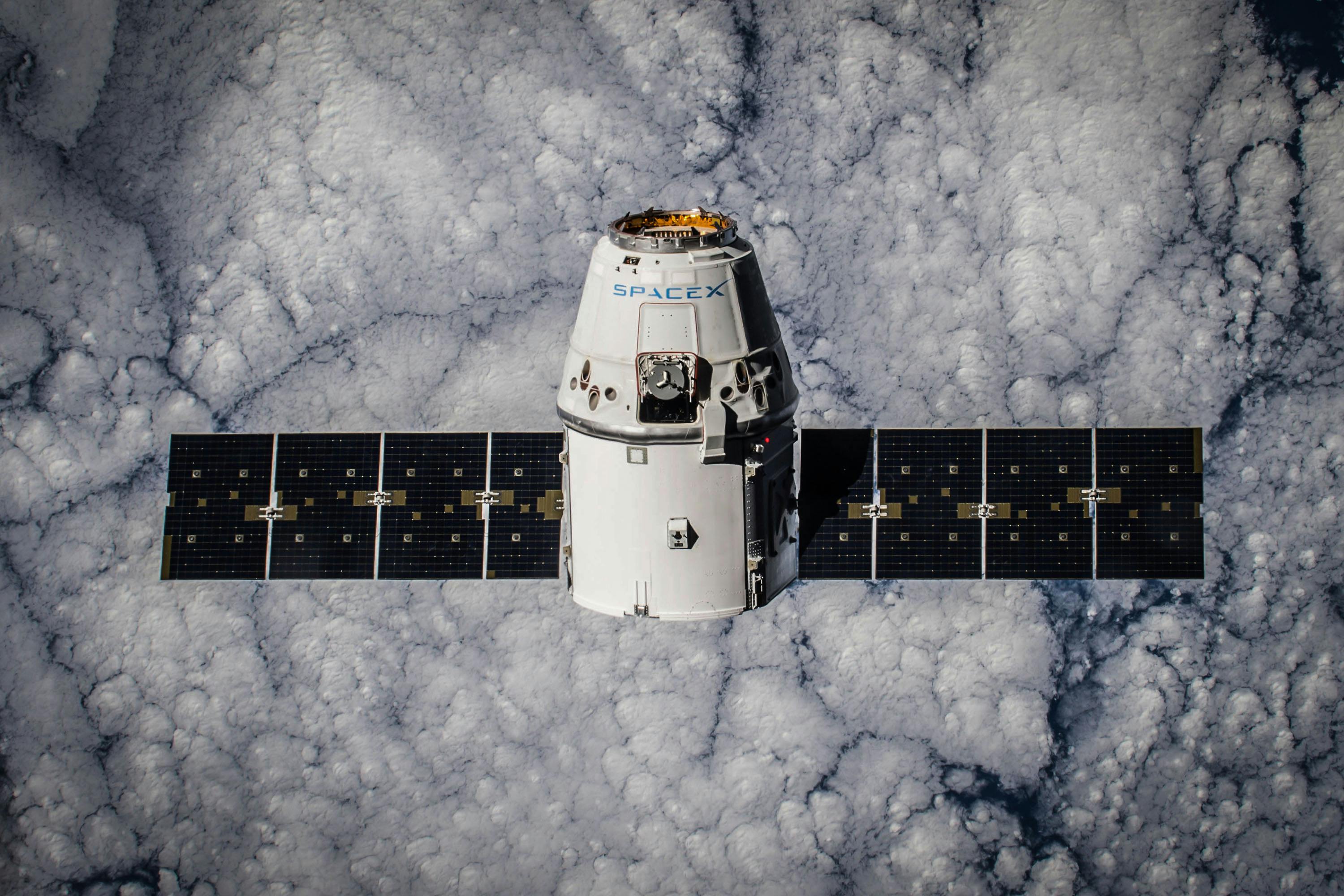
SpaceX is finalizing Pad 2 upgrades at Starbase ahead of Booster 19's return flight, as Starlink's active constellation holds at 10,185 satellites.

U.S. Space Force selects Boeing's 702MP spacecraft for next-generation MUOS satellites. Rocket Lab delivers Synspective's 10th StriX radar satellite. Track both missions.

SpaceX achieves a new milestone with a Falcon 9 landing near The Bahamas, closely following Rocket Lab's successful satellite launch.
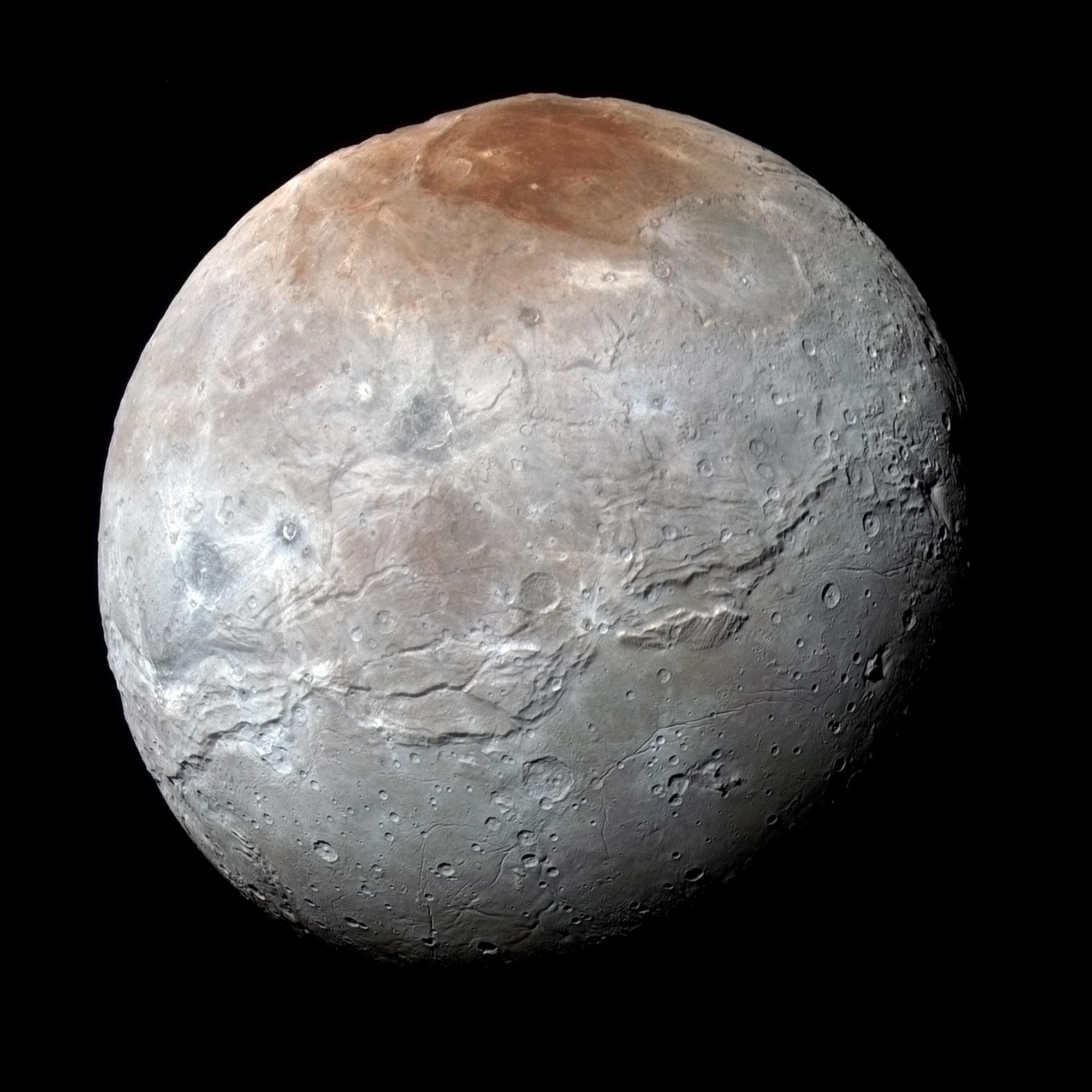
On 22 June 1978, an astronomer at the U.S. Naval Observatory looked at photographic plates that had been stamped 'image defective' and noticed a small bump on the side of Pluto. The bump was a moon, and finding it finally let astronomers weigh a planet that had fooled them for half a century.