

X Report 28 Aug 2025
SpaceX continues to break records with the Falcon 9's 30th flight while Starship's successful test flight propels the program forward after recent challenges.


Launch Date
July 28, 1964
Launch Site
Launch Pad
Unknown
Launch Vehicle
Unknown
NORAD ID
00843
International Designator
N/A
Decay Date
Unknown
Name
ATLAS AGENA B R/B
Alternative Name
Agena B 6009
Type
Status
Owner
LERC
Country
United States
Constellation
N/A
Related Satellites
Major Events
N/A
Length
6.3
Diameter
1.5
Span
6.3
Dry Mass
600
Launch Mass
2240
Shape
Cyl
Radar Cross Section
0.0112
Visual Magnitude
Unknown
Color
Unknown
Material Composition
Unknown
Payload
Agena B 6009
Purpose
Unknown
Mission
Unknown
Manufacturer
LMSC
Life Expectancy
Unknown
Bus
Agena B
Configuration
Unknown
Motor
Unknown
Equipment
Unknown
Power System
Unknown
ADCS
Unknown
Transmitter Frequency
Unknown
Learn more about satellites and other related topics.
SpaceX continues to break records with the Falcon 9's 30th flight while Starship's successful test flight propels the program forward after recent challenges.
An analysis of Russia's independent space tracking system and how it compares to the established U.S. Space Surveillance Network
Exciting advancements from SpaceX's Fram2 mission and the pivotal role of biotech in space exploration.

Iran successfully struck U.S. aircraft in Saudi Arabia despite maxed-out defensive posture. Space Force ISR and missile warning gaps exposed. Tracking impacts.
SpaceX prepares to launch 27 Starlink satellites in its first mission since the recent Starship explosion, while the FAA investigates debris reports from the failed test flight.
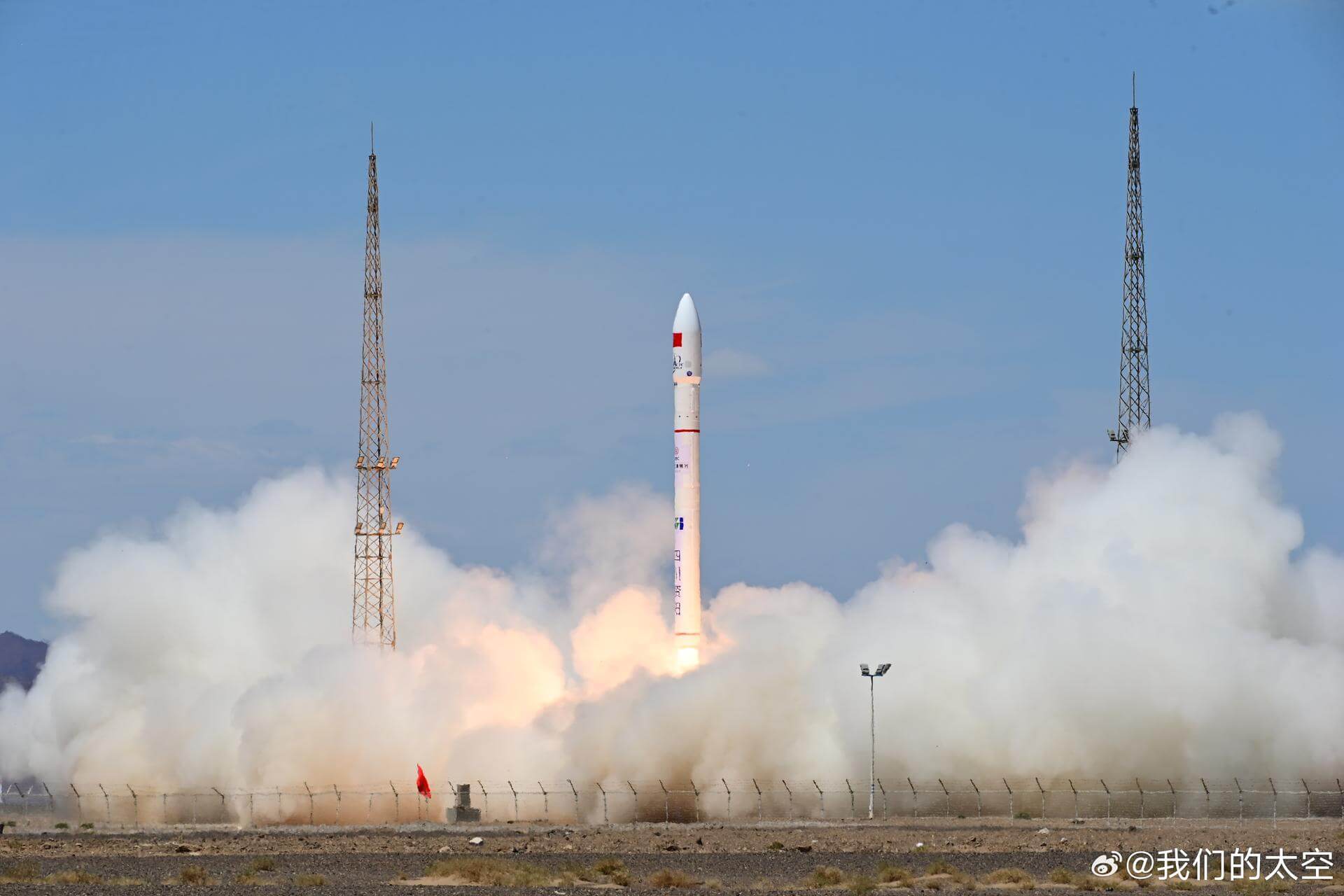
Today's Space Brief covers imminent launches, new developments in space technology, and strategic military contributions to satellite defense systems.

NRO expands commercial imaging with HEO, SatVu, and Sierra Nevada. ChatGPT rolls out to 3 million military users via GenAI.mil. C-130J deliveries paused.

Artemis II grabbed the headlines, but six other missions are quietly approaching milestones that could reshape what we know about Mercury, Mars, asteroids, exoplanets, and the Moon's south pole. Here is what is actually happening with each of them.