


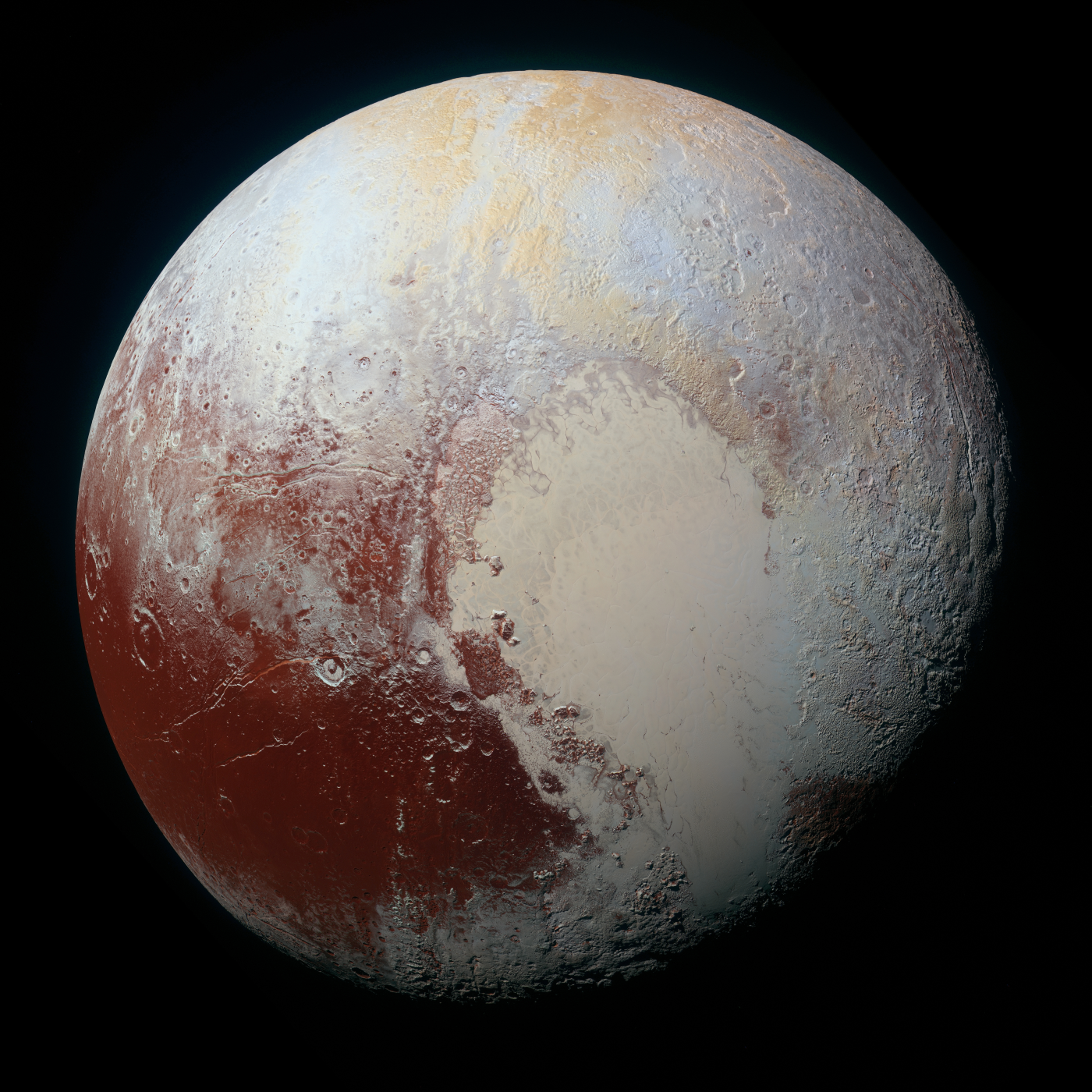
The Day a Farm Boy Found a New World
Ninety-five years ago, a 24-year-old astronomer with no college degree made one of astronomy's most remarkable discoveries, finding a new planet that would challenge our understanding of the solar system


Launch Date
November 15, 1961
Launch Site
Cape Canaveral LC-17B
Launch Pad
LC-17B
Launch Vehicle
Thor DM-21 Ablestar
NORAD ID
00205
International Designator
1961-031B
Epoch
Sun, 19 Jul 2026 19:58:37 GMT
Apogee
Calculating...
Perigee
Calculating...
Inclination
32.44°
Right Ascension
355.10°
Eccentricity
Calculating...
Argument of Perigee
220.30°
Period
105.68 min
Mean Motion
13.63 rev/day
Latitude
Calculating...
Longitude
Calculating...
Altitude
Calculating...
Velocity
Calculating...
Name
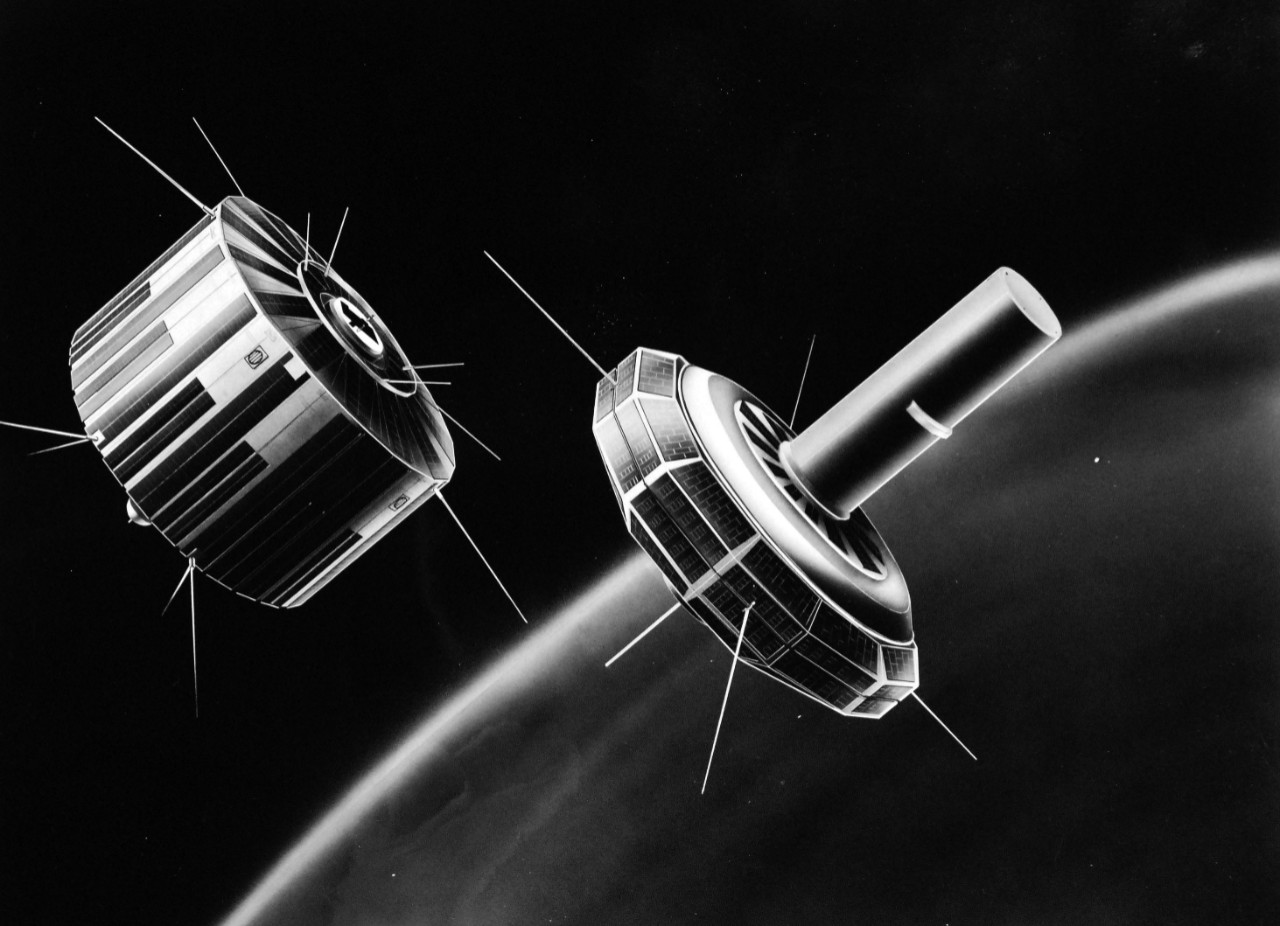
TRAAC
Alternative Name
Transit Research and Attitude Control
Type
Status
Owner
Bureau of Naval Weapons (BUWEPS)
Country
United States
Constellation
N/A
Related Satellites
Major Events
Launched on November 15, 1961, alongside Transit 4B. Ceased operation after approximately 270 days due to radiation damage from the Starfish Prime nuclear test.
1 00205U 61031B 26200.83238167 .00000042 00000+0 21455-4 0 9992
2 00205 32.4426 355.0980 0102171 220.3043 138.9969 13.62575664223520
Source: Celestrak
Length
1
Diameter
1.1
Span
10
Dry Mass
109
Launch Mass
109
Shape
Cylindrical with extended boom
Radar Cross Section
0.5519
Visual Magnitude
5.5
Color
Silver
Material Composition
Aluminum, beryllium copper
Payload
TRAAC
Purpose
Unknown
Mission
To test the feasibility of using gravity-gradient stabilization in Transit navigational satellites and to study the effects of space radiation.
Manufacturer
Applied Physics Laboratory (APL)
Life Expectancy
Operated for approximately 270 days, providing valuable data on gravity-gradient stabilization and space radiation effects.
Bus
Transit 4
Configuration
Gravity-gradient stabilized satellite
Motor
Unknown
Equipment
Particle detectors, solar attitude detectors, magnetometers, Doppler system
Power System
Solar cells charging nickel-cadmium batteries, generating approximately 16 watts.
ADCS
Gravity-gradient stabilization
Transmitter Frequency
54 MHz, 324 MHz
Learn more about satellites and other related topics.
Ninety-five years ago, a 24-year-old astronomer with no college degree made one of astronomy's most remarkable discoveries, finding a new planet that would challenge our understanding of the solar system
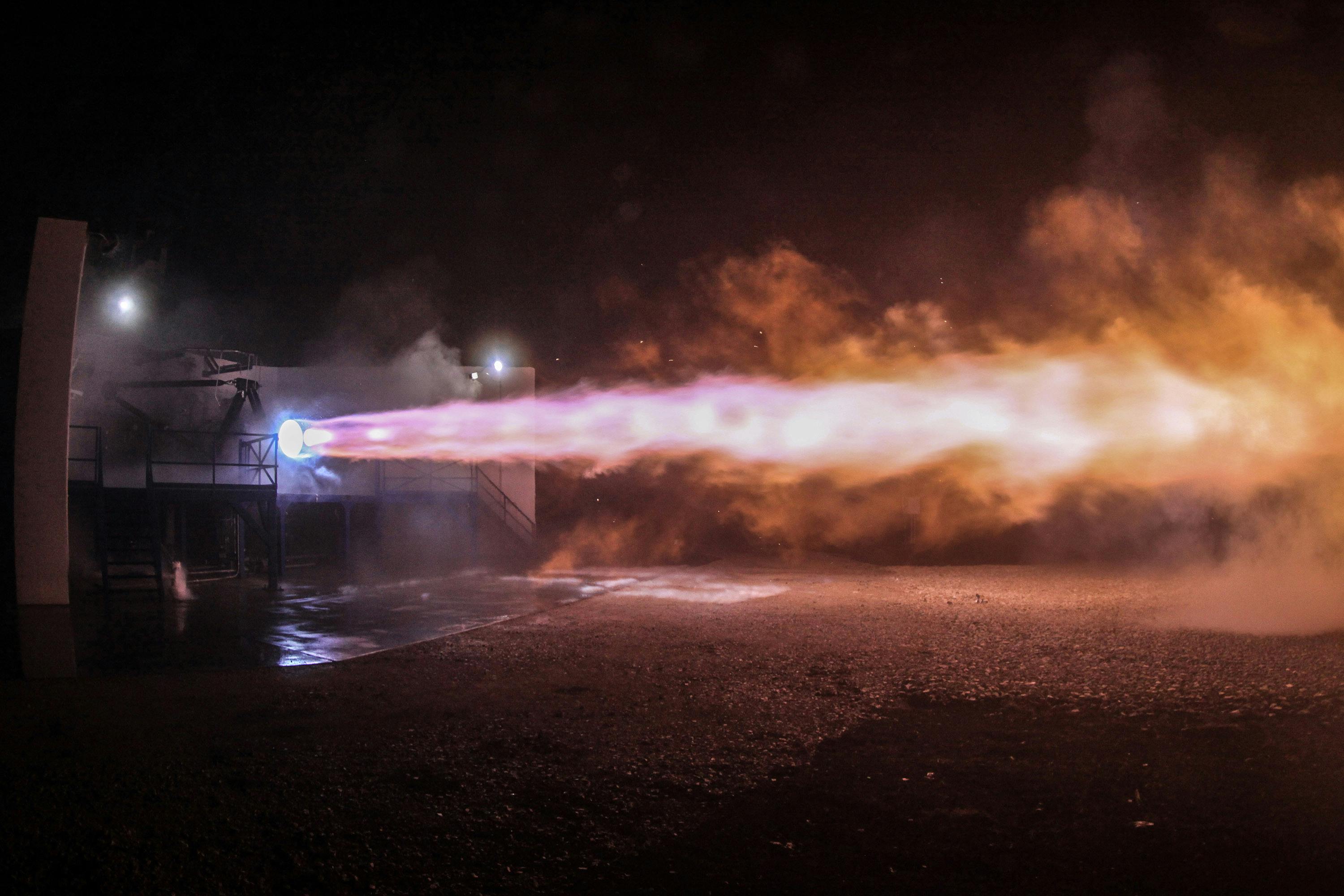
A Falcon 9 booster sets a reusability record on its 35th flight during the Starlink 10-35 mission, the constellation's 53rd dedicated launch.

China hits record 92 orbital launches in 2025. Vandenberg opens new launch site for providers. Former ULA CEO Tory Bruno joins Blue Origin for national security projects.
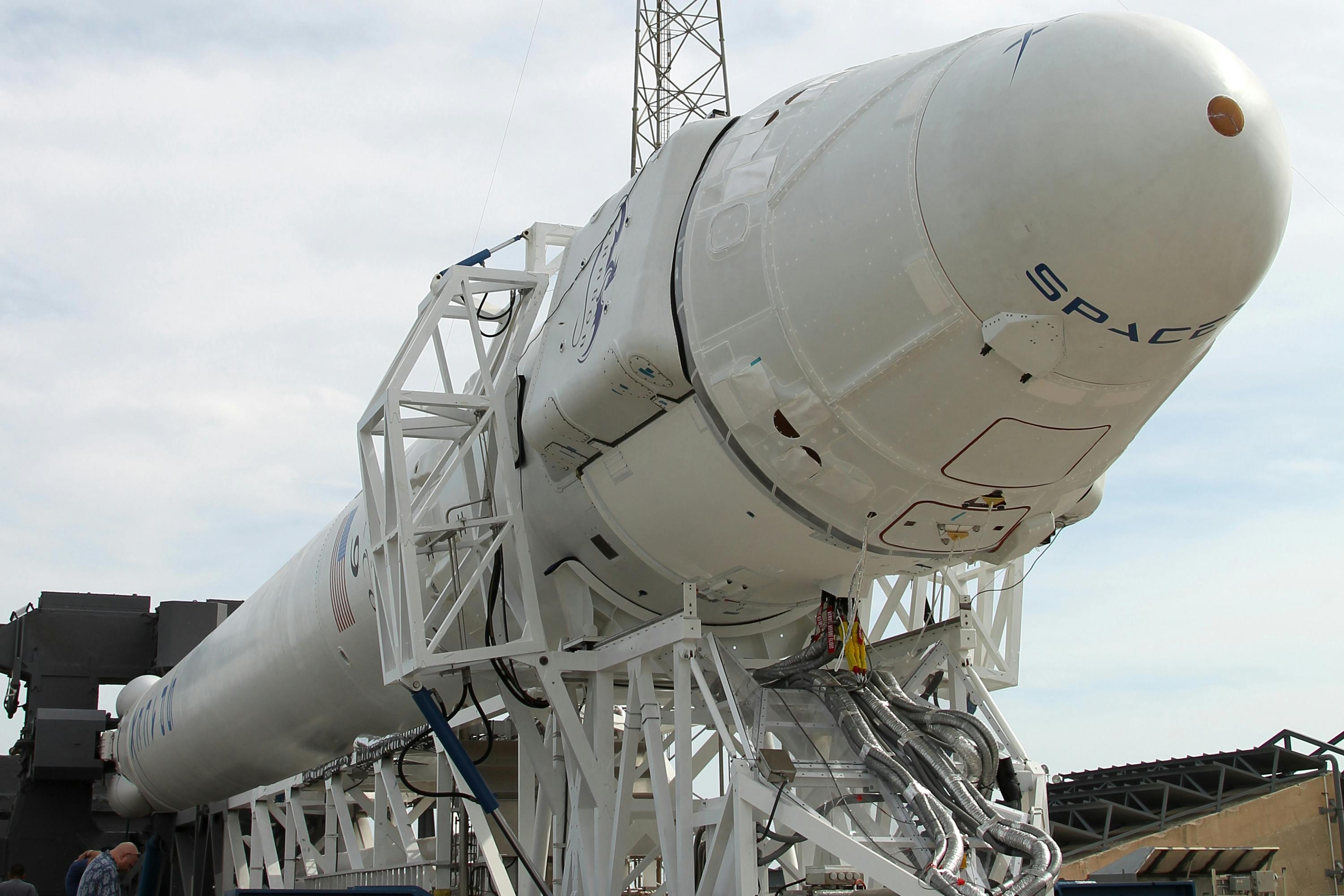
SpaceX targets July 16 for Starship Flight 13 from Starbase, aiming to fix Flight 12 issues and deploy working Starlink satellites.
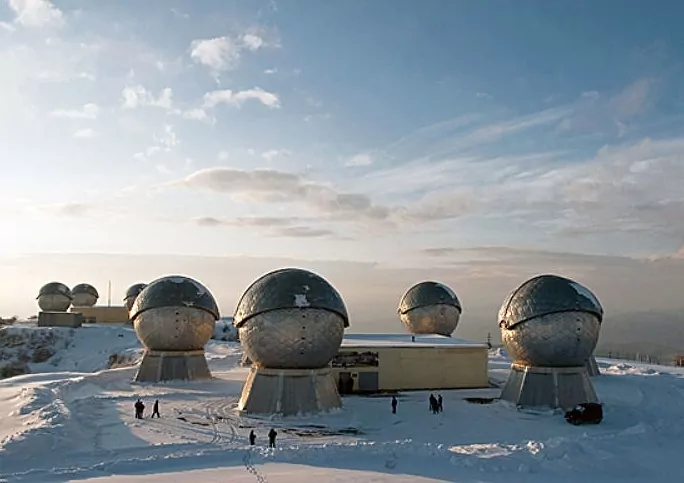
An analysis of Russia's independent space tracking system and how it compares to the established U.S. Space Surveillance Network
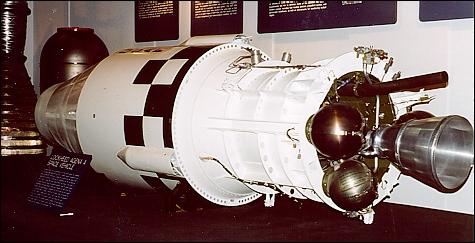
Sixty-six years ago, a Thor-Agena rocket thundered into the California sky carrying Discoverer 1, the first satellite attempt at polar orbit and the secret vanguard of Americas space reconnaissance program
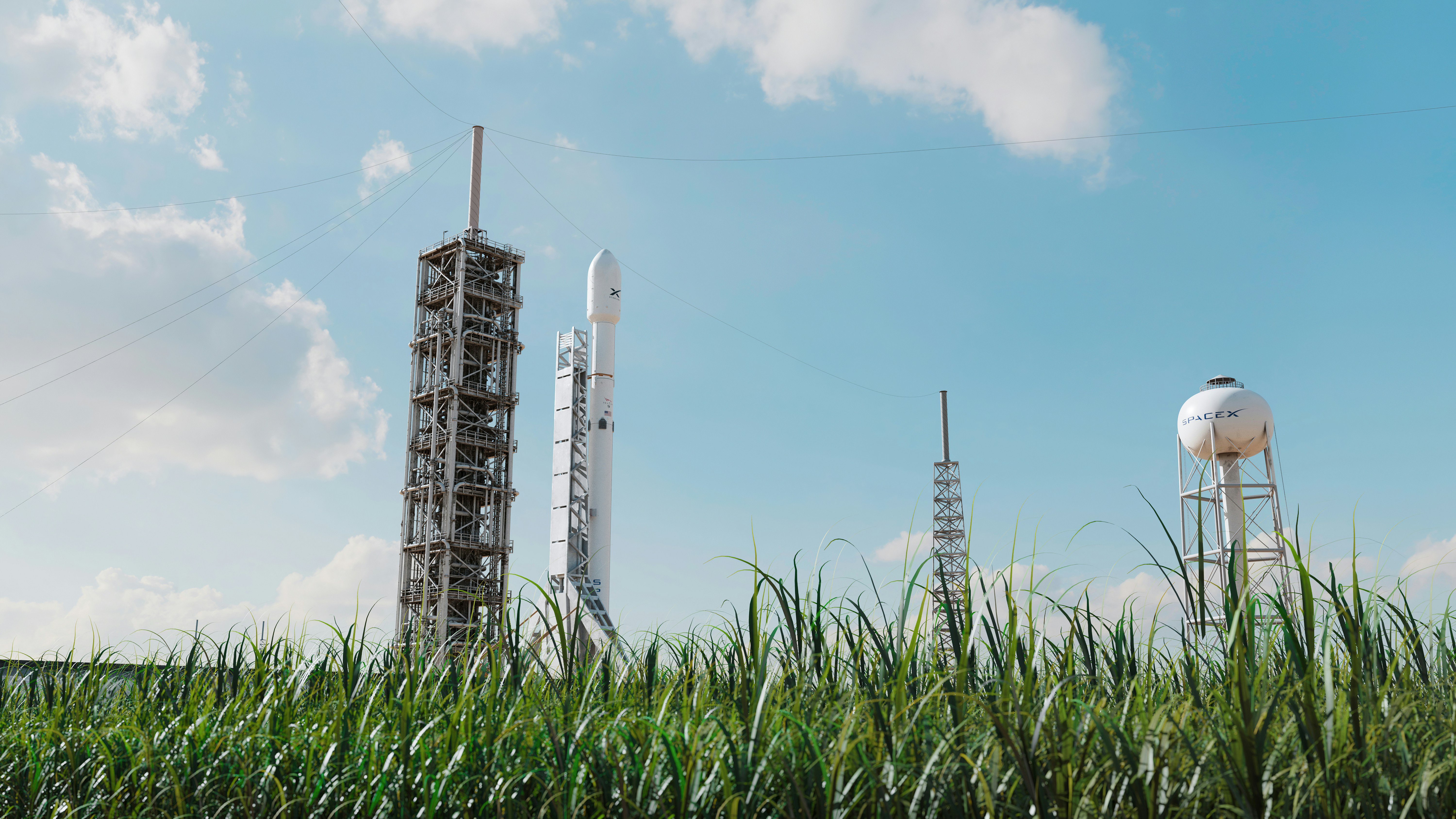
SpaceX continues to break records with the Falcon 9's 30th flight while Starship's successful test flight propels the program forward after recent challenges.
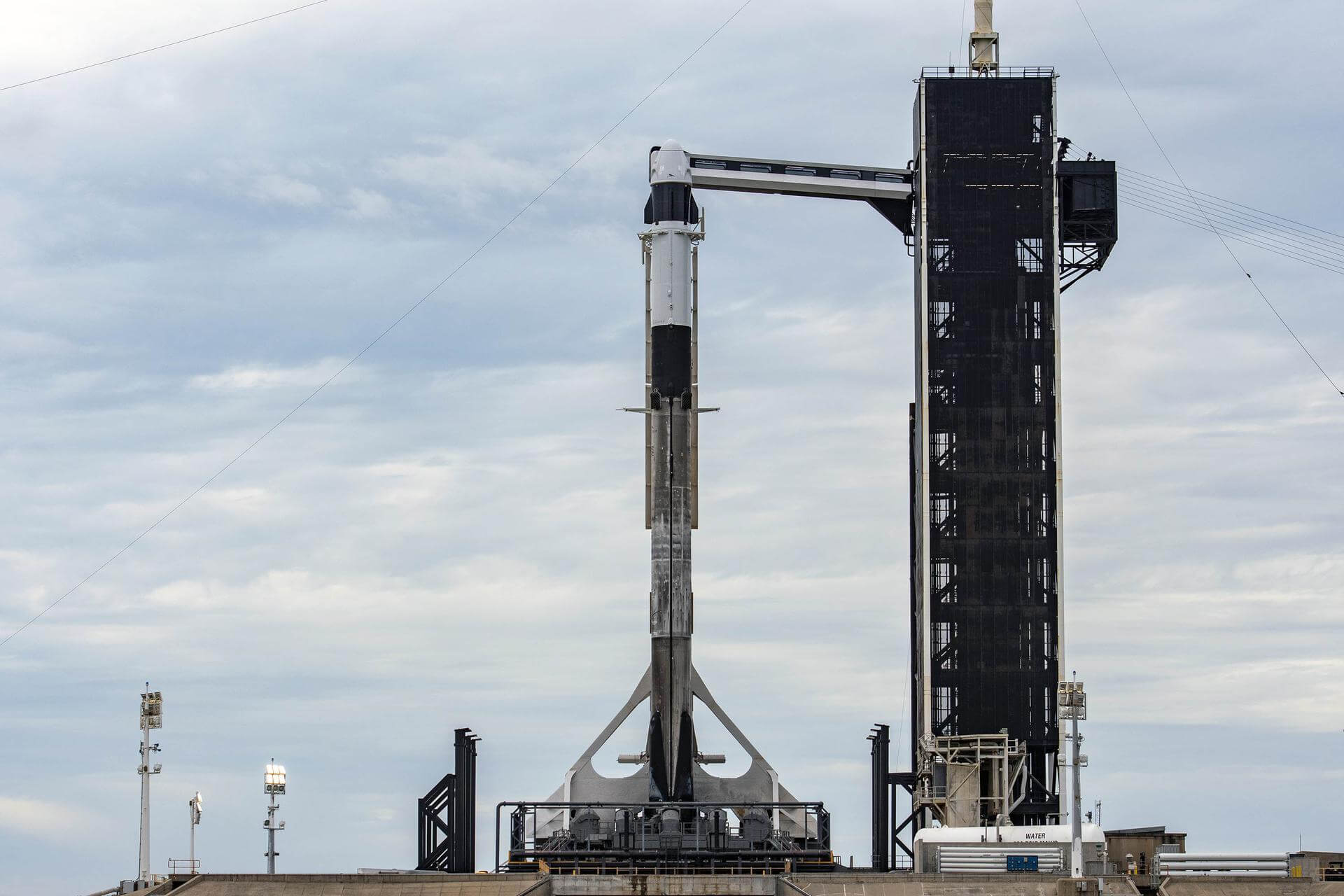
Today's highlights include the certification of ULA's Vulcan rocket for national security missions, developments in nuclear timekeeping for GPS systems, and updates on the Space Force's new warfighting framework.