

X Report 24 Sep 2025
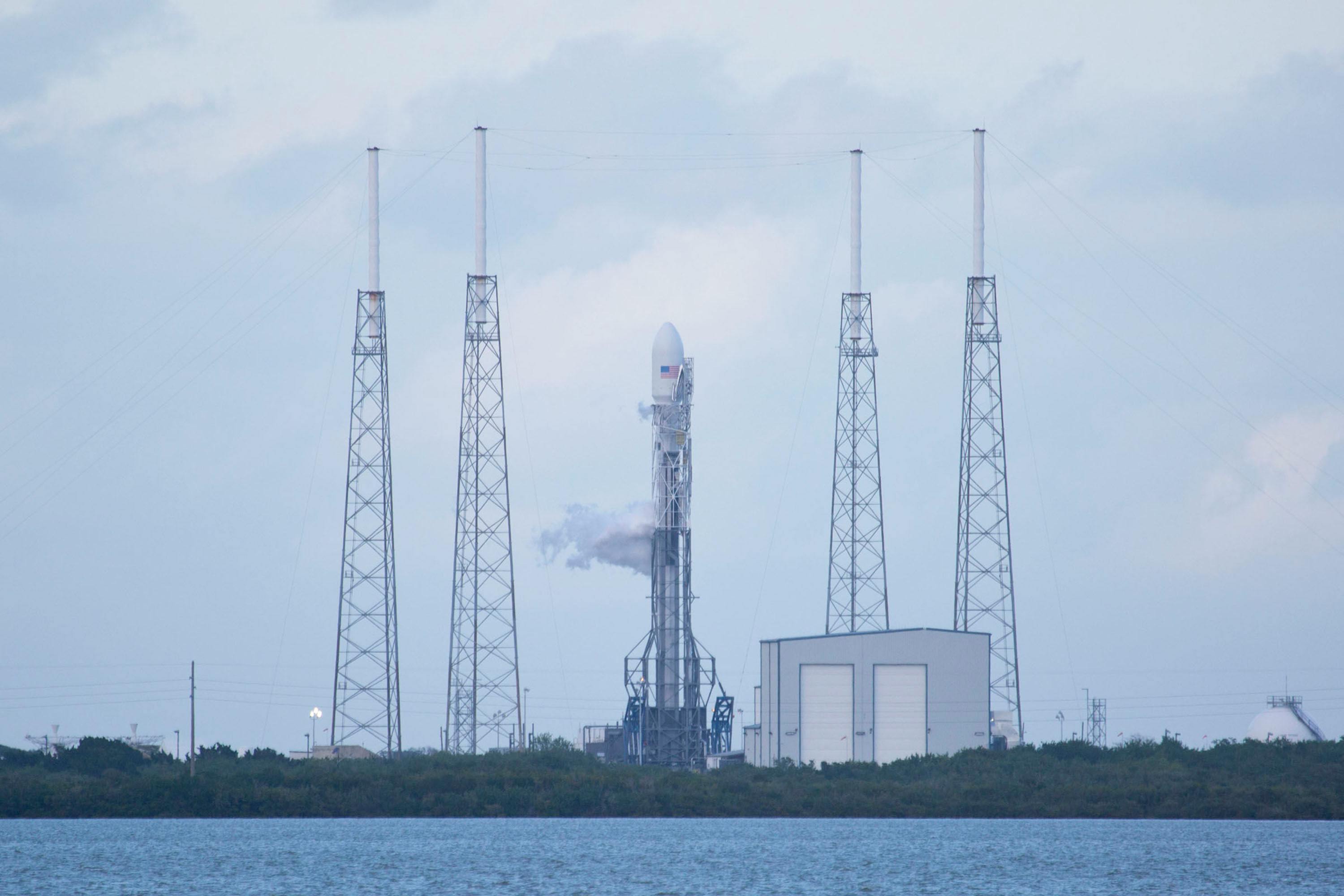
SpaceX prepares for the launch of significant NASA and NOAA missions, while Starship's 11th test flight edges closer.


Launch Date
August 13, 1959
Launch Site
AFWTR
Launch Pad
75-3-4
Launch Vehicle
Thor Agena A
NORAD ID
00018
International Designator
1959-005A
Decay Date
9/28/1959
Name
DISCOVERER 5
Alternative Name
Discoverer 5
Type
Status
Owner
ARPA/CIA
Country
United States
Constellation
N/A
Related Satellites
Major Events
N/A
Apologies, there is no summary for this satellite yet. I am working to generate these for every object in the catalog, but it is going to take time.
Length
1.3
Diameter
1.5
Span
1.3
Dry Mass
140
Launch Mass
140
Shape
Frust
Radar Cross Section
Unknown
Visual Magnitude
Unknown
Color
Unknown
Material Composition
Unknown
Payload
CORONA C-2
Purpose
Unknown
Mission
Unknown
Manufacturer
LMSD
Life Expectancy
Unknown
Bus
CORONA
Configuration
Unknown
Motor
Unknown
Equipment
Unknown
Power System
Unknown
ADCS
Unknown
Transmitter Frequency
Unknown
Learn more about satellites and other related topics.
SpaceX prepares for the launch of significant NASA and NOAA missions, while Starship's 11th test flight edges closer.

Uncover the top companies dominating the satellite industry. From SpaceX to One Web, learn who's leading in space assets. Full list inside.

SpaceX gears up for a series of launches, including Starlink deployments, lunar missions, and updates on the Starship program.

Today's briefing covers strategic military developments including missile defense proposals and board realignments, intertwined with rising space defense exports and autonomous launcher progress.
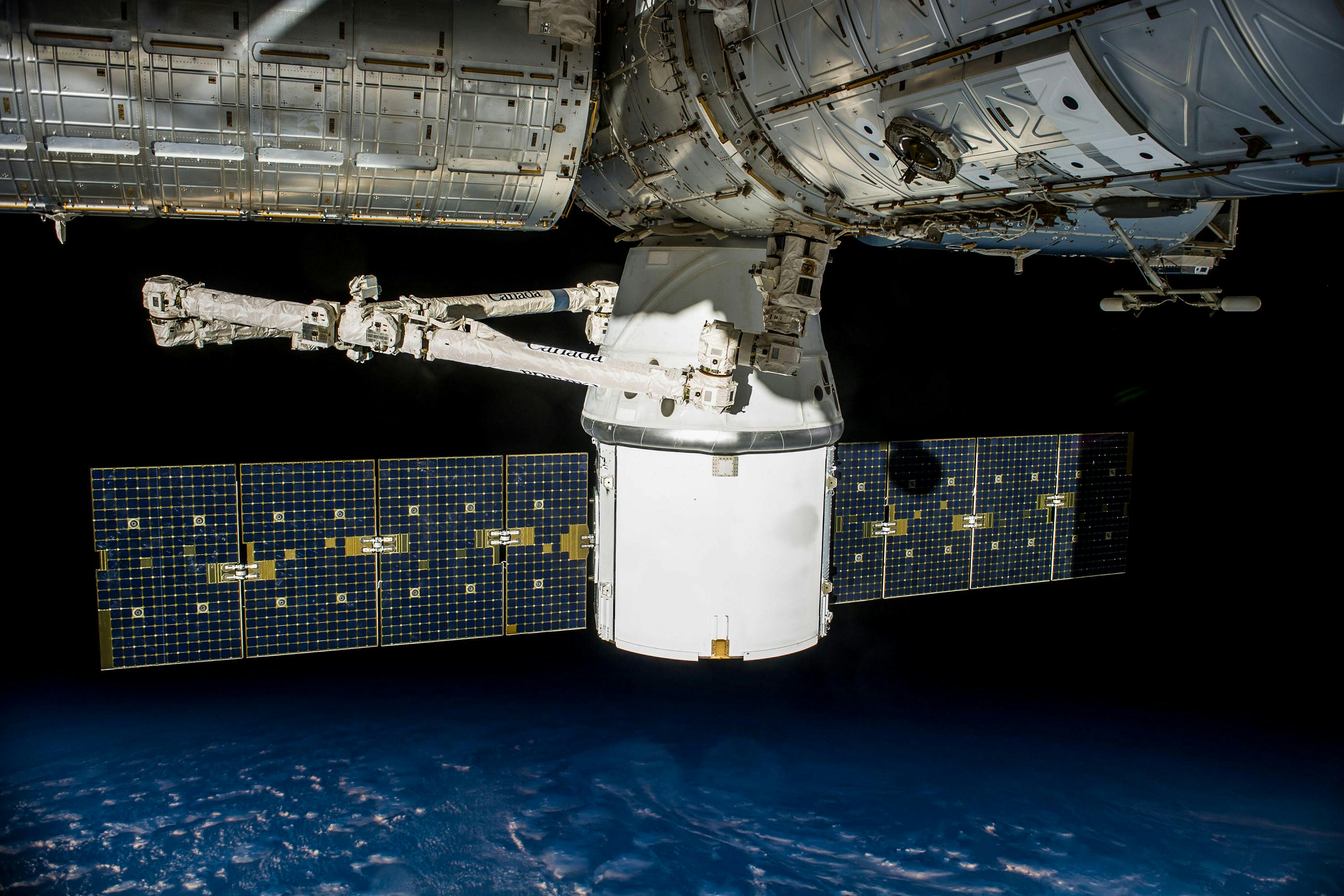
SpaceX makes significant strides with Starship Flight Test 10 approved and updates on the new Starbase pad design.
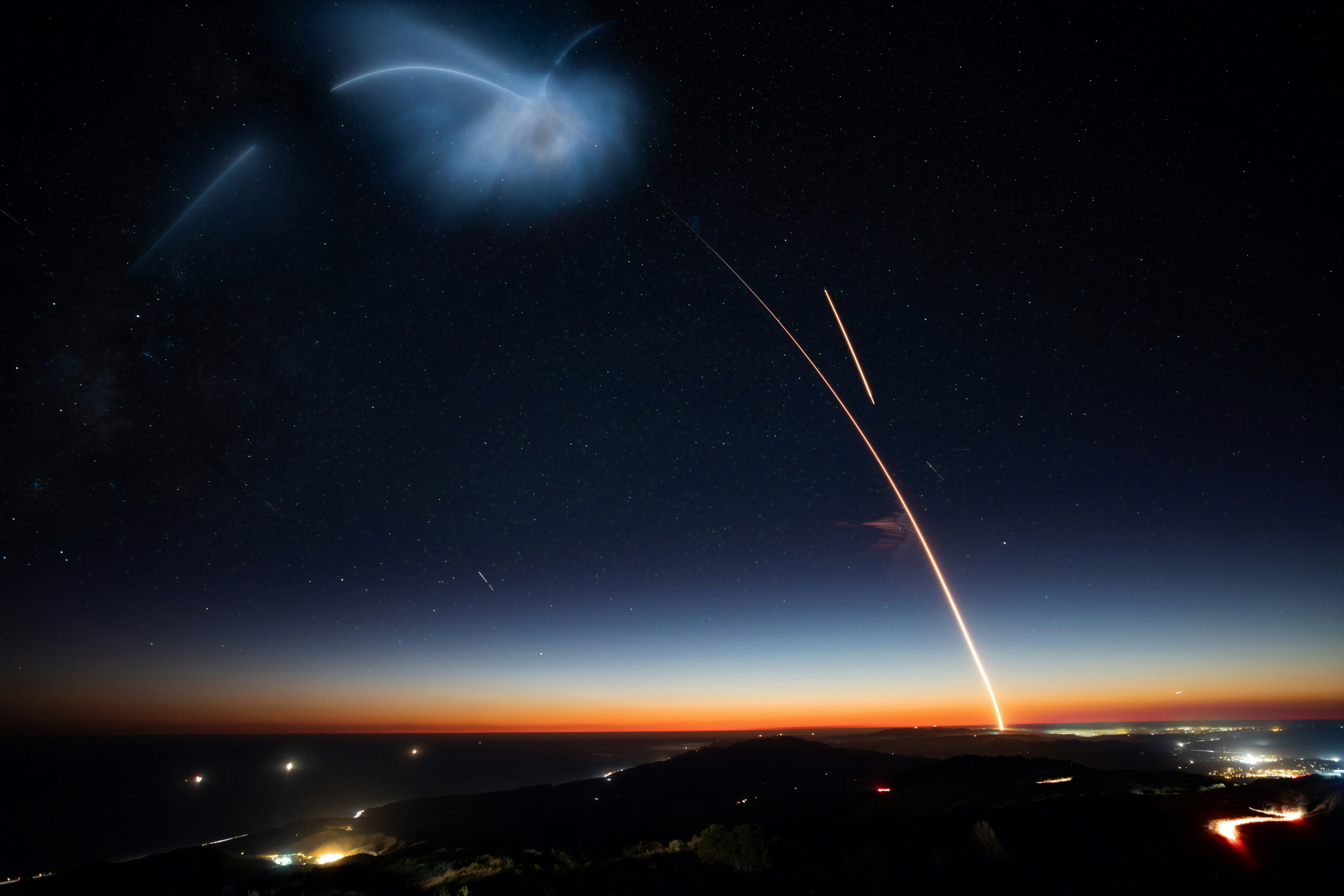
SpaceX ignited all 6 Starship engines for a full minute at Starbase, while a Falcon 9 added 24 more Starlinks from Vandenberg on July 1.

Key developments include Redwire's contract for a US Space Force mission, UK's steps toward its first orbital launch, and a detailed military satellite spotlight.
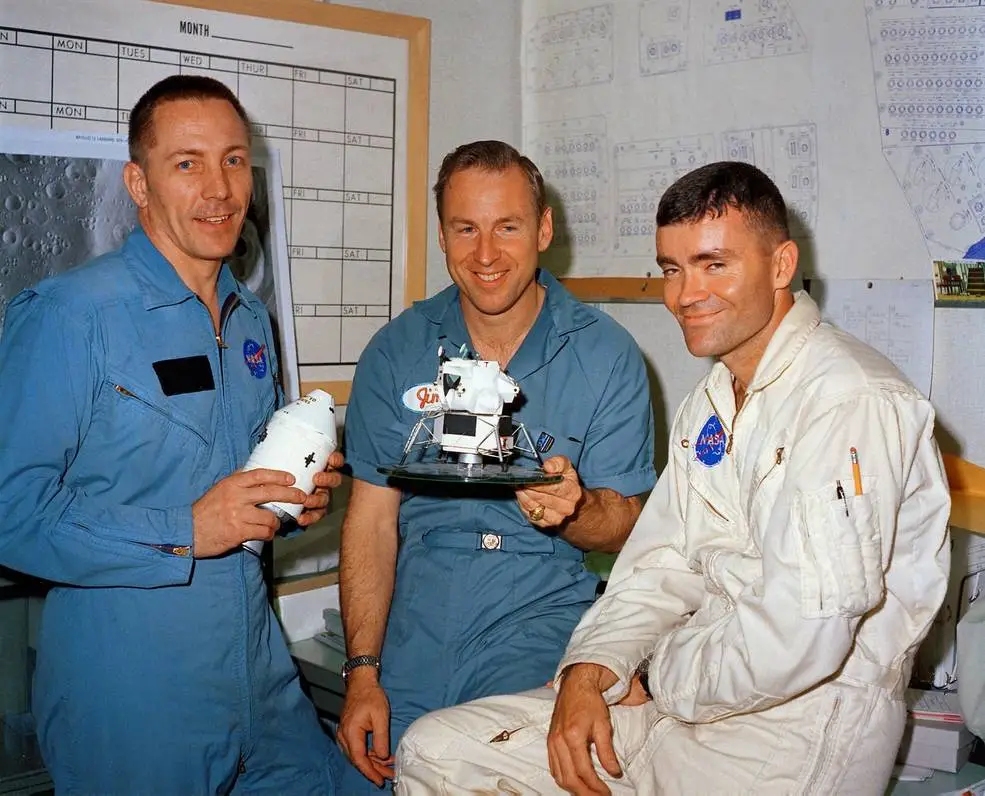
An overlooked thermostat, eight hours of overheating on a Florida launch pad, and 200,000 miles of coasting through deep space. Then Oxygen Tank No. 2 tore itself apart, and three men had to figure out how to come home alive in a spacecraft designed to land on the Moon.