Space Force Terminates GPS OCX Contract; Final GPS III Launches | KeepTrack Space Brief
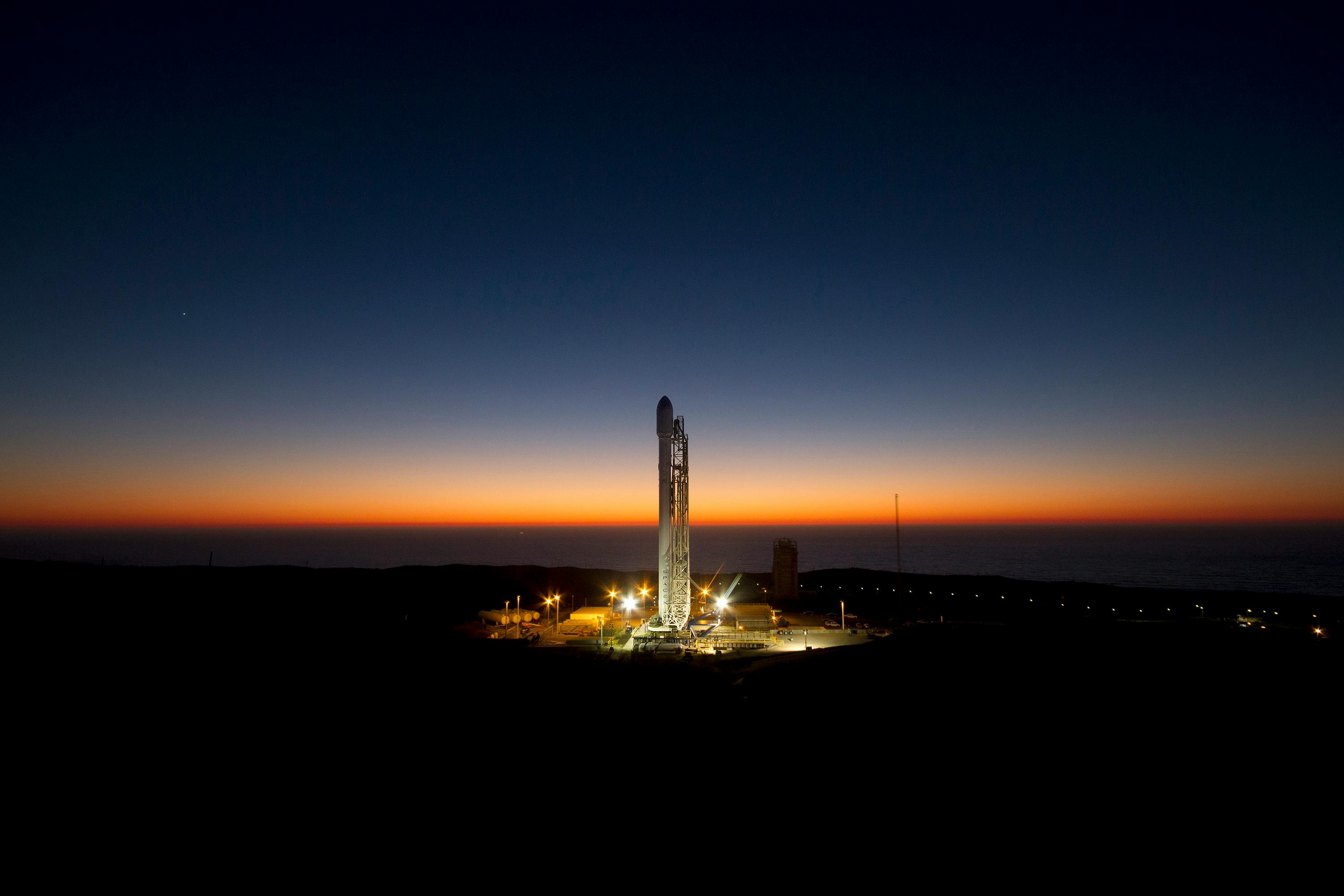
Pentagon cancels RTX's OCX ground control program after testing failures. SpaceX launches final GPS III satellite same day, leaving IIIF transition uncertain.
On April 17, 2026, the U.S. Space Force officially cancelled the Next Generation Operational Control System after sixteen years of development, cost overruns, and testing failures. The $8 billion program was supposed to unlock the military's encrypted GPS signal. Instead, the satellites are flying with capabilities the ground can't command.
The high-frequency slice of the radio spectrum where modern broadband satellites live - narrow beams, fast data, and the inconvenient habit of being absorbed by rain.
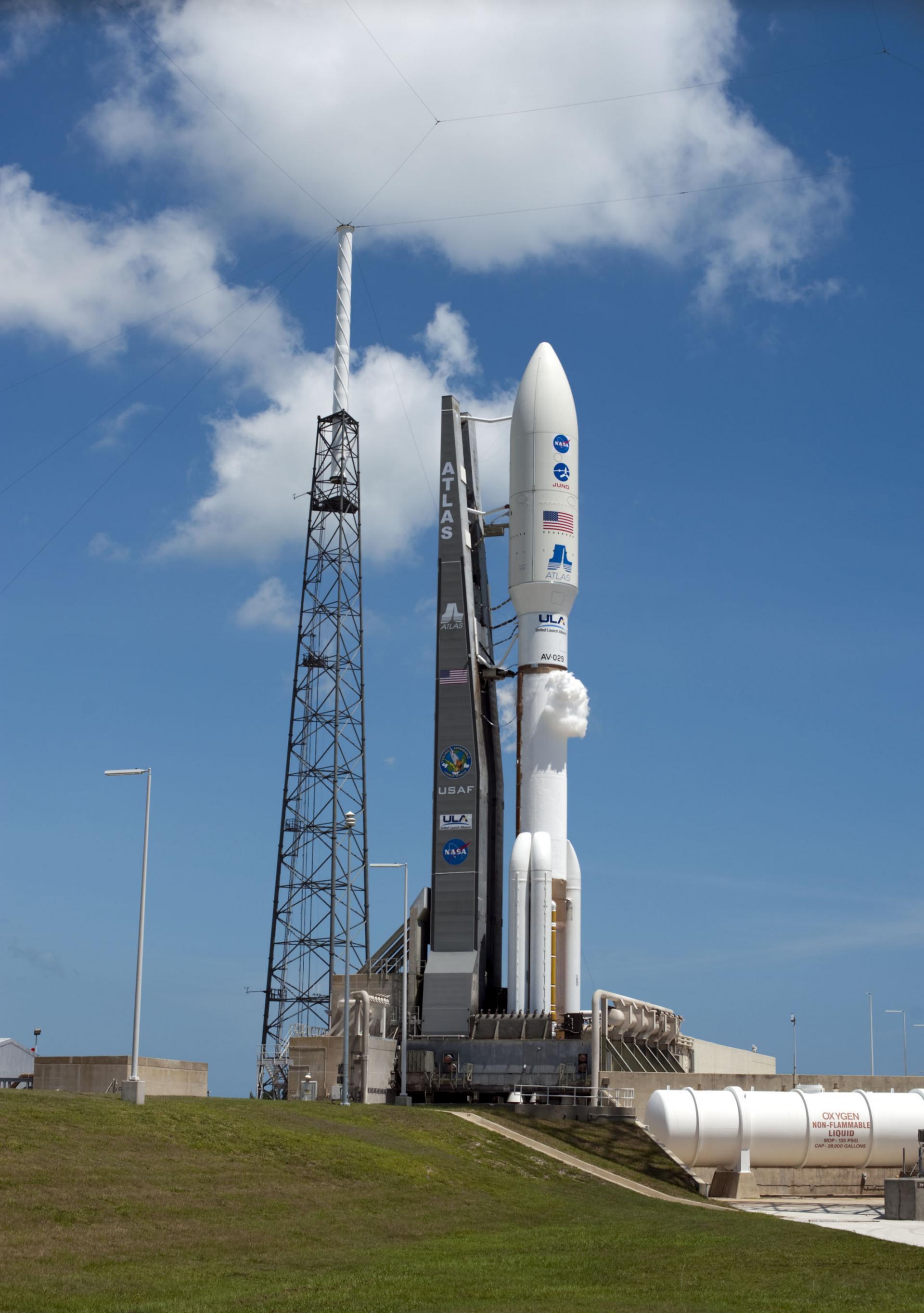
Blue Origin's New Glenn suffered upper-stage malfunction on April 19, stranding AST SpaceMobile's BlueBird 7 in wrong orbit. Satellite declared lost, will deorbit.
On February 10, 2009, an active Iridium communications satellite and a derelict Soviet military spacecraft slammed into each other 789 kilometers above Siberia. The collision produced more than 2,300 pieces of trackable debris that are still up there. Seventeen years later, the Iridium-Cosmos collision remains the event that made space debris a policy problem the world could no longer ignore.
SpaceX attempts its 600th Falcon 9 booster landing during the Starlink 17-22 mission, lofting 25 satellites from Vandenberg SFB on April 19.